
A used-car inspection report is useful only when it relates to the car you are buying and explains what was checked. Before relying on a clean result, verify the vehicle identity, report source, inspection date and any excluded tests. Compare the written findings with the car’s current condition.
Incomplete records, restricted access and faults that were not present during a visit can leave questions unanswered without anyone deliberately concealing them. The aim is to establish the evidence you have and decide which gaps matter before payment.
Confirm the report belongs to this vehicle
- Match the VIN or chassis number: compare the report with the vehicle and registration record. Check the full identifier, not only the model or number plate.
- Check the inspection date and mileage: ask about subsequent driving, repairs or an incident that may have changed the condition.
- Request the complete document: cropped screenshots can omit findings, qualifications or additional pages.
- Verify the issuer independently: use its official contact details rather than relying only on a phone number in a forwarded image. Ask whether the issuer can confirm the report reference, subject to the owner’s permission and privacy requirements.
A logo, stamp or polished PDF is not by itself proof of authenticity. If the issuer cannot confirm a material detail, treat that detail as unverified rather than accusing the seller of forgery.
Read what each result actually means
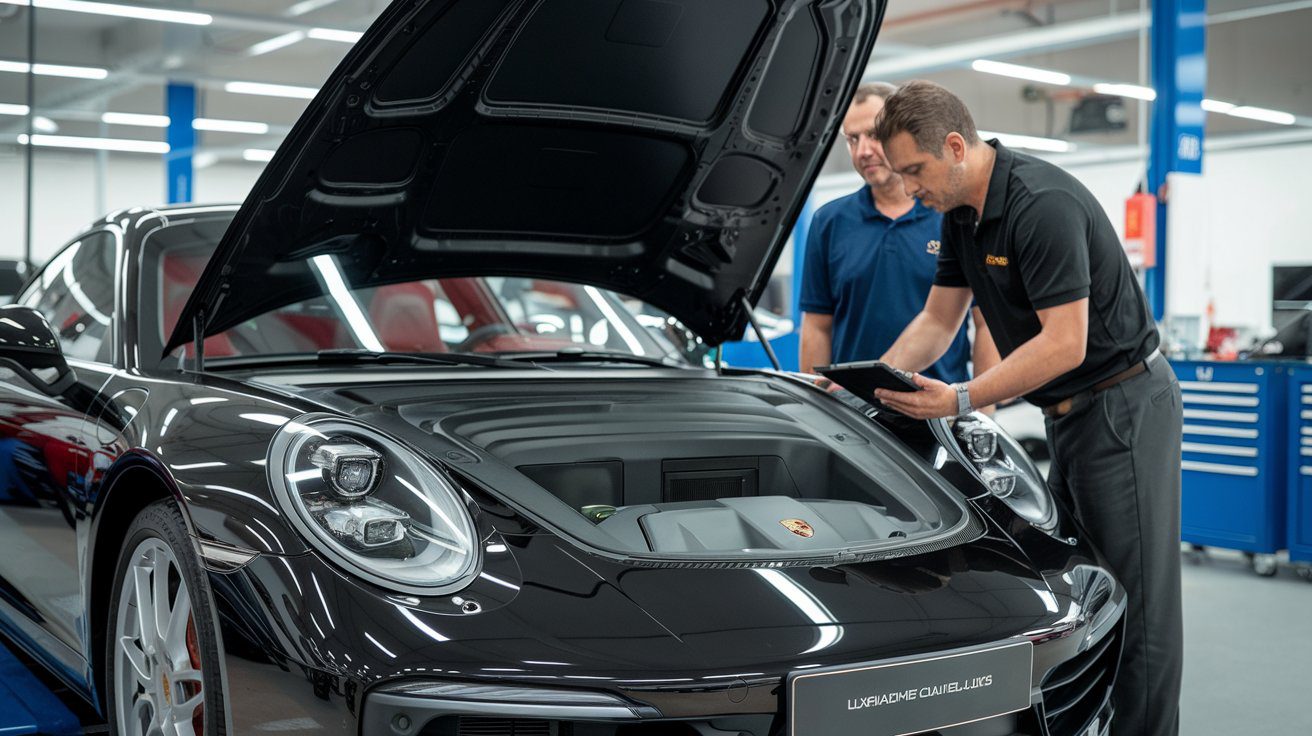
A tick may mean that an item looked satisfactory, operated during a brief check or met a specific measured requirement. These are different levels of evidence. Ask how important items were assessed and whether the report explains the method.
Review the inspection report contents for the scope, photographs, readings and limitations. An item marked “not tested”, “not accessible” or “not applicable” should not be interpreted as a pass.
- Was there a permitted road test, and what conditions were available?
- Was the engine cold at arrival, or already warm?
- Was underbody access available, and were covers left in place?
- Which electronic systems could the scan tool communicate with?
- Were paint readings, battery checks or other requested measurements included?
A recent official vehicle-test pass serves its stated purpose. It does not replace a private assessment of the purchase concerns or establish a complete accident and maintenance history.
Compare reassuring claims with supporting evidence
Ask what the seller means by “accident-free”, “full service history” or “all original”. Save the listing and written answers. Then compare those claims with available invoices, history records and current findings.
Repainting can follow scratches or cosmetic work. New tyres may be ordinary maintenance. A handwritten invoice may be genuine. Conversely, a clean database result may leave unreported repairs unknown. The useful question is whether the available evidence explains the claim.
When records conflict, check dates, units, transcription errors and any replacement instrument cluster before drawing a conclusion. Our accident-history guide explains why record coverage differs.
Understand what a clean scan cannot establish
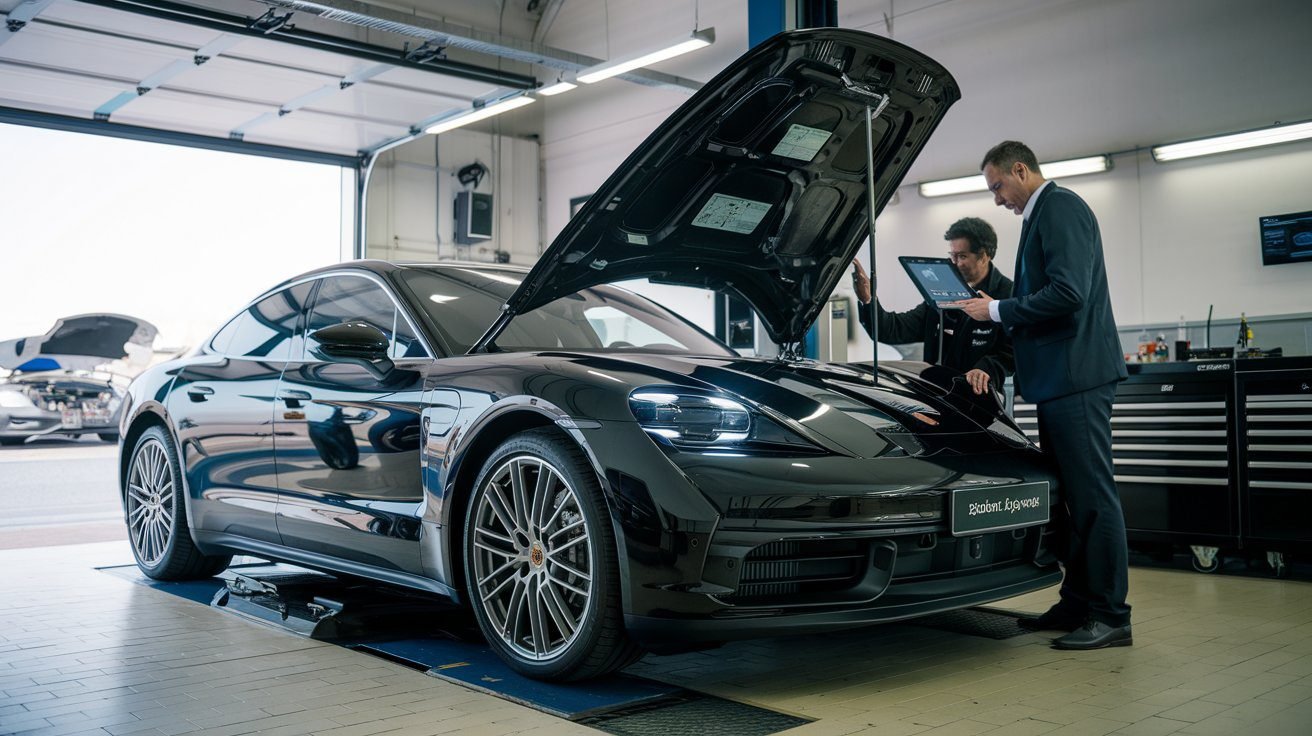
A diagnostic scan may access current, stored or pending faults and other supported data, depending on the vehicle and equipment. It is incorrect to assume that every scanner reads only active faults, or that one scan retrieves every past event.
No codes does not rule out mechanical wear, inaccessible systems or an intermittent problem. Readiness information or other data may justify questions about recent resets, but a reset can also follow legitimate work. It does not identify who performed it or prove an intention to mislead.
Keep the original findings. Ask the inspector to explain a discrepancy and recommend a targeted check; do not clear codes simply to obtain a cleaner report. Computer diagnostics can investigate a concern, with coverage agreed for the specific vehicle.
Look more closely when access changes the answer
A warm engine can prevent observation of cold-start behaviour. Fresh underbody coating can obscure the surface beneath it. A restricted viewing can leave road behaviour untested. Each is a limitation to record, rather than automatic evidence of a concealed defect.
Request reasonable access with the seller’s permission. If a workshop assessment or further test is important to your decision, agree it before purchasing. Do not remove trim, disturb safety systems or get underneath an inadequately supported vehicle yourself.
Decide what needs another inspection
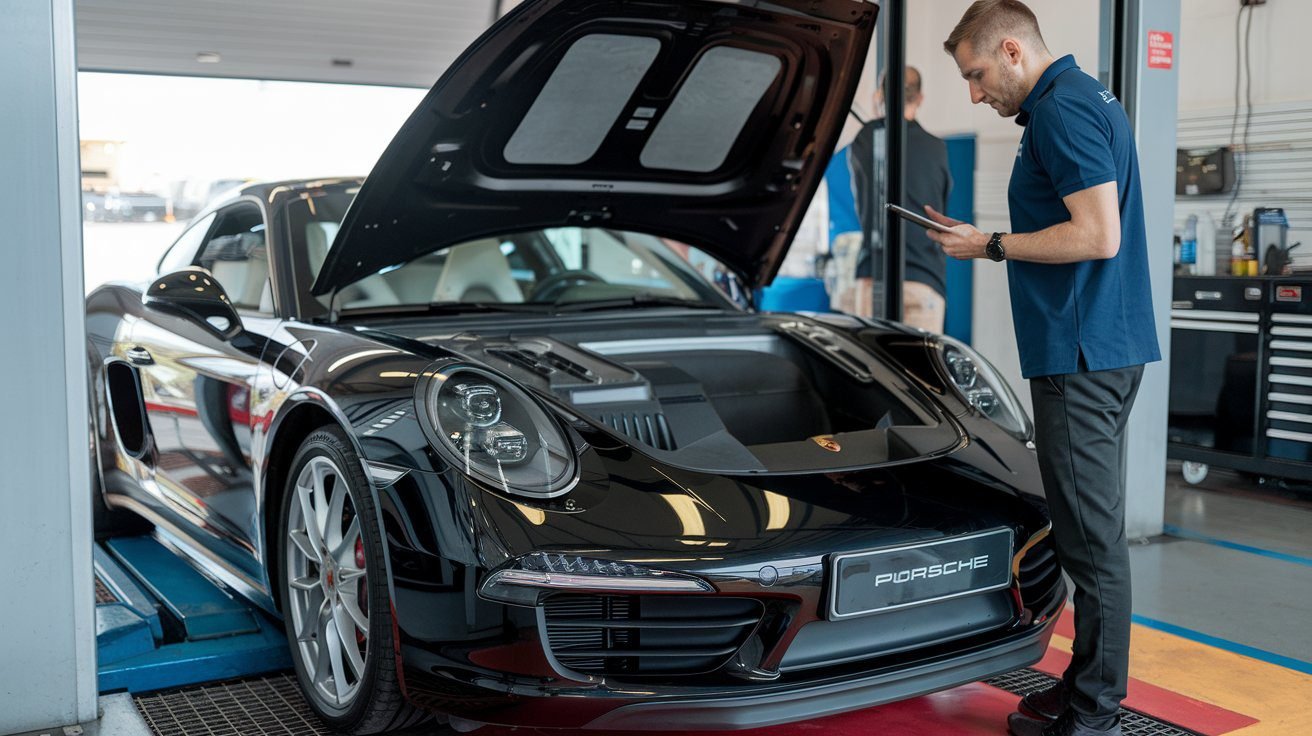
A new independent assessment is particularly useful when the existing report is old, incomplete, for another vehicle, impossible to verify, or does not address a significant concern. Explain the concern when booking so the provider can confirm whether it can assess it.
For example, an unexplained structural repair may need specialist measurements. A reported transmission symptom may need diagnosis beyond a short road test. A battery-capacity question on an EV may require a model-specific procedure rather than a basic scan.
If the seller declines access, ask why and consider whether you can accept the remaining uncertainty. You can pause the purchase without alleging dishonesty. A report should help you judge condition and risk, not create pressure to buy.

Keep a clear record of the decision
Separate confirmed findings, suspected causes and untested areas. Obtain repair estimates for issues that affect your budget, and keep any agreed repairs or inspection conditions in writing. Neither a report nor a seller’s reassurance guarantees future reliability.
Use the used-car viewing checklist to prepare your questions. If the findings and limitations are acceptable, the inspection can support a purchase; if a material question remains unresolved, arrange the next check before committing.