
Before buying a used car in Dubai, match the vehicle to its documents, compare the available mileage and service records, inspect its condition, and arrange an independent assessment before committing to the purchase. A clean history search, a recent RTA pass or a short test drive answers only part of that question.
Use this checklist to decide what you can check at the viewing, what needs an inspector, and which unanswered questions should delay payment. Keep a copy of the listing and the seller’s written answers so you can compare them with the vehicle and inspection report.
Ask these questions before arranging the viewing
- Which vehicle is being sold? Request the VIN or chassis number, model year, displayed mileage and original market specification.
- Who can authorise the sale and inspection? Establish the seller’s relationship to the registered owner and whether an independent inspector can access the car.
- What records are available? Ask for service invoices, previous inspection reports and documents for disclosed repairs or imports. Personal information can be redacted while keeping vehicle details visible.
- Has it had accident, water or structural damage? Ask directly and keep the answer. A physical inspection and available records can help assess that answer, but neither guarantees a complete history.
- Can you see a cold start and have a permitted road test? Agree access, location and timing. If either is unavailable, the report should state the limitation.
- What happens if the inspection finds a serious issue? Agree any inspection condition and deposit terms in writing before paying.
If the seller declines independent access, you do not have to assume misconduct. You do need to decide whether you are comfortable buying without that evidence. Our pre-purchase inspection service explains the checks and access to agree when booking.

Match the identity and records before inspecting the condition
Compare the VIN on the vehicle with the registration document, available service invoices and any report you are using. VIN locations differ by model; use the manufacturer’s instructions to locate them. An unexplained mismatch, damaged identifier or document that relates to another car needs resolution before you proceed.
Read the dates and mileage entries in order. Check whether they use kilometres or miles, and ask for documentation of a replacement instrument cluster. Missing records leave a gap; they do not by themselves prove neglect or mileage tampering. The NHTSA odometer guidance recommends comparing readings with maintenance records and considering wear alongside the paperwork.
For a car previously used abroad, request the available origin-market documents as well as its UAE records. Confirm the actual specification through the manufacturer or its authorised representative where necessary. A GCC or imported label alone does not establish current condition, previous damage or suitability for your needs.
Use our UAE accident-history guide to understand the different record sources and their limits. No result from a particular database means no matching information was returned by that source, not that the vehicle has never been repaired.
Keep the RTA test separate from the buying decision
Check the purpose, date and result on any official test document and confirm the current requirements for your intended transaction through RTA’s vehicle technical inspection service. Do not assume an old certificate remains valid for a new transfer or registration.
An official test and a private pre-purchase inspection serve different purposes. The RTA test does not replace an assessment of repair history, maintenance needs, accessible mechanical condition and the specific concerns you have as a buyer. Inspector.ae’s private report is not an official RTA certificate.
Walk around the body in good light
Look along the panels from several angles. Note differences in colour or texture, overspray, uneven gaps, damaged glass, corrosion and signs of previous work. Ask the seller for the explanation and any repair records.
- Panel gaps and fasteners: an inconsistency can justify closer inspection; it does not prove a major collision on its own.
- Paint readings: a suitable gauge can help compare compatible panels. Material, coatings and previous cosmetic repairs affect interpretation. A single reading does not establish accident severity.
- Roof, pillars and sills: unexplained repairs in structural areas need specialist assessment. Do not judge structural alignment using a handheld ruler or an arbitrary millimetre difference.
- Tyres and wheels: look for visible damage, uneven wear and mismatched specifications. Ask the inspector to assess their condition and investigate unusual wear rather than guessing its cause.
A repainted panel may reflect cosmetic work. The useful questions are what was repaired, why, how it was repaired and whether further assessment is needed. Our body and paint inspection guide explains that distinction.

Check the cabin, equipment and signs of water entry
Operate the equipment you expect to use: windows, mirrors, locks, lights, infotainment, parking aids and air conditioning. Note anything that does not work, behaves intermittently or cannot be tested. Check that the available keys operate the car.
Compare seat, steering-wheel and pedal wear with the records, while allowing for differences in use, storage and replaced trim. Wear is a reason to ask questions, not a reliable way to calculate mileage.
Look for damp carpets, staining, unusual odours and visible corrosion in accessible areas. These may need investigation for a local leak or previous water exposure. A freshly cleaned cabin, perfume or a sagging headliner does not by itself prove flood damage.
Check warning-light behaviour against the vehicle’s manual. Unusual airbag or seat-belt warnings, unexplained dashboard repairs or damaged restraints warrant assessment. Do not disconnect airbag wiring, probe its connectors or remove covers yourself.
For the AC, record outside conditions, airflow, cooling consistency and behaviour at idle and during a permitted drive. Avoid a universal rule that every cabin must cool by a fixed temperature within a few minutes; diagnosis depends on the vehicle and test conditions.
Inspect the engine bay safely
With permission, observe the accessible engine bay for visible leaks, damaged hoses, loose wiring and signs of previous work. Keep hands, clothing and tools away from belts, fans and hot components. Do not remove a radiator or coolant-reservoir cap while the engine is running or the cooling system is hot. Follow the vehicle’s own manual; Ford’s coolant precautions explain the risk from pressurised hot coolant.
If a cold start is available, note starting behaviour, unusual noise, warning messages and persistent exhaust smoke. Tell the inspector what you observed. Smoke colour, residue beneath an oil cap or an uneven idle is not enough on its own to confirm a failed head gasket, worn engine or particular repair bill.
Compression, leak-down, cooling-pressure and other targeted tests may help investigate a concern, but they are separate procedures requiring appropriate equipment, permission and access. Confirm whether they are included or separately quoted. A normal visual inspection does not reveal every internal engine condition.

Agree underbody access and diagnostic coverage
A mobile visit can assess accessible areas, but it does not automatically provide the same access as a workshop lift. Ask how the underside will be checked, whether protective panels remain fitted and what cannot be seen. Never get under a vehicle supported only by a jack.
Where access permits, an inspector can assess visible leaks, suspension and steering components, underbody corrosion and signs of previous repairs. If alignment or structural damage is suspected, further measurements may be needed before reaching a conclusion.
A diagnostic scan should identify which systems were accessible, relevant fault codes and any further tests recommended. A code describes a detected condition; it does not necessarily identify the failed part. Equally, no codes does not establish that the vehicle has no faults. Do not clear codes simply to make the report look clean.
For an electric or hybrid vehicle, agree the exact high-voltage and battery information available for that model. A basic scan or displayed range is not a universal battery-capacity test. Do not handle high-voltage components yourself.
Use a safe, permitted road test
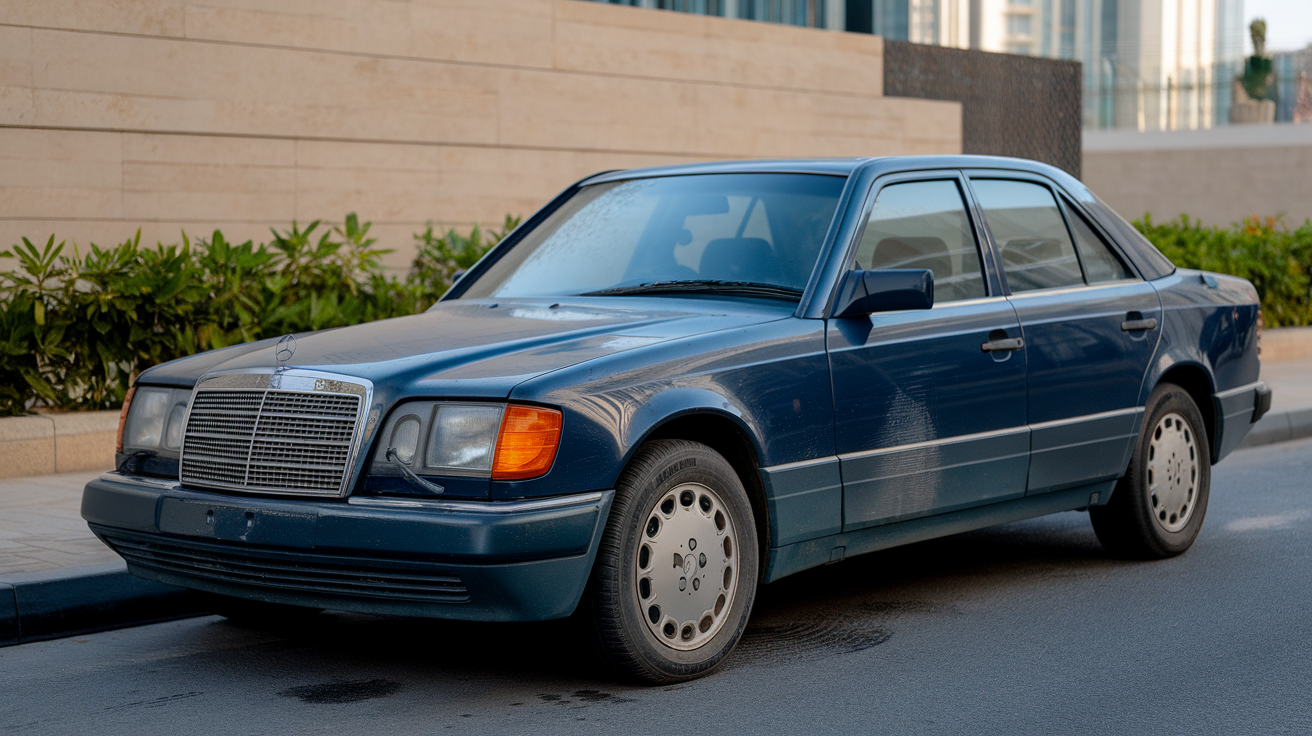
Before driving, confirm the seller’s permission, applicable licence and insurance arrangements, and that the car appears safe to use. Stop if there is a serious warning, unsafe braking or another condition that makes continued driving inappropriate.
On a suitable route within speed limits, note starting and stopping behaviour, gear changes, steering response, vibration, unusual noises and AC performance. Do not use abrupt manoeuvres, hard braking in traffic or an arbitrary high-speed target to test the car.
Describe a symptom accurately rather than diagnosing it from the driver’s seat. A vibration, delayed shift or steering pull can have several causes. Ask what follow-up check would distinguish them, what it costs and whether it should happen before purchase.
If a road test is unavailable, its absence should be recorded. A stationary inspection cannot confirm how the car behaves in every driving condition.
Read the report before deciding on price
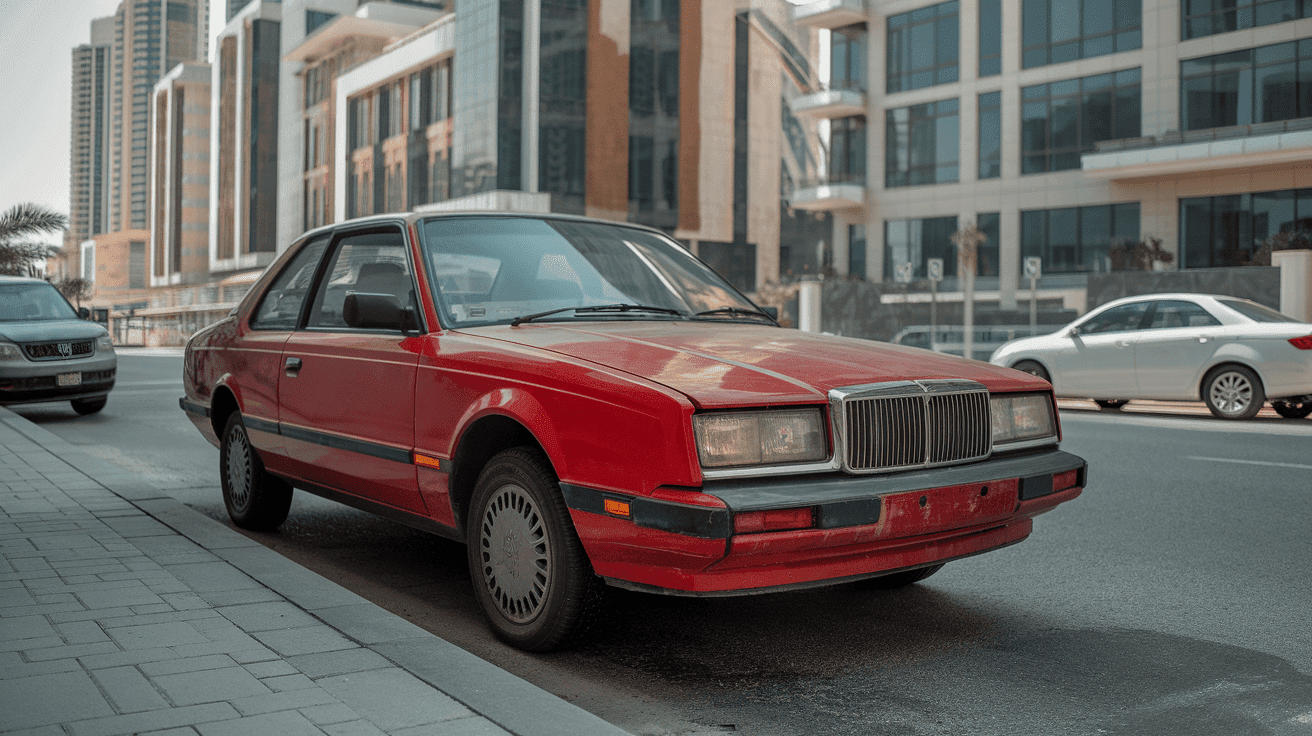
The useful output is a vehicle-specific record of findings, evidence and limitations. Check that the inspection report identifies the correct car and explains the following:
- What was checked: the agreed package, accessible areas, diagnostic systems and any road test.
- What was found: clear descriptions and relevant photographs or readings.
- What remains uncertain: inaccessible components, missing records, untested functions and further checks.
- What needs attention: distinguish urgent safety concerns, maintenance, cosmetic work and issues that still need diagnosis.
Get a written repair estimate where a finding affects your budget. Compare the purchase price plus likely work and unresolved risk with other suitable cars. A finding is not a guaranteed discount, and a low estimate is not a reason to ignore a significant safety or structural concern.
When should you pause the purchase?
Pause for an unresolved identity mismatch, a material discrepancy in the records, a serious safety concern, uncertain structural repairs or denied access to a check you consider essential. Ask for evidence or the necessary assessment before proceeding. There is no sensible rule that three minor defects make a car unacceptable while one serious defect is acceptable; severity and uncertainty matter more than the count.
A documented repair or routine maintenance item need not end the purchase. If the work is understood, the vehicle is suitable and the total cost makes sense, you can make an informed decision. Keep agreed repairs and purchase conditions in writing.

Arrange the right inspection for the car
Send the make, model, year, location and any concerns before booking. Ask for the agreed scope, access requirements, price, tax treatment and report timing. Compare our mobile inspection packages with a pre-purchase inspection so the chosen checks match your decision.
Call 050 608 7150 to discuss the vehicle, or send its details on WhatsApp. Bring the seller’s claims and available records so they can be considered alongside the physical findings.