Skip to homepage content
Inspector.ae in Dubai

Car inspection in Dubai with clear findings

Inspector helps buyers, sellers and owners assess visible condition, road behaviour and available electronic data through an agreed workshop or mobile inspection. Findings and limitations are explained so you can decide whether to buy, negotiate, repair or investigate further. No inspection can guarantee future reliability or reveal every concealed fault.

  • Buying, selling or condition review
  • Al Quoz or mobile by arrangement
  • Mechanical, body and scan context
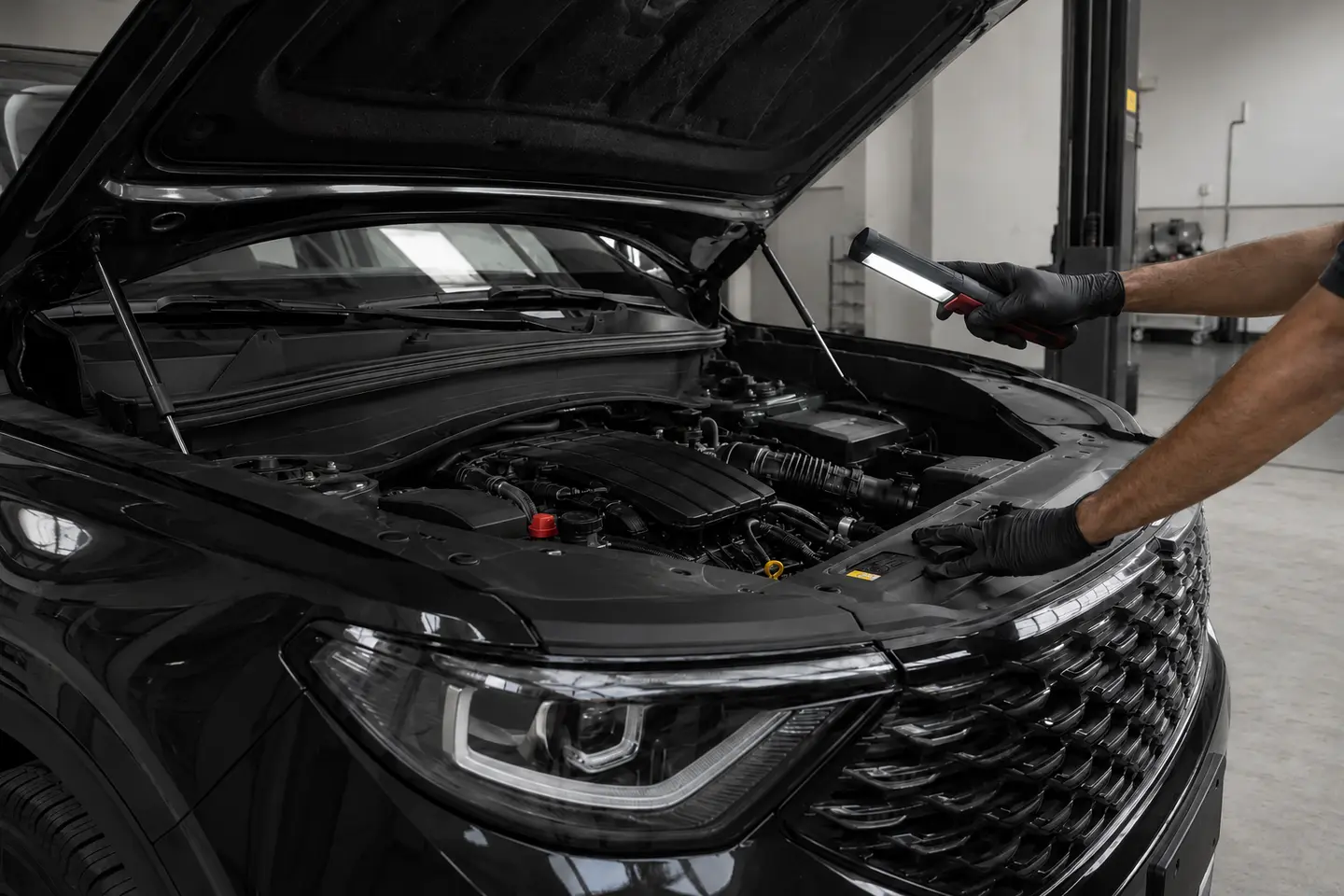
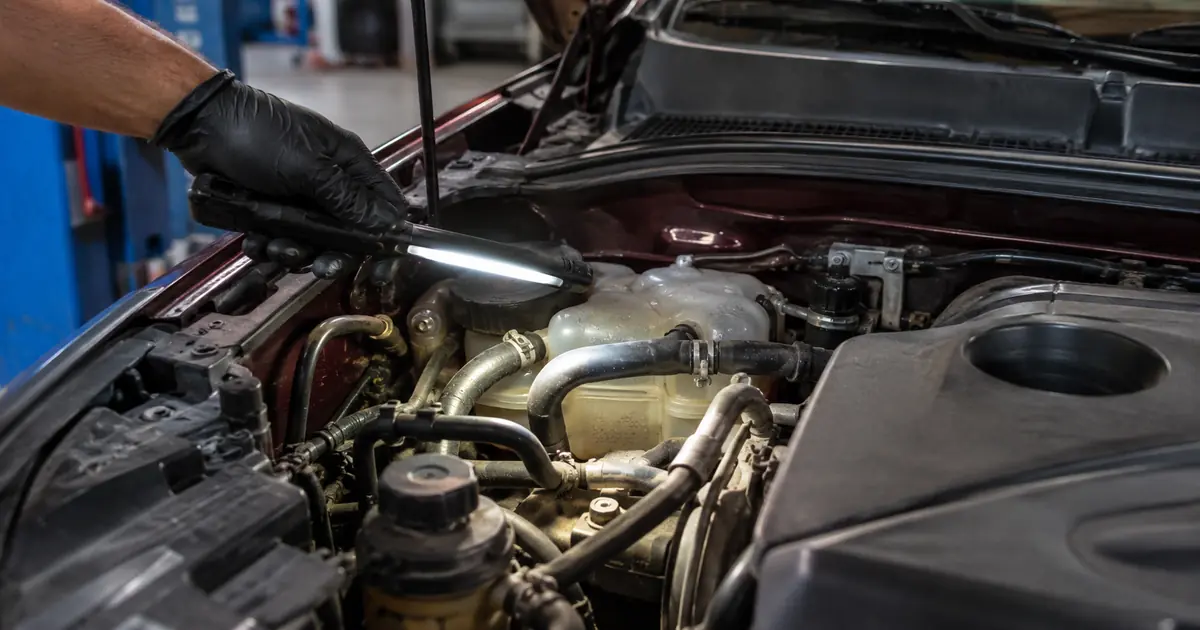
Car inspection activity in an open engine bay in Dubai
Illustrative inspection activity. This image is not presented as a real Inspector employee, facility or customer vehicle.
Decision support

Which inspection do you need?

Start with the decision you need to make. A broad pre-purchase inspection, focused diagnostic investigation and mobile condition check solve different problems. Confirm the vehicle, concern and required evidence before selecting a package.

Buying a used car

Pre-purchase inspection

For a buyer assessing overall visible, mechanical and electronic condition before committing. You receive the agreed findings and limitations. It reduces uncertainty but cannot guarantee future reliability or reveal every concealed defect.

Comparing general condition

Multi-point inspection

For an owner, buyer or seller needing a structured overview of several systems. The output organises included visual, functional and electronic observations. The checklist depends on package and access; a point count does not define depth.

Meeting the seller

Mobile car inspection

For a vehicle at a dealer, seller or suitable Dubai site. You receive findings from methods possible there. Safe space, permission, light, road-test and underbody access may limit workshop-style checks.

Warning light or symptom

Computer diagnostics

For a driver investigating a warning, symptom or electronic fault. Scan evidence can guide the next test, but a code does not automatically prove one part failed and a clear scan cannot exclude mechanical defects.

Previous repair concern

Accident-damage inspection

For visible signs of repainting, panel work, impact or repair. Findings may cover finish, alignment, fasteners, seams, paint-depth patterns and accessible structure. No single reading proves a complete accident history.

Selling or negotiating

Condition and valuation support

For a seller preparing a car or a buyer considering value. Inspection findings can inform negotiation while a separate valuation considers market factors. Neither determines the transaction or guarantees a resale price.

After repair or before warranty expiry

Targeted re-check

For an owner reviewing specific work or a known symptom. Provide prior findings and repair records. The re-check covers the agreed area at that time, not unrelated systems or the repairer’s warranty.

Special vehicle or fleet use

Scope confirmation first

Luxury, performance, classic, fleet, hybrid and electric vehicles may need model-specific access or software. Luxury and classic information is published; EV, hybrid and commercial capability requires vehicle-specific confirmation.

A clearer inspection brief

About Inspector

Inspector.ae is a Dubai vehicle-inspection service for people who need evidence before buying, selling, maintaining or investigating a vehicle.

What inspection can establish

It can document conditions that are visible, measurable, functional or electronically available during the agreed appointment. It can also identify patterns that justify a specialist test.

What it cannot guarantee

It cannot promise future reliability, expose every concealed or intermittent defect, certify legal roadworthiness, or replace dismantling and manufacturer-level tests that are outside the agreed scope.

A vehicle can look convincing in an advert and still need careful interpretation. Inspector exists to turn a broad request such as “check this car” into a defined scope: what decision the customer faces, which systems are relevant, where the car can be examined, what access is available and which limitations must remain visible in the result.

An inspection commissioned separately from the seller’s description gives the customer another source of information. That does not mean treating every seller as unreliable or every imperfection as a reason to walk away. It means recording observable facts, distinguishing normal wear from matters that may affect safety, repair exposure or value, and explaining where the evidence is incomplete.

Inspector publishes services for Dubai, with Al Quoz referenced as its service location and mobile inspection available by arrangement. The site does not currently publish a complete street address or opening-hours record that can be independently reconciled across the footer, contact page and structured data. Customers should therefore confirm the exact meeting point, access and appointment time before travelling.

This is a private vehicle-condition service. It is not described here as an RTA testing centre, government inspection authority or issuer of a vehicle technical inspection certificate. If your requirement is registration, renewal, export or another official roadworthiness process, use the relevant approved channel. A private inspection may help you understand a vehicle, but it does not replace an official test.

A useful inspection does not turn a complex vehicle into one score. It gives the customer traceable observations, priorities, limitations and sensible next steps.

Inspector’s vehicle inspection approach is built around clear observations, defined limitations and practical next steps, with more background on the business behind the service.

Inspection output

What you receive

The chooser above helps you select the right inspection. This section explains what the appointment should leave you with: a structured condition record, supporting evidence, diagnostic context, clear limitations and practical next steps. The exact mix changes with the vehicle, location and agreed scope, but the evidence should remain understandable.

Your inspection record

Evidence organised for a decision

VVisual evidence MMeasured evidence EElectronic evidence DDynamic evidence
Condition baseline

Vehicle identity and starting condition

The inspection record should establish the vehicle presented, visible identity information, odometer display, warnings, keys, supplied records and the starting condition that gives later findings context. Broad buyer-focused work can then build from body, mechanical, functional and electronic observations instead of treating each item in isolation.

Body evidence

Repair, paint and safety-related observations

Visible finish differences, paint-depth patterns, panel alignment, overspray, fasteners, seams, glass or lamp consistency and accessible structure can be recorded alongside relevant tire, brake, restraint, lighting and damage observations. Evidence should show what was seen and measured without turning one reading into a complete accident-history claim.

Mechanical context

Operating condition across major systems

Engine, cooling, transmission, steering, suspension, brakes, tires, air conditioning and convenience systems are interpreted through the checks the scope and access support. Visible leaks, fluid condition, wear, noises, warning states and operating behaviour can be connected so the customer sees patterns rather than a disconnected checklist.

Electronic context

Diagnostic information with physical meaning

Where compatible coverage is included, supported module communication, active or stored faults, selected live data and warning states can add electronic context. A useful result explains what the data points toward, what still needs physical or electrical testing and why a fault code alone does not prove that one component has failed.

Common contextsComputer diagnostics
Engine, transmission, brake, airbag, steering and electrical concerns
Scope record

Access, exclusions and specialist boundaries

The result should show what could not be completed as clearly as what could. Lift availability, road-test permission, mobile-site conditions, diagnostic coverage, non-removal limits and vehicle-specific requirements can change confidence. Luxury, performance, classic, salvage, hybrid, electric and insurance-related contexts may need additional access or specialist confirmation.

Decision support

Report, priorities and sensible next steps

Findings should be organised with their evidence, significance and limitations so the customer can decide what happens next. The result may support a purchase, negotiation, repair plan, maintenance decision, monitoring or deeper diagnosis. Technical condition and market value remain separate questions, so valuation should be treated as a distinct output when required.

Evidence in practiceMeasurements and scan data become useful only when they are interpreted with the rest of the vehicle.
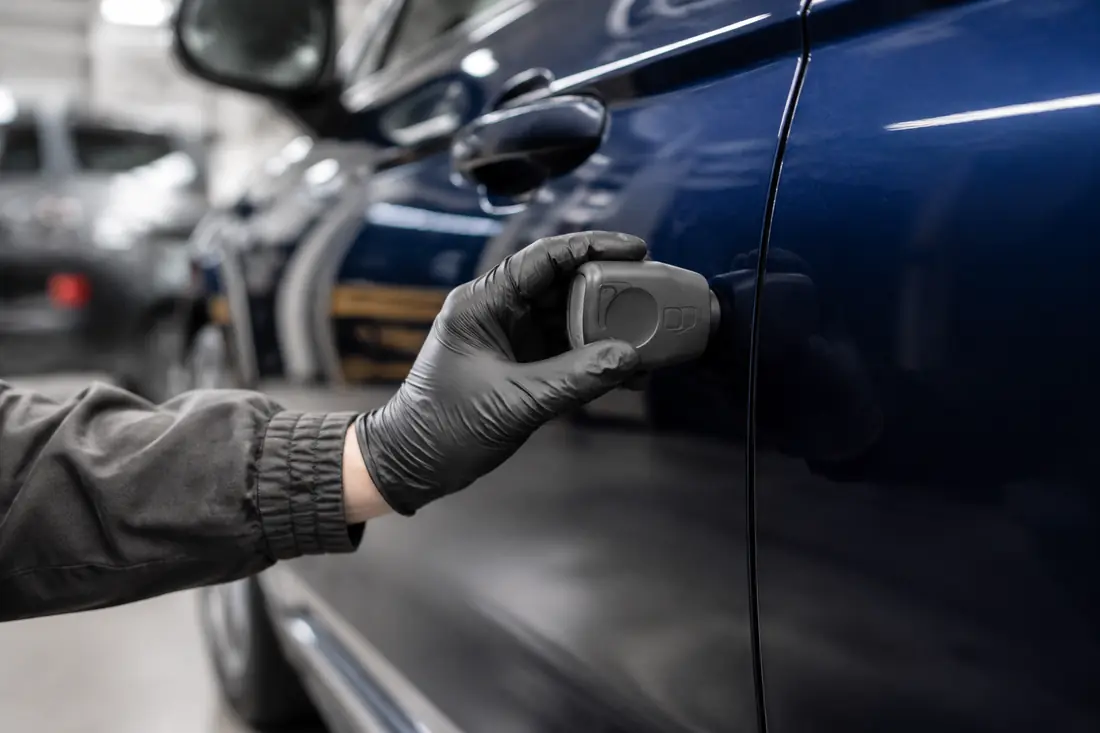
Paint-depth gauge being applied to a car body panel
Body evidencePaint depth is compared across panels alongside finish, alignment and other repair indicators.
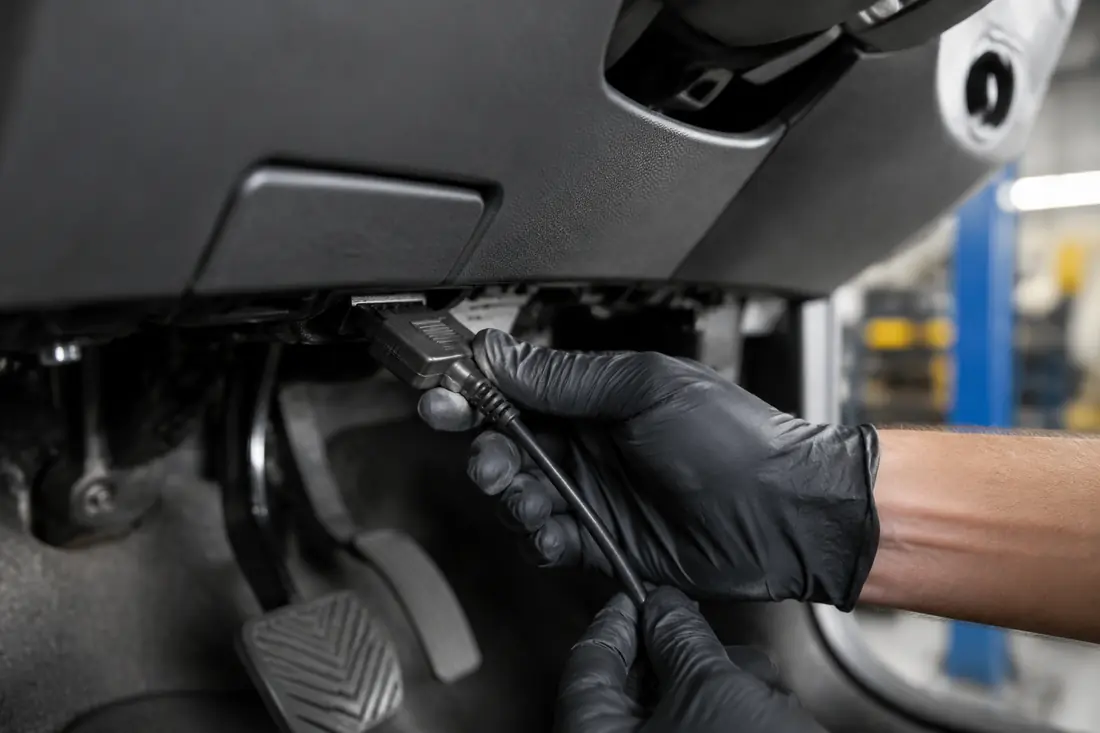
Diagnostic cable connected to a vehicle data port
Electronic evidenceScan data adds context to warnings and symptoms, then physical testing confirms what the data alone cannot.
The service name changes. The evidence standard should not.

A pre-purchase inspection may use most of these outputs. A mobile inspection can be narrower because of site access. A focused diagnostic job may go much deeper into one system. The report should make those differences obvious rather than hiding them behind a package name.

Vehicle inspection atlas

How vehicle systems are examined

A useful inspection does not treat the vehicle as a checklist of isolated parts. Condition, measurements, electronic data and operating behaviour are read together, then the limits of that evidence are made clear. Open any system below to see what the inspection can reveal and where a deeper test may still be required.

01
ObserveEstablish visible condition, warnings, wear, repairs and starting context.
02
MeasureAdd readings and supported diagnostic data where the scope allows.
03
CompareInterpret patterns across systems, sides and operating states.
04
EscalateIdentify the next specialist test when non-invasive evidence is not enough.
12 inspection areas

Vehicle system map

Select a system to expand the inspection logic and its practical limits.

01BaselineIdentity and initial conditionVIN · odometer display · warnings · keys · supplied records

The starting record may cover the visible VIN and identity labels, odometer display, warning messages, keys, controls, service information supplied and specification consistency. These observations create context for later findings. They do not provide access to government, insurer, dealer or accident-history databases, and a displayed mileage cannot be authenticated from appearance alone.

02ElectronicDiagnostics and electronicsSupported modules · faults · live data · voltage context

A compatible scanner may read active, stored and pending faults, module communication, relevant live data and readiness information where the vehicle exposes it. Warning lights and battery voltage matter because low voltage can create misleading records. A fault code points toward an affected circuit or condition. It does not automatically identify the failed part, and cleared or intermittent faults may not be present.

Read how computer diagnostics can guide physical and electrical testing.

03PowertrainEngine, lubrication and coolingStarting · leaks · fluids · smoke · noises · temperature

Starting behaviour, idle quality, visible leaks, fluid condition, smoke, accessible belts, mounts, noises and temperature behaviour may be observed. Cooling checks may include the reservoir, hoses, radiator, visible leakage and fan operation when conditions allow. A short inspection cannot prove internal engine health or reproduce every overheating condition; compression, pressure, oil analysis or dismantling may be recommended.

Deeper method information is available for engine-health inspection and cooling-system inspection.

04PowertrainTransmission and drivetrainLeaks · mounts · selection · clutch · shafts · road behaviour

Visible leakage, mounts, selector or clutch behaviour, driveshafts, CV joints, differential observations, four-wheel-drive warnings and road behaviour may be relevant. What can be felt on one permitted drive is useful evidence, but normal shifting during that route is not proof of complete internal transmission health. Fluid analysis, adaptation data or specialist testing may still be needed.

The transmission-diagnostics guide explains where scan and road observations may need further testing.

05ComfortAir conditioning and convenience systemsCooling · blower · controls · displays · cameras · locks · lighting

Cooling output, blower operation, vent selection, abnormal noise, odour and available electronic faults may be checked, along with seats, windows, locks, mirrors, displays, cameras, sensors, lights, keys and visible water entry. Vent temperature alone cannot identify a failed air-conditioning component. Pressure, leak or electrical testing may be required.

06High voltageHybrid and electric vehiclesCoverage · battery information · high-voltage boundaries

Inspector’s exact EV and hybrid capability is not verified for every model. Before booking, confirm diagnostic coverage, high-voltage competence and whether the requested battery information can actually be measured. Displayed state of health is not always equivalent to independent capacity testing. Isolation testing or high-voltage certification must never be assumed unless expressly confirmed for the appointment.

07BodyBody, paint and repair evidenceFinish · paint-depth patterns · alignment · fasteners · seams

Paint-depth patterns, finish differences, alignment, overspray, fasteners, seams, glass or lamp date consistency and accessible structural areas may reveal previous work. Visible corrosion, flood or fire indicators may also be noted. Readings require comparison across the vehicle and knowledge of materials. There is no universal paint number that proves accident history on every panel and every model.

For a deeper look at previous repairs, paint and accident-damage inspection considers paint readings alongside finish, alignment and other repair indicators.

08ChassisChassis and underbodyImpact · deformation · corrosion · leaks · exhaust · mounts

Where access permits, the inspector may look for impact, deformation, corrosion, leaks, exhaust condition, damaged covers and shields, and concerns around visible mounting points. A lift can materially improve the view, but covers, dirt, low ground clearance and site restrictions still conceal areas. Confirm lift access before assuming the complete underside will be visible.

09Running gearSuspension and steeringBushes · joints · dampers · springs · steering · tire wear

Accessible bushes, arms, joints, dampers, springs, leaks and tire-wear patterns may be observed, together with steering response, warnings, noises and wheel-bearing symptoms during an allowed road test. Wear can exist without an obvious symptom. Alignment measurement, unloaded joint checks or dismantling may be needed to confirm the cause and severity.

Related guidance covers suspension diagnostics and steering diagnostics.

10Running gearBrakes, wheels and tiresFriction parts · tire age · wear · wheel damage · ABS behaviour

Visible pad and disc condition where accessible, tire age and wear, compatibility, wheel damage, pressure warnings, braking behaviour and ABS or stability warnings may be reviewed. Without dismantling, hidden pad surfaces and internal hydraulic condition remain limited. Tire age and tread are decision inputs, not a guarantee of grip in every condition.

Use the focused pages for brake diagnostics and tire-condition inspection.

11SafetySafety-related observationsAirbag · restraints · ABS · stability · glass · lights

Airbag, restraint, ABS, stability and driver-assistance warnings can be recorded with visible seat-belt, lighting, windshield and safety-related damage observations. Electronic warnings can have several causes and concealed repairs may escape a non-invasive check. These findings do not make the vehicle “certified safe” or legally roadworthy.

Focused information is available for airbag diagnostics and vehicle safety inspection.

12DynamicRoad testStarting · shifting · braking · steering · vibration · temperature

A road test may reveal starting, shifting, braking, steering, ride, noise, vibration, warning and temperature behaviour. It requires owner permission, valid access, a safe vehicle and a suitable route. It may be shortened or omitted because of traffic, registration, weather, fuel, warning conditions or safety. Intermittent faults may not appear, and one drive cannot guarantee future behaviour.

From request to decision

The inspection process

The process is easiest to follow as six milestones, but the underlying work remains detailed. Each milestone carries the confirmations, checks and decisions that protect the quality of the inspection, from the first vehicle brief through to the action you take after the findings.

01
Brief

Define the decision

The inspection starts with the reason the vehicle is being examined. Buying, selling, diagnosing, checking a repair or reviewing general condition can require different evidence.

01 Contact InspectorShare the vehicle and the decision you need to make.02 Define the requirementGive the make, model, year, location, symptoms and purpose.
Milestone outputA clear inspection brief
02
Scope

Lock the work before booking

The package should match the question. Methods, location, lift access, diagnostic depth, road-test expectations, report output and exclusions are confirmed before the appointment becomes a commitment.

03 Select the scopeChoose a broad inspection or focused diagnosis.04 Confirm price and accessRecord total, VAT treatment, location, methods and exclusions.
Milestone outputAgreed work and price
03
Baseline

Set the starting point

The owner, seller or dealer is coordinated and the vehicle is presented in a usable inspection environment. Before deeper checks begin, identity, displayed mileage, warning states, keys and supplied records establish the baseline.

05 Schedule the appointmentCoordinate the owner, seller, dealer and suitable working area.06 Record starting conditionNote identity, mileage display, warnings, keys and supplied records.
Milestone outputA documented starting condition
04
Examine

Build the inspection evidence

The agreed visual, measured, electronic and operating checks are completed as far as the vehicle and location allow. Evidence is gathered across systems, while access limits are recorded rather than silently treated as completed work.

07 Perform included checksComplete the agreed observations and measurements that access supports.08 Road-test when possibleDrive only when included, authorised, lawful and appropriate for the vehicle.
Milestone outputInspection evidence
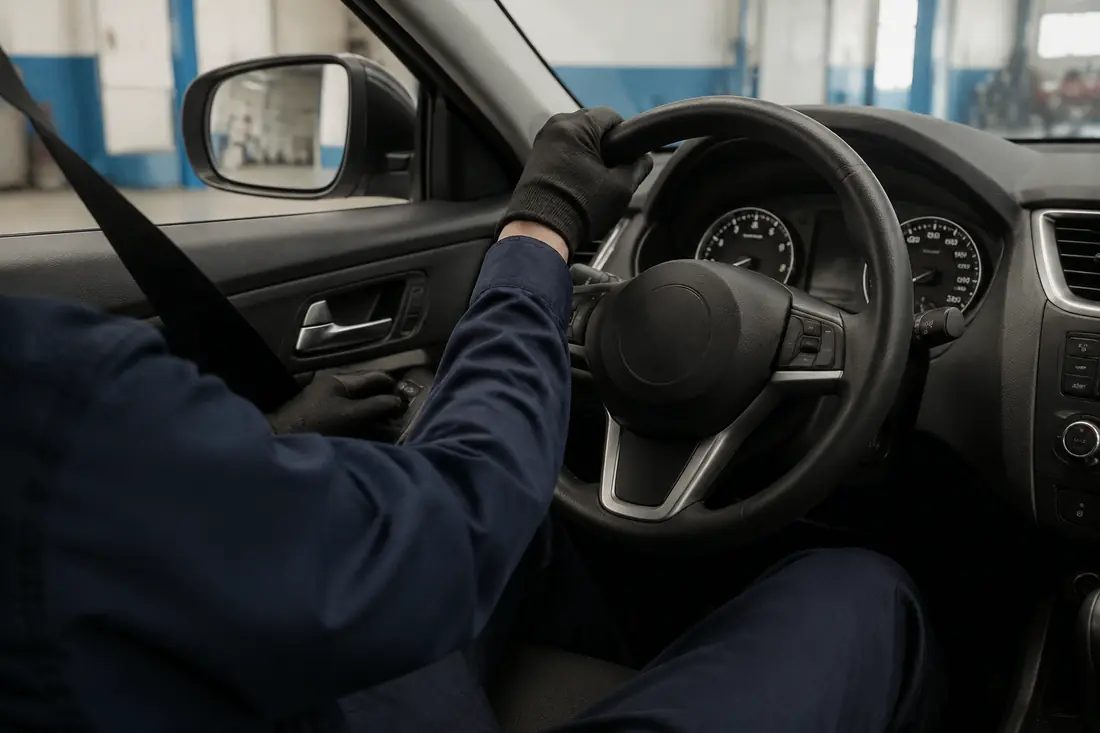
Vehicle controls and warning lights being checked before a road test
Road-test decision point. Controls and warning status are reviewed before a permitted drive. The vehicle, permission, route and starting condition must all support the test.
Conditional step

The road-test gate

A road test adds evidence that cannot be collected while the vehicle is stationary, including shifting, braking, steering, vibration, noise and temperature behaviour. It still represents one operating window and cannot reproduce every intermittent fault.

  • Permission and access. The owner agrees and the vehicle can be lawfully driven.
  • Starting safety screen. Condition and warnings do not make the drive unsuitable.
  • Route and conditions. Traffic, distance and road type can support useful observations.

If a gate is not met, the affected road observations remain unavailable and the report should identify the resulting uncertainty or safer follow-up.

05
Interpret

Turn evidence into findings

Observations are reviewed together so patterns, contradictions and missing evidence are visible. The result separates what was observed from what still needs diagnosis and connects each limitation to the conclusion it affects.

09 Review the evidenceSeparate observations from assumptions and identify gaps.10 Prepare the resultOrganise findings with supporting evidence and related limitations.
Milestone outputFindings with context and limits
06
Decide

Choose the next action

The important findings are explained in the context of the customer’s original decision. The next step may be to proceed, negotiate, repair, monitor, request a specialist test or walk away from the transaction.

11 Explain important findingsUse the confirmed post-inspection discussion route.12 Choose the next stepBuy, negotiate, repair, monitor or investigate further.
Milestone outputA practical next step
Use the evidence well

Understanding the report

A report should help you see what was checked, what was observed, how material the finding may be and what remains uncertain.

Cooling-system components being checked in an open engine bay
Illustrative visual check. Identifying the failed cooling component can require pressure, flow or electrical testing.

What a useful result contains

Confirm the report format, photographs, scan extracts, delivery method and turnaround for the selected service. Useful findings name the area examined, observed condition, supporting evidence, significance and any access or test limit. Photographs, scan data and road-test comments should remain distinct because they do not offer equal certainty.

Observation is not diagnosis

An observation records what could be seen, measured, heard, felt or read. A diagnosis identifies the cause through sufficient testing. Coolant staining may justify a leak test but does not identify the component. An airbag code can guide investigation but does not prove the module needs replacement.

Use and discuss the findings

Separate possible safety concerns from repair exposure, maintenance and cosmetic preference. Decide whether the evidence is complete enough or a specialist diagnosis is needed. A report can support negotiation, but it cannot set the transaction price or force agreement. Confirm before booking whether post-inspection explanation is included, who provides it and how questions can be raised.

The vehicle inspection report guide explains how to read findings and limitations. No genuine anonymised sample is currently available on this homepage.

Signature decision tool

Finding priorities

Priority is not a vehicle score. It is a way to decide what deserves attention next. Severity, evidence quality, vehicle use, access and repair context all matter, so two visually similar findings can lead to different recommendations.

Immediate safety attention

Evidence suggests continued use may be unsafe. Consider stopping and obtaining qualified repair or recovery advice; the report should explain why delay matters.

Significant repair exposure

Evidence suggests a material repair or value effect. Obtain diagnosis and a written estimate; appearance alone cannot establish cost.

Near-term maintenance

Wear or service need appears likely soon without an immediate unsafe finding. Check remaining life, guidance and related parts.

Further diagnosis recommended

The observation is supported but its cause is not. Use the recommended pressure, electrical, alignment, lift or specialist test.

Monitor over time

A minor or uncertain condition does not yet justify repair. Record a baseline and review change, recurrence or added symptoms.

Cosmetic or preference-based

The matter mainly affects appearance, comfort or preference. Consider repair quality and value without relabelling it a safety defect.

No material concern observed

The included check found no material concern then. This is not a lifetime pass or proof that every failure mode was excluded.

Scope before payment

Pricing and package clarity

A transparent quote identifies the package, total, VAT treatment, location, methods, report output and exclusions. The current package sheet was not verified for this revision, so no price is invented.

Quote itemWhy it mattersWhat to confirm
Vehicle and use caseVehicle category and purpose change the appropriate depth.Make, model, year, condition, buying or diagnostic objective.
Location and accessMobile sites may limit lifting, lighting and road testing.Al Quoz or mobile location, travel terms, safe space and lift access.
Included systemsPackage names alone do not show what is examined.Mechanical, body, electronics, underbody, functions and road test.
MethodsScanning, paint readings and specialist tests answer different questions.Diagnostic coverage, paint-depth work and any additional test.
Report and explanationThe decision depends on usable evidence, not the appointment alone.Format, photographs, scan information, delivery and follow-up discussion.
Total priceVAT, travel and additions can affect the amount payable.Written total, VAT treatment, additions, exclusions and payment terms.

Legitimate price variables

Vehicle type, complexity, classic or luxury needs, travel, lift access, diagnostic depth, added tests and multiple vehicles may affect a quote. State them before work begins rather than using a misleading “from” price.

Get the current amount

Ask Inspector for the current package sheet and a vehicle-specific written quote. Do not rely on old ranges or a competitor’s fee as the price you will pay.

Tools with limits

Equipment and methods

Published service pages refer to these methods, but package availability and model coverage need confirmation. Equipment supports judgement; it does not create certainty.

Diagnostic scanner

Helps access supported modules, fault records and selected live data. It cannot prove the failed part, expose every mechanical problem or retrieve data the vehicle does not provide.

Paint-depth gauge

Helps compare finish thickness and identify patterns consistent with repainting or filler. Material, factory finish and panel shape affect readings, so interpretation and visual evidence are required.

Battery tester

Helps assess available voltage and, where applicable, test results for a low-voltage battery. One result does not guarantee future battery life or diagnose every charging-system concern.

Tire-depth gauge

Helps record tread at the measured positions. It should be interpreted with tire age, uneven wear, damage, compatibility and pressure, none of which is replaced by one depth number.

Lift and inspection lighting

Improve access to visible underbody, leaks, impacts and components. Covers, corrosion, dirt and non-removal limits still apply, and mobile locations may not provide lift access.

Temperature and road observations

Can provide operating context for cooling, air conditioning and road behaviour. Ambient conditions, route, inspection time and intermittent symptoms limit what a single observation confirms.

Evidence-led reasons

Why choose Inspector

Choose by the clarity of scope and reporting. These are the standards this homepage makes visible and customers should confirm when booking.

Scope

Decision-led inspection

The vehicle, customer decision and available access determine whether a broad condition check, focused diagnosis, Al Quoz visit or mobile arrangement fits.

Evidence

Evidence before conclusion

Visual, measured and electronic observations are limited to what each method actually supports.

Boundaries

Limits beside findings

Road-test, access, dismantling and intermittent-fault limits sit with the affected conclusion.

Independence

No purchase pressure

Inspection evidence supports your decision without reducing the vehicle to a decorative score.

Action

Clear next steps

Priorities separate possible safety, repair, maintenance, diagnosis and cosmetic needs.

People and accountability

Inspection team roles

Named staff profiles, qualifications and photographs were not verified for publication. These are workflow responsibilities, not invented employees. Ask who will perform and review your scope.

Inspection lead

Confirms purpose, boundaries and access, then connects limitations to affected findings.

Diagnostic technician

Interprets compatible scan evidence and recommends physical or electrical tests where needed.

Quality reviewer

Checks support, proportionate priorities, contradictions and missing evidence. Confirm the actual reviewer.

Report explainer

Clarifies observations, uncertainty and next diagnosis. Confirm whether discussion is included.

Booking coordinator

Confirms time, location, access, vehicle, quoted price and essential contact details.

Proof without theatre

Evidence on this page

Operational proof should be genuine, permissioned and traceable. Generated visuals on this page explain inspection activity, but they are not presented as customer vehicles, employees, facilities, equipment records or completed jobs.

Verified evidence for this revision is limited to Inspector’s published service inventory, consistent Call and WhatsApp channels, Al Quoz reference, Dubai mobile availability and inspection-method descriptions. These support navigation and scope, but not a real case file.

No customer review text, rating, repair saving, technician quotation, named team credential, customer counter, inspection history or anonymised defect case has been reused because a source and publication permission were not verified. No aggregate-rating or review schema is added.

Inspector can later add an approved anonymised checklist, genuine redacted report, original workshop or mobile photographs and a documented quality-review record. Each should show what happened, why it mattered, the limitation and next action. Until supplied, the gap remains visible.

Access changes the answer

Location and inspection logistics

Inspector references Al Quoz and publishes mobile car inspection in Dubai. Confirm the precise address, appointment time, travel charge and available facilities before setting out or asking a seller to prepare the vehicle.

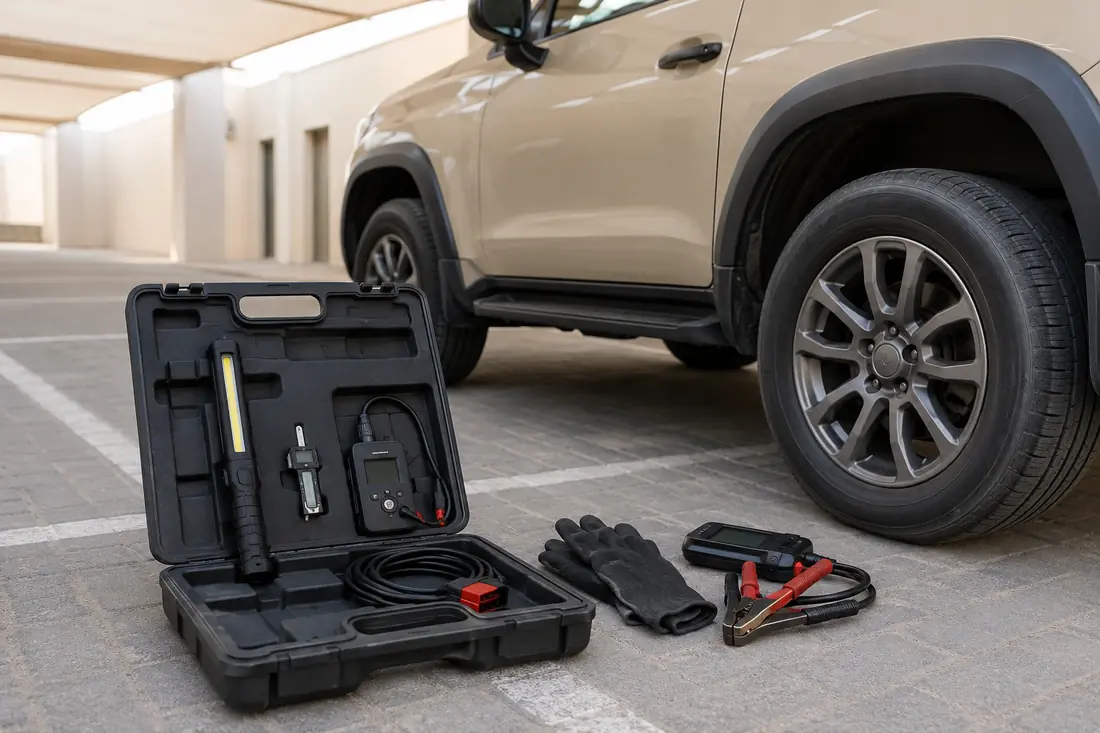
Portable inspection equipment beside a parked SUV
Illustrative mobile setup. This is not evidence of Inspector-owned equipment or a completed customer inspection.

Confirm before arrival

  • Exact vehicle location and a reachable site contact
  • Owner, seller or dealer permission to inspect
  • Keys and access to locked areas included in scope
  • Safe, level and adequately lit working space
  • Whether the vehicle can be started and moved
  • Road-test permission and a lawful, suitable route
  • Registration information where relevant
  • Service records, repair orders and known symptoms
  • Lift or underbody access if the package requires it
  • Mobile travel charge and coverage boundary
  • Any site, dealer or private-property access rules
  • What happens if access is refused or unsafe

Dealer and private-seller inspections may be possible with coordination. Auction access is not assumed. If a site refuses scanning, lifting, photographs, starting or road testing, the affected check should be omitted and the limitation recorded. A revised location or follow-up appointment may be the better option.

Vehicle coverage

Vehicles and brands

Published Inspector pages cover mainstream passenger vehicles, SUVs and 4x4s, plus dedicated luxury, classic and salvage-condition use cases. Confirm exact model, condition and required equipment before booking.

A brand name does not define the inspection. Age, construction, software, powertrain, modifications and condition change the method. Luxury cars may need suitable lifting and diagnostic coverage. Classic and salvage-condition vehicles require age, access and repair context.

Inspector also publishes brand-specific inspection pages for commonly researched vehicles. Use them when the model context adds useful guidance, not as a replacement for the broad service choice:

Model-specific guidance is available for BMW inspection, Mercedes inspection, Porsche inspection, Toyota inspection, Nissan inspection and Lexus inspection.

Commercial-vehicle, hybrid and electric capability is not confirmed on this homepage. Ask about the exact vehicle, supported modules, high-voltage boundaries and any weight or access limits before treating the service as available.

Booking route

Prepare your inspection request

Send your name, Call or WhatsApp number, vehicle make, model, model year, inspection purpose, vehicle location, preferred date or time and any known symptom. Add the seller or dealer contact only with permission. Inspector should confirm scope, access, price, VAT treatment and appointment details before the booking is complete.

This page does not display a pretend submission form. A verified form handler, spam protection and published privacy-policy destination were not available for a safe on-page form. Use the established Call, WhatsApp or appointment routes below; opening WhatsApp does not send anything until you review and send the message.

Direct answers

Frequently asked questions

These principles apply across Inspector services. Your quote must still confirm the package, methods, access and output.

Visit the full Inspector FAQ page
What is included in a car inspection?

The inclusion depends on the agreed service. A broad inspection may cover visible identity and condition, body and paint evidence, accessible mechanical systems, tires, brakes, functions, diagnostic information and road behaviour. It does not automatically include dismantling, laboratory tests, complete accident-history data or every specialist system. Ask for the checklist and exclusions before booking.

Which inspection package should I choose?

Choose by decision, not by the largest point count. A buyer normally needs a broad pre-purchase inspection. A warning or symptom may need focused diagnostics. A remote seller may make a mobile inspection practical, while underbody or specialist questions may favour workshop access. Share the vehicle and concern so the scope can be matched.

Can Inspector visit the seller’s location?

Inspector publishes mobile car inspection in Dubai, subject to coverage, safe space, permission and the selected scope. Confirm travel terms and what can be completed at that site. A seller’s location may not provide lifting, controlled lighting or a suitable road-test route, so some findings can remain limited.

Is a road test included?

Do not assume it is included. Confirm it in the package. A road test also requires the owner’s permission, a vehicle that appears safe and legal to drive, suitable registration and a practical route. It may be omitted or shortened because of warning conditions, traffic, site rules or safety. Intermittent behaviour may not appear on one drive.

Will the vehicle be inspected on a lift?

Lift access must be confirmed for the appointment and location. It can improve the view of accessible structure, leaks, impacts, exhaust and suspension components. It still does not remove covers or guarantee that every area is visible. Mobile sites may only allow a ground-level view, which should be recorded as a limitation.

Can previous accident repairs be identified?

Visible evidence such as finish differences, paint-depth patterns, overspray, alignment, fasteners, seams and accessible structural repairs may be identified. No inspection can prove a complete accident history from one universal reading. Concealed areas, replaced panels and high-quality repairs may require deeper access or records that are not available.

Can a diagnostic scan find every problem?

No. A compatible scan can read information made available by supported modules, including some active, stored or pending faults and live data. Mechanical wear may produce no code, a fault may have been cleared, communication may fail and one code can have several causes. Physical and electrical tests are often needed before replacing a part.

Can Inspector verify the mileage?

The displayed odometer and any relevant information available during the agreed inspection can be recorded and compared for consistency. That does not authenticate the vehicle’s full mileage history. Official, dealer or service records would need to be obtained from their legitimate sources, and this homepage does not claim access to a government or insurer mileage database.

Can inspection prove a car has never been in an accident?

No. An inspection can identify evidence that is present and accessible, or note where no material repair indicator was observed. It cannot prove that no accident ever occurred. History records can also be incomplete, and body evidence can be concealed. Treat the result as current inspection evidence rather than a lifetime declaration.

How long does an inspection take?

The current duration must be confirmed with the selected package. Vehicle complexity, condition, diagnostic communication, road-test access, lift availability and the number of findings all affect time. An unsupported universal duration can create pressure to rush a complex vehicle, so ask for the realistic appointment window in writing.

When and how is the report delivered?

Confirm the format, delivery channel and turnaround before booking. Also ask whether photographs, diagnostic information and a follow-up explanation are included. This homepage does not publish a delivery promise that has not been verified. If timing affects a purchase deadline, tell Inspector before the appointment rather than assuming same-day delivery.

Are luxury, classic, hybrid and electric vehicles supported?

Inspector publishes dedicated luxury and classic inspection services. Exact model capability still needs confirmation. Hybrid and electric inspection capability, high-voltage boundaries and battery tests were not verified for every vehicle, so ask before booking. A displayed battery state of health is not always independent capacity proof, and high-voltage certification must not be assumed.

Does an inspection guarantee the vehicle will not develop a fault?

No. The inspection records evidence available during a limited appointment and within an agreed non-invasive scope. Intermittent, concealed and future faults remain possible, and components can change after inspection. Use the report to reduce uncertainty, plan further tests and inform your decision, not as a warranty or prediction of future reliability.

Is Inspector an RTA testing centre?

This homepage does not represent Inspector as an RTA testing centre, government authority or issuer of official roadworthiness certificates. Dubai’s official vehicle testing for registration, renewal or export follows the RTA process through approved service centres. A private condition inspection can support your understanding, but it does not replace that official process or guarantee a pass.

Make the next step specific

Bring the vehicle details. Inspector will help define the scope.

For a purchase, sale, condition concern or diagnostic question in Dubai, prepare the make, model, year, location, access permission, seller contact where appropriate and known symptoms. Confirm what will be checked, what you will receive, the total price and the important limits before the appointment, then keep that scope with your inspection record.

Scroll to Top