
What Can a Body Panel Check Tell You? A car described as accident-free may still have paint or panel repairs. A Full Body Panel Inspection checks accessible panels for signs of repainting, replacement, damage and repair. Findings should be considered alongside the available history and any recommended structural checks.
What Is a Full Body Panel Inspection?
A Full Body Panel Inspection focuses on body panels and visible repair signs. It serves a different purpose from an RTA test. Confirm which panels and underbody areas can be accessed and whether further measurements are needed.
- Paints That Cover Damage
Paint thickness gauges are used by inspectors to find areas where accident damage, dents, or scratches have been covered up by fresh paint. Such repaints that are missed by visual inspections can be easily found by a professional Full Body Panel Inspection.
- Replacement Panels Following Collisions
The replacement of a door, fender, or bonnet is frequently indicated by misaligned bolts, hinges, and welding marks. Buyers can avoid vehicles with a significant accident history by identifying these changes through a Full Body Panel Inspection.
- Unnoticed Flood or Rust Damage
Corrosion in wheel arches, underbody panels, and door sills is detected by moisture meters and visual inspections. A Full Body Panel Inspection reveals these dangers before they become costly repairs. Rust is frequently covered up with body filler.
- Body filler work or structural welding
Weak magnetic pull, uneven surfaces, or non-factory welding patterns show areas that have been filled or welded after damage. In order to identify potentially dangerous repairs, a used car inspection in conjunction with a Full Body Panel Inspection is essential.
The buyer’s best defense against potential financial loss and safety hazards is a Full Body Panel Inspection, which goes beyond a superficial inspection. You can get a full picture of the vehicle’s actual condition by combining this with a used car inspection. A Full Body Panel Inspection makes sure you only buy a car that is really worth your money, regardless of any hidden structural problems, panel replacements, or repaints.
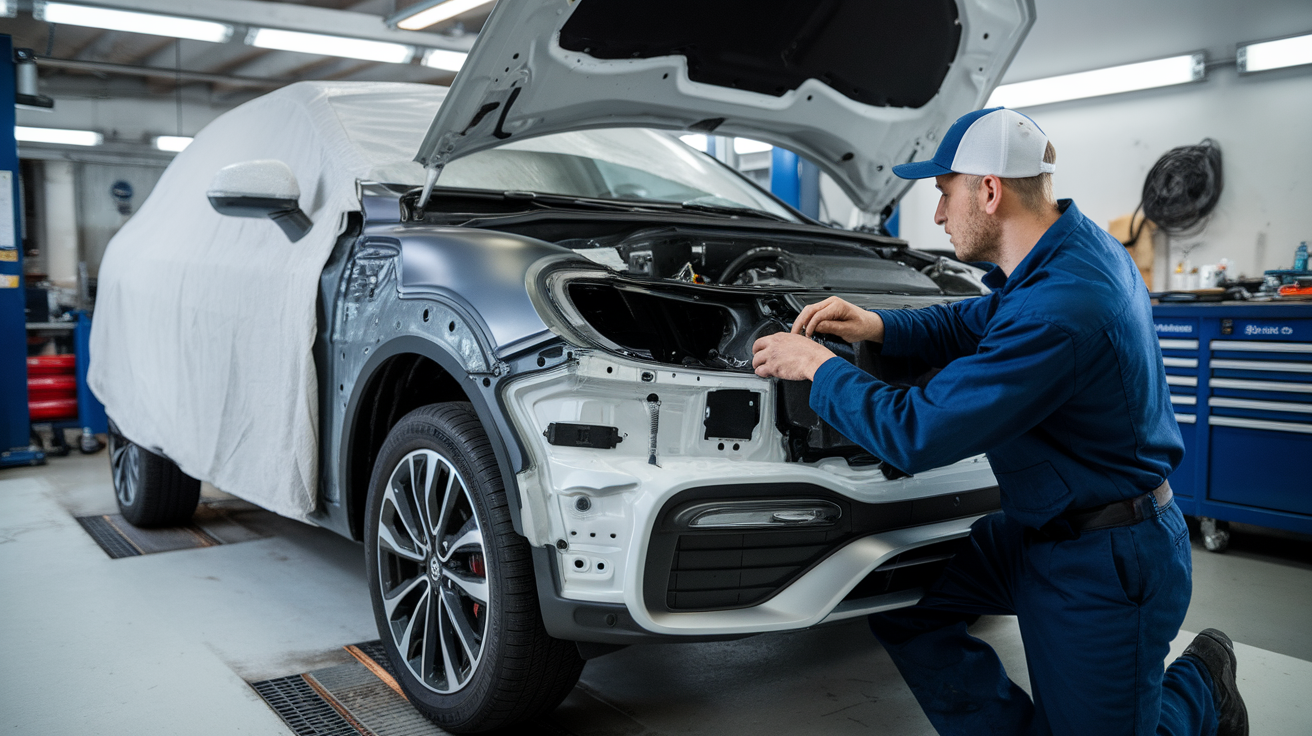
Why Full Body Panel Inspection Is Critical for Buyers in Dubai
First impressions can be deceiving in Dubai’s cutthroat used car market. A polished interior or a shiny paint job may conceal years of damage. Because of this, a Full Body Panel Inspection is necessary rather than just an option. Many vehicles that are marketed as “accident-free” have had paint jobs or repairs done that are not visible to the naked eye. These hidden defects are found by a professional Full Body Panel Inspection. Use the findings alongside the available records and mechanical checks.
- Purchasing a Car That Has Been Wrecked
Sellers frequently use speedy repaints to conceal vehicles damaged in accidents. Mismatched panels, new welding, and body filler are all revealed by a Full Body Panel Inspection, which indicates serious collisions.
- Decreased Value at Resale
In Dubai’s resale market, cars with a history of accidents quickly lose value. You can steer clear of cars that won’t pass inspection reports requested by prospective buyers with the aid of a Certified Full Body Panel Inspection.
- Complications with Insurance
If accident repairs are later found, insurers may deny complete coverage. When paired with a body check, a used car inspection guarantees that any hidden issues are found before purchase.
- Poor Repairs Raise Safety Concerns
Life-threatening conditions include structural corrosion, misaligned panels, and weak welding. In order to protect the driver and passengers, a Full Body Panel Inspection identifies these issues.
Even though skipping a full-body panel Inspection might seem like a way to save money or time, the dangers are much greater than the expense. Buyers in Dubai safeguard themselves against monetary loss, insurance problems, and risky repairs by combining it with a used car inspection. The best investment you can make before signing any contracts is, in short, a Full Body Panel Inspection.
Repainted Car Panels | Key Indicators Found in Inspection
Professional inspectors are aware that appearances can be deceiving, even though a shiny car may appear flawless at first glance. Experts can find hidden repaints that reveal mishaps or subpar repairs by performing a Full Body Panel Inspection. A Full Body Panel Inspection, as opposed to a fast visual check, employs sophisticated equipment and skilled eyes to find defects that most buyers overlook. This makes it a necessary step when purchasing a used car in Dubai, along with a thorough inspection.
- Inconsistency in Color
Different panels may appear slightly different in shade when exposed to artificial or natural light. These discrepancies are found by a thorough Full Body Panel Inspection, which also reveals areas where repainting has been done following collisions.
- Overspray on Trims and Rubbers
A classic indication of repainting is excess paint on weather strips, seals, or trims. Inspectors carefully inspect edges during a Full Body Panel Inspection to find hidden repair jobs caused by inadequate masking.
- Uneven Gloss & Orange Peel Texture
Although factory paint is uniformly smooth, repainted areas frequently acquire a rough, “orange peel” texture. These defects that reduce a used car’s value and appearance are brought to light by a thorough Full Body Panel Inspection.
- Unreliable Panel Shine
Repainting is typically indicated if one fender, door, or hood reflects light differently than the others. Before you seal the deal, a Full Body Panel Inspection makes sure that any discrepancies are noted.
Why This Is Important to Purchasers
Although they are frequently a sign of previous damage or accident repairs, repaints are not always bad. You can distinguish between minor cosmetic repairs and significant collision history with the aid of a Full Body Panel Inspection. When combined with a used car inspection, it guarantees that Dubai buyers only spend their money on cars that are genuinely safe, dependable, and reasonably priced. A car that conceals expensive repairs under a new coat of paint could be purchased if a Full Body Panel Inspection is skipped over.
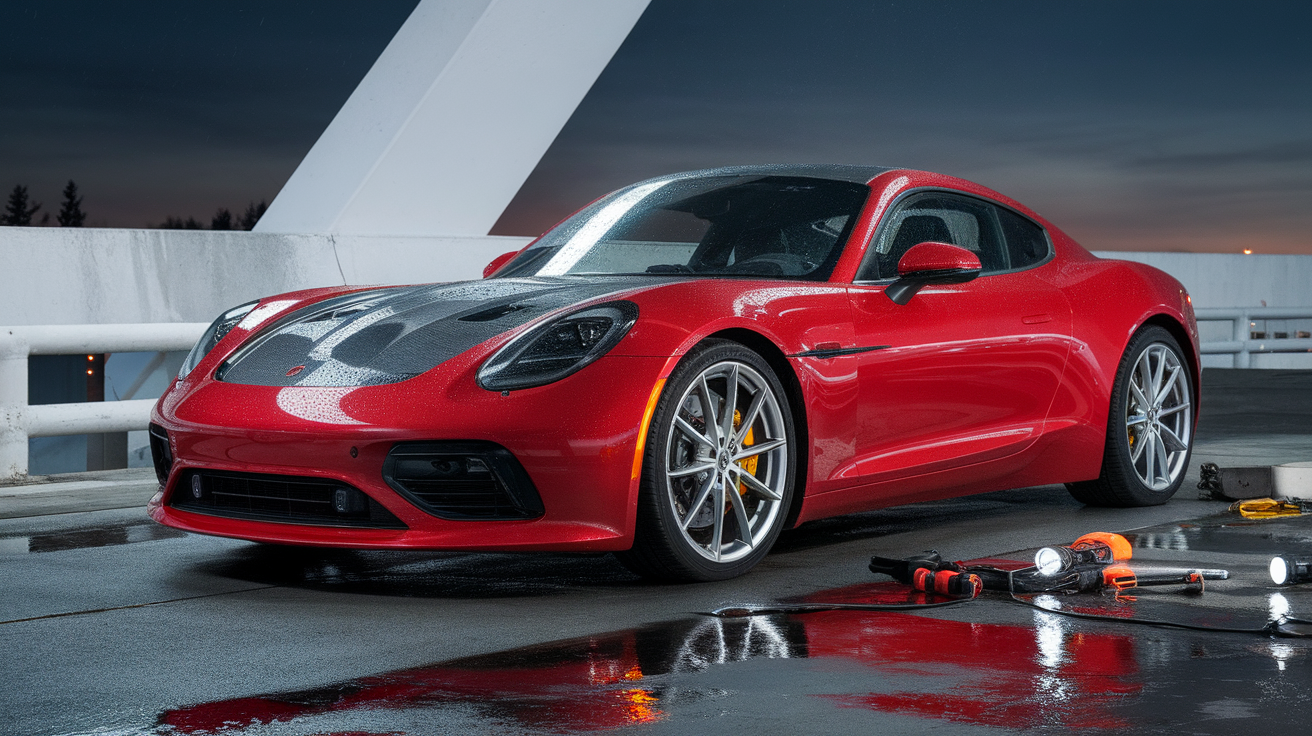
How Inspectors Detect Panel Replacements
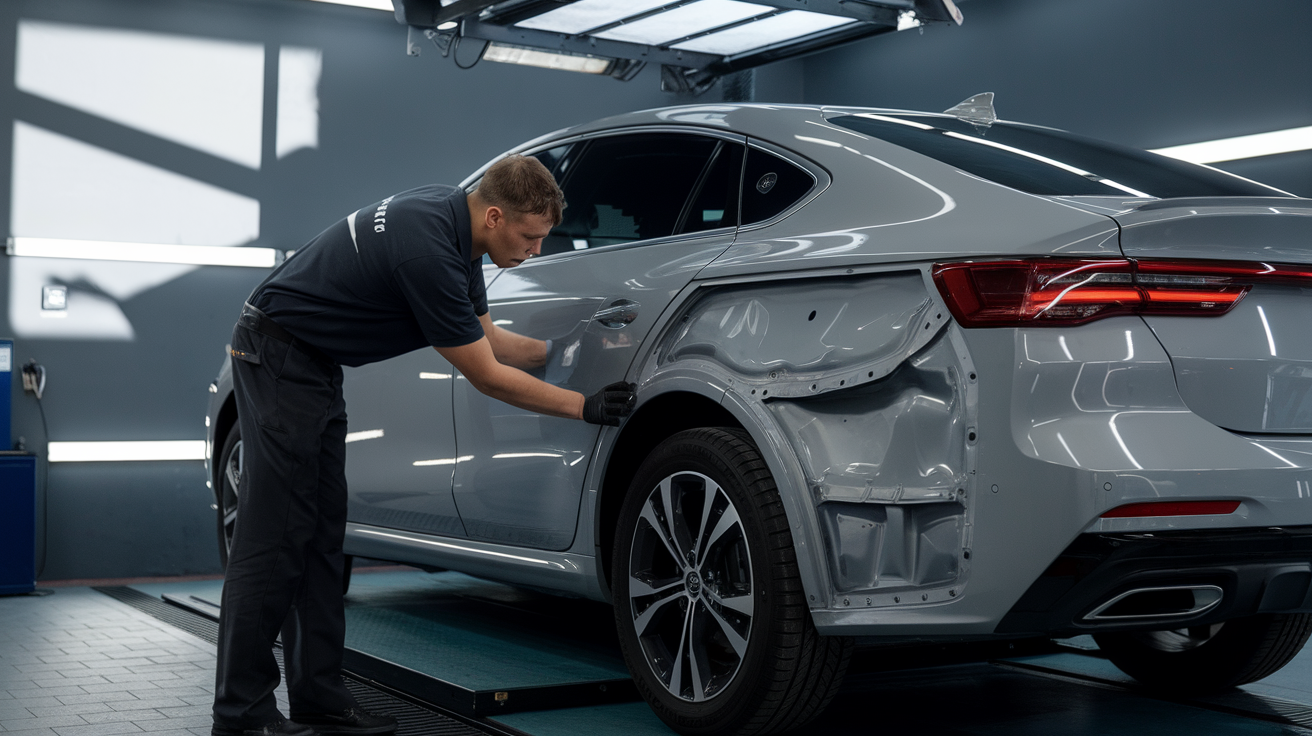
Panel fit, fasteners and visible joining work can indicate that a panel has been removed or replaced. A Full Body Panel Inspection is far more efficient than a typical used car inspection when a trained eye and the right tools are used. Inspectors can swiftly find indications of repair that most buyers would overlook by looking at bolts, welding spots, and alignment.
Hinge and Bolt Markings
- Bolts with new tool marks indicate that the trunk, hood, or doors were removed.
- Repair work is indicated by repainted or mismatched bolts.
- Bolts from the original factory typically exhibit uniform color and finish.
Structural joints and welds
- Aftermarket welds appear rough, whereas factory welds are neat and consistent.
- Welds that are ground down are a clear sign that a panel needs to be replaced.
- Additionally, inspectors look for excess sealant that could conceal subpar welding.
Panel Alignment & Gaps
- Uneven distances between the trunk, hood, and doors indicate a history of collisions.
- Poor repairs are evident in panels that are positioned higher or lower than factory standards.
- Past damage is confirmed by irregular spacing between the left and right sides.
Surface Finish & Paint Around Panels
- Near the edges, thicker paint indicates repainting after replacement.
- Another warning sign is excess spray on glass, trims, or seals.
- The contrast between glossy and dull panels indicates non-factory work.
Beyond aesthetics, a professional Full Body Panel Inspection looks for repairs that could compromise safety and resale value. A basic used car inspection won’t reveal hidden replacements, but it might point out dents or scratches. For this reason, a Full Body Panel Inspection is the best option for any buyer who wishes to be certain before making a purchase. You can negotiate a reasonable price or back out of a risky deal by identifying replaced panels.
Hidden Structural Damage You Can’t See
Hidden structural damage, which sellers frequently attempt to conceal, is one of the riskiest parts of purchasing a car. These problems, in contrast to scratches or dents, are deeply ingrained in the body and are almost impossible to detect without a Full Body Panel Inspection. Expert inspectors are aware that welding marks or frame repairs can jeopardize safety even in a well-maintained and “accident-free” car. Because of this, a comprehensive used car inspection lacks a proper Full Body Panel Inspection that concentrates on structural areas.
Rails and Pillars for Chassis
- Joint or rail cracks indicate past serious incidents.
- Replacement of the panel or frame is indicated by non-factory weld marks.
- Crash safety is compromised by pillars that are bent or reinforced.
- This area has weak spots that impact handling and alignment.
Crumple Zones
- Impact repairs can be seen by the straightening marks.
- Zones that are not properly repaired could fail in a subsequent crash.
- Metal thickness variations are a serious warning sign.
- Hidden damage is revealed by gaps in the fresh paint or sealant.
Revealed | Underbody and Hidden Repairs
Panels for the underbody and firewall
- Along the firewall, weld marks indicate the impact of an accident.
- Serious collision history is hidden by repainted underbody sections.
- The structural rigidity is impacted by damaged floor panels.
- Over time, rust may result from poor welding.
Fresh Coating on the Underbody
- Welding is frequently hidden with a thick new coating.
- Textures that are glossy or uneven point to hasty repairs.
- Inspectors look for bubbles, which indicate corrosion underneath.
- An obvious warning is a coating that differs from the factory finish.
A Full Body Panel Inspection can identify concerns in accessible areas. It cannot guarantee that all concealed damage or previous repairs will be found.
Tools Used in a Full Body Panel Inspection
Inspectors combine visual checks with suitable measurements. Ask what equipment and access are included in the Full Body Panel Inspection is much more trustworthy than a simple used car inspection, providing buyers with a thorough, fact-based report prior to making a purchase.
High-Tech Instruments for Measurement and Detection
Measurement of Paint Thickness
- Determines the precise depth of paint in microns.
- Distinguishes between sections that have been repainted and those that have been factory-painted.
- Identifies areas that have hidden repairs or filler.
UV & LED Inspection Lamps
- Overspray is not visible in daylight.
- Emphasize any erratic finishing or swirl marks.
- Under fresh paint, reveal body filler lines.
Moisture Measurements
- Check for flood damage under panels and carpets.
- Determine the moisture that has been trapped inside door frames.
- Stop consumers from buying cars that have been restored by flooding.
Testers for Magnets
- Heavy filler use is indicated by weak pull.
- Factory panels are visible with a strong, steady pull.
- Fast and efficient for field examinations.
Digital & Electronic Diagnostic Instruments
OBD Data Scanners for Crash
- Indicate whether the data for airbag deployment was reset.
- Verify accident history concealed from purchasers.
- Check for tampering in the safety and ECU systems.
IR thermometers
- After respraying, display the panel’s uneven temperatures.
- Even after polishing, you can still detect recent paint jobs.
- Beneficial for fast outdoor examinations.
Endoscopes & Borescopes
- Permit looking inside pillars and other concealed spaces.
- Check for corrosion or welding marks inside cavities.
- For inspection reports, include photographic or video evidence.
Polarizing lens-equipped digital cameras
- Record subtle details that the human eye would miss.
- Distinguish between the original and resprayed panels.
- Provide clients with documentation that is up to inspection standards.
A full-body panel Inspection is distinguished from a cursory visual inspection by these specialized instruments. A routine used car inspection may find dents or scratches, but it is unable to reveal concealed welding, flood damage, or accident repairs. The only way for buyers in Dubai to be sure they are paying for a car that is safe, original, and genuinely accident-free is to have a Full Body Panel Inspection done with expert equipment.
Difference Between Full Body Panel Inspection & Paint Detailing
Detailing improves a car’s appearance. A Full Body Panel Inspection assesses panel condition and signs of previous work.
The Actual Functions of Paint Detailing
- Detailing can improve gloss and remove surface marks. A clean finish does not establish whether a panel has been repaired or replaced.
The Results of a Complete Body Panel Examination
- An inspection records visible defects and relevant measurements, then explains what they may indicate. It does not certify the vehicle’s full history, future safety or resale value.
Before buying, consider the inspection findings and any outstanding checks separately from the quality of the car’s finish.
Can You Inspect Panels Without Tools? (DIY Checks)
Even though not every buyer has access to sophisticated inspection tools, you still have options. Even though a professional Full Body Panel Inspection is the best option, there are still a few easy things you can do on your own before buying a car. Although a thorough used car inspection is more accurate than these do-it-yourself suggestions, they can assist you in identifying warning signs and determining whether the car merits a closer examination from a professional.
Visual Do-It-Yourself Inspections You Can Perform Anywhere
- Sunlight Reflections on Panels
When the body panels are exposed to natural sunlight, hidden filler is frequently visible. Reflections that seem wavy rather than smooth are typically an indication of body repairs.
- Inconsistency in Color Between Panels
Examine the color of the hood, fenders, and doors. Repainting is suggested by even minor tone variations, which can only be verified by a Full Body Panel Inspection.
- Inequitable Spaces Between Panels
The hood, trunk, and doors should all line up precisely. Potential accident repairs or panel replacements are indicated by wider or narrower gaps on one side.
- Overspray of Paint on Rubber and Trim
Examine the areas around door edges and window seals. An obvious sign of repainting work that a seller might not mention is overspray.
Before a professional inspection, practical checks
- For Rough Spots, Touch
Touch the panel’s edges. Bumpiness or rough textures typically indicate filler underneath the paint.
- Examine the hinges and door bolts.
Mismatched bolts or new tool marks indicate that panels were either replaced or removed. This would be thoroughly verified by a full-body panel inspection.
- Examine the Trunk Under the Carpets
Lifting the carpet can reveal structural repairs, rust, or welding marks that are frequently concealed from purchasers. - Magnet Test (Simple Version)
A tiny household magnet can be useful even in the absence of expert gauges. A weak pull suggests that the original factory metal has been replaced with filler.
Basic observations may give you reasons to request a Full Body Panel Inspection . Some areas remain concealed even during a professional check and may need further access or specialist assessment.
Finishes and Repairs That Need a Closer Look
When it comes to an automobile’s accident history, not all sellers are truthful. Even after undergoing extensive repairs, some cars in Dubai’s rapidly evolving auto industry are polished and marketed as “accident-free.” A Full Body Panel Inspection is essential in this situation because it reveals the tricks that cosmetic fixes attempt to conceal. A professional Full Body Panel Inspection will reveal the truth before you buy, but relying solely on a basic used car inspection won’t always expose these lies.
- Polishing to Cover Up Inconsistent Panels: In order to reduce the visibility of color variations, many sellers buff the paint. A Full Body Panel Inspection using UV lamps can uncover mismatched shades and repaired panels, even though the vehicle may appear flawless under showroom lighting.
- Low-cost Painting Services for Damage Repair: In order to conceal dents, scratches, or collision damage, quick paint sprays are frequently utilized. At first glance, these inexpensive jobs appear fine, but they typically peel or fade quickly, reducing their resale value. Such cover-ups are revealed by a thorough used car inspection and panel testing.
- ECU Crash Data Reset: Sellers may reset the ECU to remove crash codes after airbags deploy. This gives the impression that the vehicle is accident-free when performing basic diagnostics. When combined with OBD scanning, a thorough Full Body Panel Inspection can reveal tampered crash data.
- Replacement of Interior Panels: Some sellers swap out side panels, steering wheel covers, or dashboard trims to conceal airbag deployments. Although they look good, these changes jeopardize safety. Full Body Panel Inspection inspectors are skilled at identifying fitment and finish irregularities.
A clean appearance does not explain every previous repair. A full body panel inspection can record signs that deserve a question to the seller, a history check or further testing.
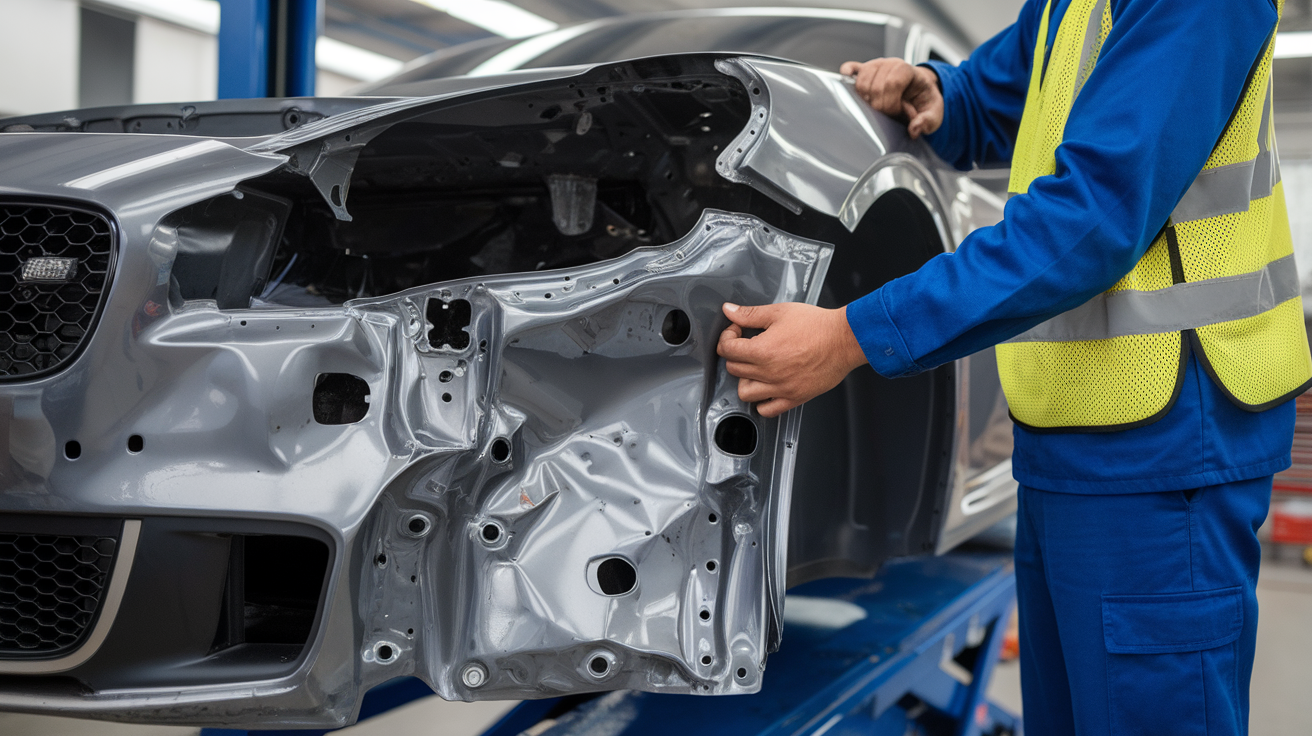
Risks of Skipping a Full Body Panel Inspection
Many buyers think it’s safe to buy a shiny car with “no visible damage.” One of the most significant errors you can make when purchasing a used car is to omit a Full Body Panel Inspection. Poor quality repaints, concealed welding, and accident repairs can all jeopardize safety and value in ways that are impossible to find with a basic used car inspection. You won’t be left with any unpleasant surprises after the transaction is completed, thanks to a thorough Full Body Panel Inspection! What Takes Place If This Step Is Ignored:
Safety Sacrifice
- In another accident, poorly welded crumple zones, pillars, or chassis rails could fail. Driving a car that appears fine but is structurally unsafe is a risk without a Full Body Panel Inspection.
High Costs of Repair
- Repairing hidden rust, body filler cracks, or panel replacements can end up costing thousands of dollars. A Full Body Panel Inspection can help you avoid unforeseen expenses, even though a thorough used car inspection won’t find these issues.
Concerns About Insurance
- Auto insurance coverage for vehicles with an unreported accident history is frequently restricted or more expensive. You are protected from denial or exorbitant premiums by a Full Body Panel Inspection, which offers documented proof of condition.
Loss on Resale
- These days, buyers want certified reports. An automobile’s resale value is greatly reduced if it has unreported hidden repairs. You can resell your vehicle with confidence thanks to a Full Body Panel Inspection.
Ignoring a Full Body Panel Inspection is a risky move that compromises long-term value, safety, and finances. A cursory check of a used car might seem adequate, but it won’t show any hidden structural damage or shoddy accident repairs. Before signing any contracts, a Full Body Panel Inspection is the best investment a buyer in Dubai can make. It is not merely an optional step.
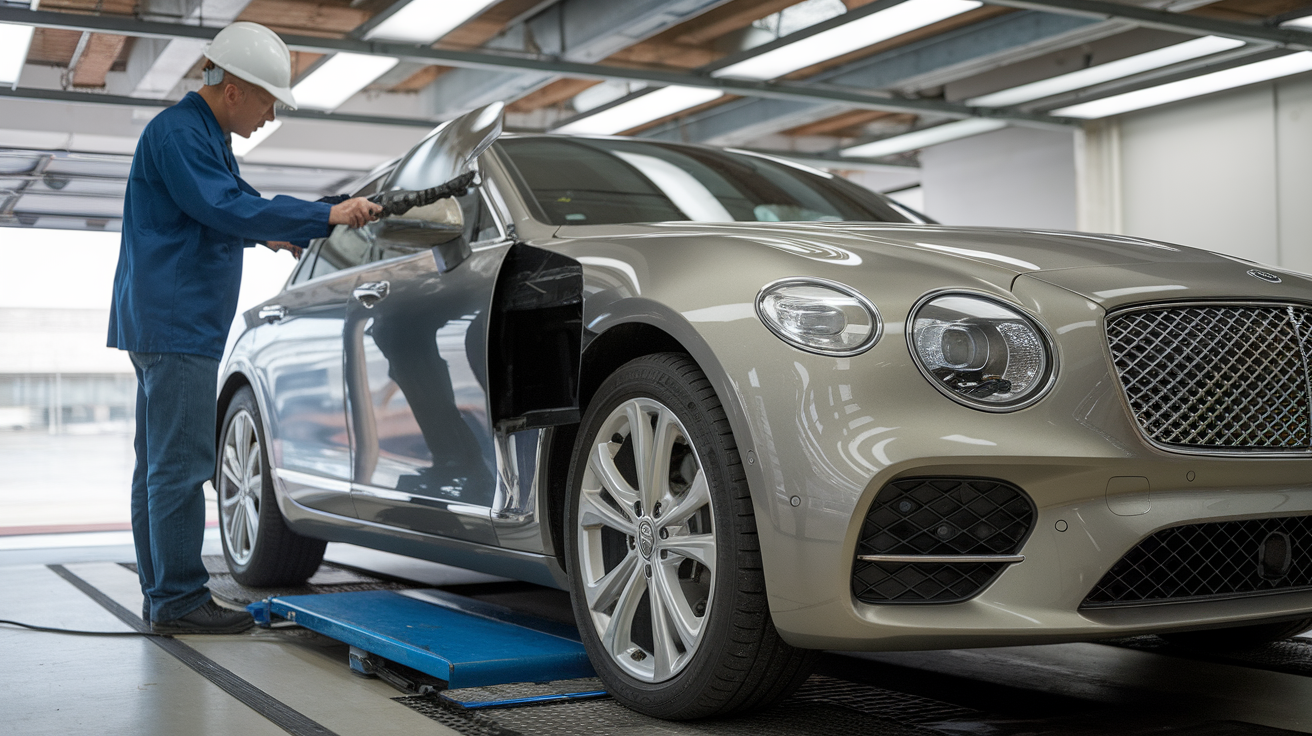
Full Body Panel Inspection for Luxury Cars in Dubai
Some vehicles use aluminium, carbon fibre or finishes that require different assessment methods. Confirm that the Full Body Panel Inspection can cover the model and materials before booking. Considerations for Specialist Materials and Finishes
- Carbon Fiber and Aluminum Panels
Check for visible damage and repair signs using methods suitable for the material. Some concerns require specialist assessment.
- Unique Paints and Finishes
Look for finish differences and interpret measurements using a suitable tool and comparison areas. A paint gauge does not identify colour differences.
- History of Hidden Accidents
Repair signs may affect a buying decision. Ask which areas can be checked and what remains concealed.
- Sensitivity of the Resale Market
Keep the report and available repair records. They describe the evidence available, but do not guarantee originality or a future sale price.
A Full Body Panel Inspection should state its findings and limitations, including any material or area that requires a specialist test.
Cost of a Full Body Panel Inspection in Dubai
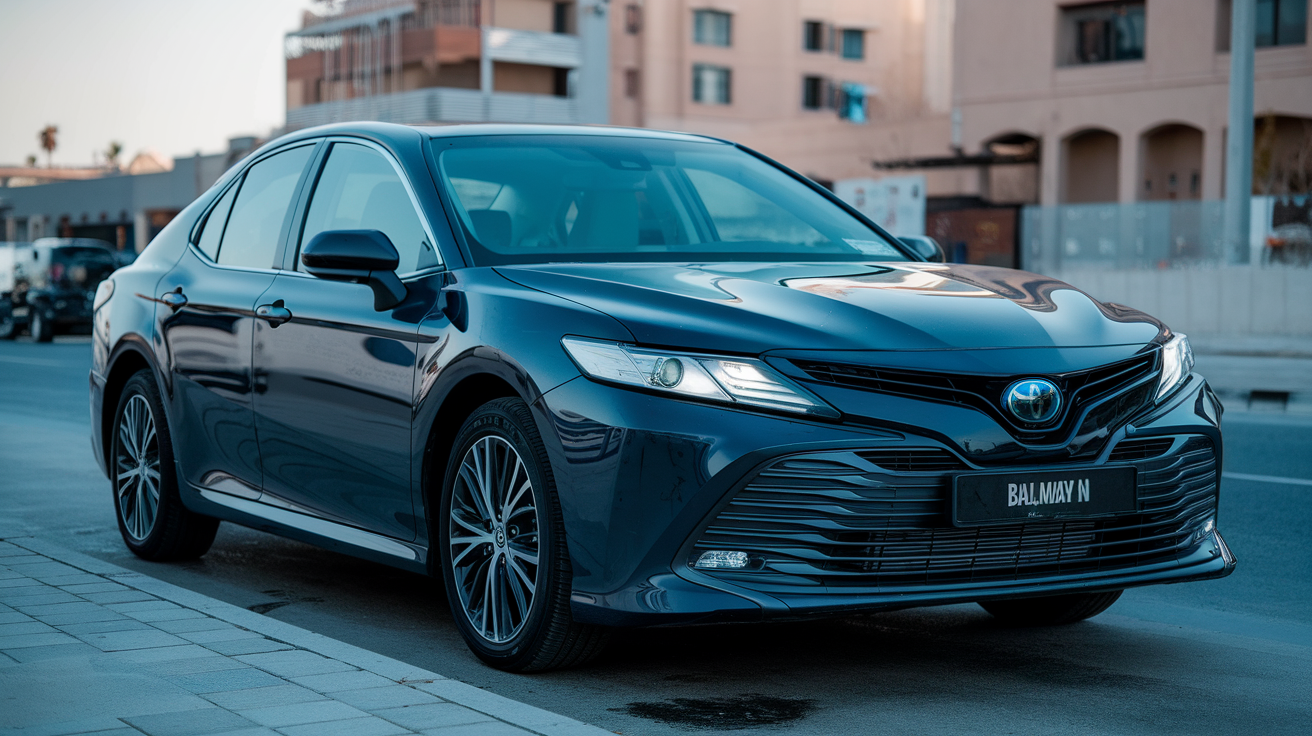
Ask for a quote based on the vehicle, location and checks included in the Full Body Panel Inspection. Confirm whether structural measurements or additional access cost extra.
Typical Costs & Benefits
- Between 400 and 900 AED, Based on the Type of Vehicle
Because they use more sophisticated materials and undergo more inspections, SUVs, sports cars, and luxury cars are more expensive than standard sedans and hatchbacks. - What the Price Includes
Packages may cover panel condition, paint readings, glass and accessible repair signs. Ask which checks are included and which need a separate appointment.
Compare the cost of a Full Body Panel Inspection with the checks and reporting provided. A higher point count or price alone does not tell you how thoroughly the car can be assessed.
Using the Findings Before You Buy
A Full Body Panel Inspection can identify signs of repainting, panel replacement and visible repairs. Uncertain or concealed areas should be clearly recorded.
Discuss significant findings before paying for the car. A Full Body Panel Inspection report can help you request repair records, obtain an estimate or decide that more testing is needed.
Arrange a Check Before Agreeing on the Purchase Send Inspector the vehicle details and location. We’ll confirm the included body and paint checks, access requirements and quote.