
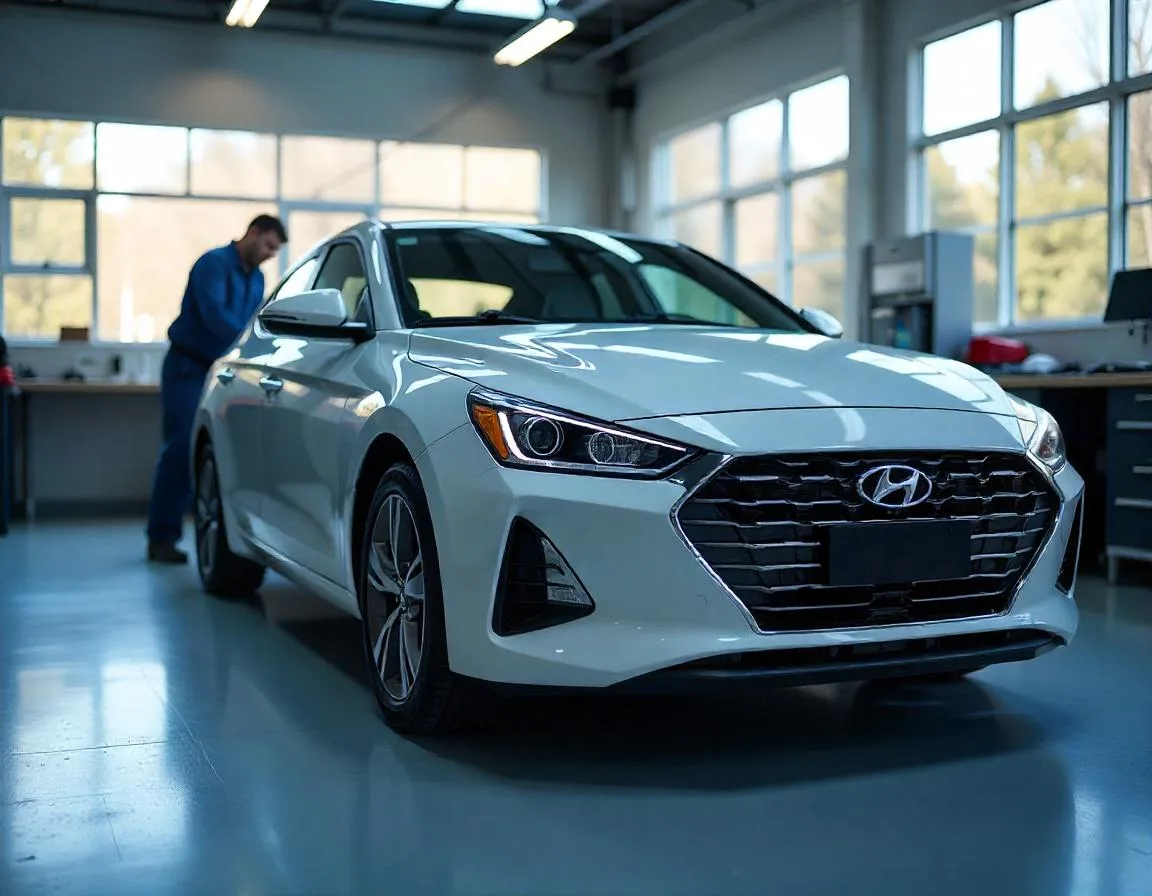
Hyundai Inspection in Dubai
Check a Hyundai before buying, selling or planning maintenance. Inspector reviews the agreed bodywork, mechanical condition, gearbox operation, diagnostic information and fitted features. A permitted road test helps assess driving symptoms. The report explains findings and any further checks needed.
Start with the decision you need to make
A broad checklist can miss the issue that matters most. Tell us whether you are buying, reviewing ownership condition, investigating a warning, or checking recent repair work.
The exact model, specification, location, symptoms, and available history shape the right scope. Compare the wider car inspection services in Dubai if you need a different inspection.
What your Hyundai inspection can cover
Coverage depends on the car and booked package. These systems form a practical framework without promising that every component will be dismantled or tested.
Bodywork and previous repairs
We compare panel alignment, finish, glass, lamps, accessible seams, fasteners, and other repair clues. If previous repair could change the purchase, consider an accident damage inspection.
Engine and cooling
We assess starting behavior, visible leaks, accessible fluids, mounts, hoses, cooling performance, and abnormal noise under the available conditions.
Automatic and DCT behavior
We interpret engagement, shift quality, shudder, warnings, and road behavior against temperature, route, and test limitations.
Steering and suspension
We compare tire wear, accessible joints, dampers, bushings, steering response, and noises that may need lift access or focused diagnosis.
Brakes and restraints
Accessible brakes, pedal feel, warnings, seat belts, and visible restraint evidence contribute to the safety picture. If road-use risk is the main goal, consider a car safety inspection.
Diagnostics and equipment
We review module communication, present and stored faults, warnings, controls, climate functions, and fitted driver-assistance features. A warning-led concern may need car computer diagnostics.

Confirm the exact Hyundai before testing
Year, generation, engine, transmission, drivetrain, market specification, and equipment level determine what is fitted and which checks matter.
Powertrain and technology checks by Hyundai model
Hyundai vehicles can use conventional gas engines, turbocharged applications, automatic and dual-clutch transmissions, hybrids, and battery-electric platforms. We match the inspection to the actual configuration.
Automatic and dual-clutch operation
Engagement delay, shudder, harsh changes, or temperature-related behavior can require a controlled road test and deeper diagnosis. A short drive or clean scan cannot exclude every internal fault.
Interpret behavior and data togetherTurbo and cooling checks
Where fitted, we observe accessible intake and cooling parts, visible leaks, smoke, noise, and relevant scan data. Internal component condition can require testing beyond the inspection.
Do not infer hidden condition from appearanceHybrid-system checks
For Kona, Tucson, or Santa Fe hybrid variants, we first confirm the powertrain. Warnings, cooling paths, accessible battery data, and gas-engine behavior need hybrid-aware interpretation.
High-voltage systems require safe accessEV and charging checks
For IONIQ 5, IONIQ 6, Kona EV, and other electric models, useful evidence can include charge-port condition, warnings, available battery information, thermal-management observations, and visible underbody condition.
A basic scan is not a battery guaranteeCheck the fitted safety and comfort features
Equipment varies by year, trim, and market. We identify what is fitted, then record accessible condition and function without treating a dashboard demonstration as proof of full calibration.
Airbags and restraints
We review warning-lamp behavior, seat-belt operation, and accessible interior or repair clues. Hidden restraint components, deployment history, and coding concerns may require further diagnosis.
Cameras and parking assistance
Where included, we check the camera image, parking-sensor response, screen, and visible sensor areas. Dirt, paintwork, bumper repair, alignment, wiring, and faults can affect operation.
ADAS warnings and calibration
Lane, collision, blind-spot, and cruise-assistance functions depend on specification and safe test conditions. Windshield, bumper, alignment, or collision work can create a calibration question requiring controlled equipment.
Tires, brakes and stability
Tire specification and wear, accessible brakes, pedal response, and warnings contribute to safety. One tire measurement or code is not a roadworthiness verdict. For deeper checks, use a tire condition inspection.
Lighting and visibility
We check accessible lights, lenses, washers, wipers, mirrors, and windshield condition. Condensation, replacement evidence, poor beam appearance, or cracking may need further review.
Keys and security functions
We confirm supplied keys and test normal lock, unlock, and start functions. A missing spare, intermittent smart key, or accessory can affect ownership planning.
Why the Hyundai road test matters
A drive connects static observations with real behavior when permission, insurance, condition, traffic, and route safety allow it. The report should state whether a drive occurred and the conditions reached.
Before movement
We consider warnings, tire condition, fluid loss, seat and mirror position, and basic controls before moving. A serious concern can stop the road test.
Safety determines whether testing proceedsLow-speed behavior
Where the route permits, we observe initial engagement, steering effort, braking, driveline take-up, turning noises, and low-speed transmission behavior.
Record when the symptom occursBehaviour during normal driving
We assess ride, tracking, vibration, braking feel, engine response, and shift quality within legal and safe limits. Traffic and road surface can mask or exaggerate symptoms.
One drive cannot reproduce every complaintAfter the drive
After driving, we compare fresh warnings, odors, fan operation, leaks, and changed noises with the pre-drive state. This still does not replace dismantling or pressure testing.
Compare readings before and after drivingCompare the Hyundai’s condition and readings
No single method proves an entire vehicle healthy. We match inspection methods to your question and compare their results.
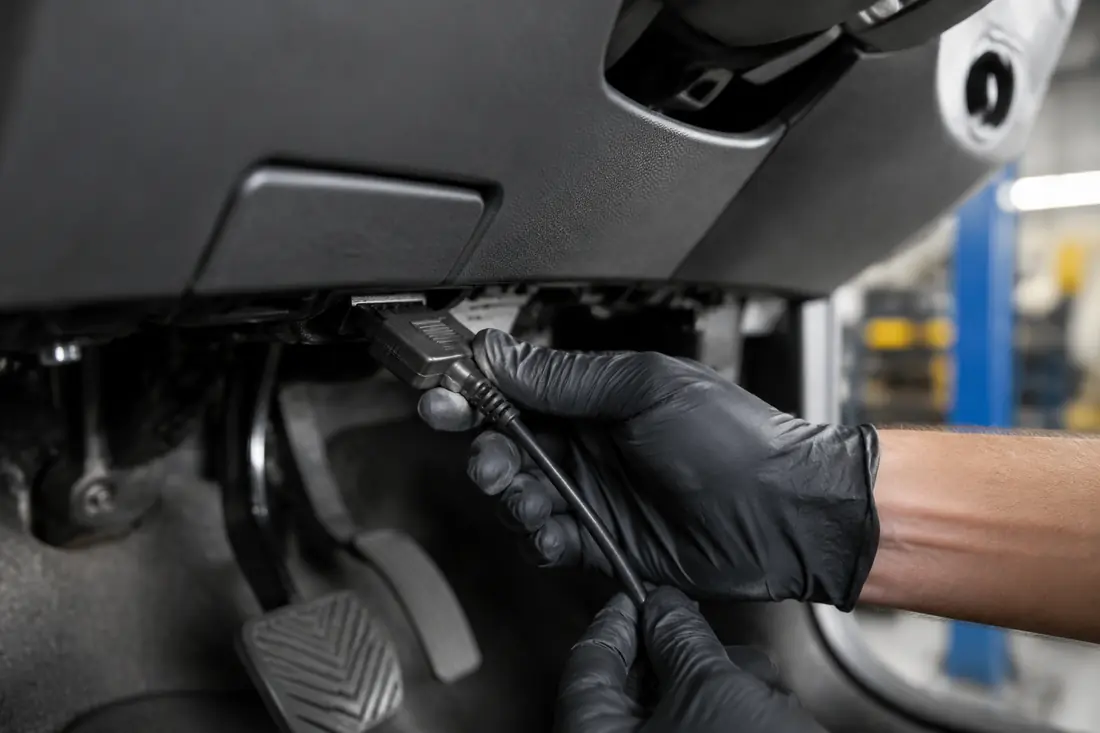
A scan supports the inspection
Module access and stored data add context, but electronic evidence must be compared with physical condition, symptoms, and the test environment.
| Type of check | What it can support | Important limitation |
|---|---|---|
| Visual inspection | Accessible leaks, damage, wear, repair clues, fluid condition and component mounting. | Hidden areas and internal condition remain outside direct view. |
| Functional checks | Controls, lighting, climate operation, windows, locks, cameras and fitted convenience equipment. | Intermittent faults may not occur during the appointment. |
| Diagnostic scan | Module access, active or stored faults and selected live data where compatible. | Mechanical faults may produce no code. Compare codes with symptoms and physical checks. |
| Road behavior | Steering, braking, ride, noise, vibration, engagement and shift behavior within a safe route. | Permission, traffic, vehicle condition and route length can restrict the test. |
| Document review | VIN details, service dates, recorded repairs and supplied ownership records. | Missing records are uncertainty, not automatic proof of poor condition. |
Choose workshop or mobile access for the Hyundai
Both settings can be useful. Choose according to the evidence required, site conditions, permissions, and vehicle condition.
Workshop inspection
Workshop access can suit questions needing controlled light, lifting, or a safer physical-check environment.
Suitable equipment can improve views of the underbody and some components.
Lifting does not mean dismantling, measuring internal wear, or identifying every leak source.
Mobile Hyundai inspection
A mobile visit can suit a Hyundai at a seller, dealer, or suitable private location. Review the mobile car inspection in Dubai details for access requirements.
The location needs permission, safe space, light, suitable weather, connectivity, keys, and road-test availability where included.
Underbody visibility and dynamic testing may be restricted without workshop access.
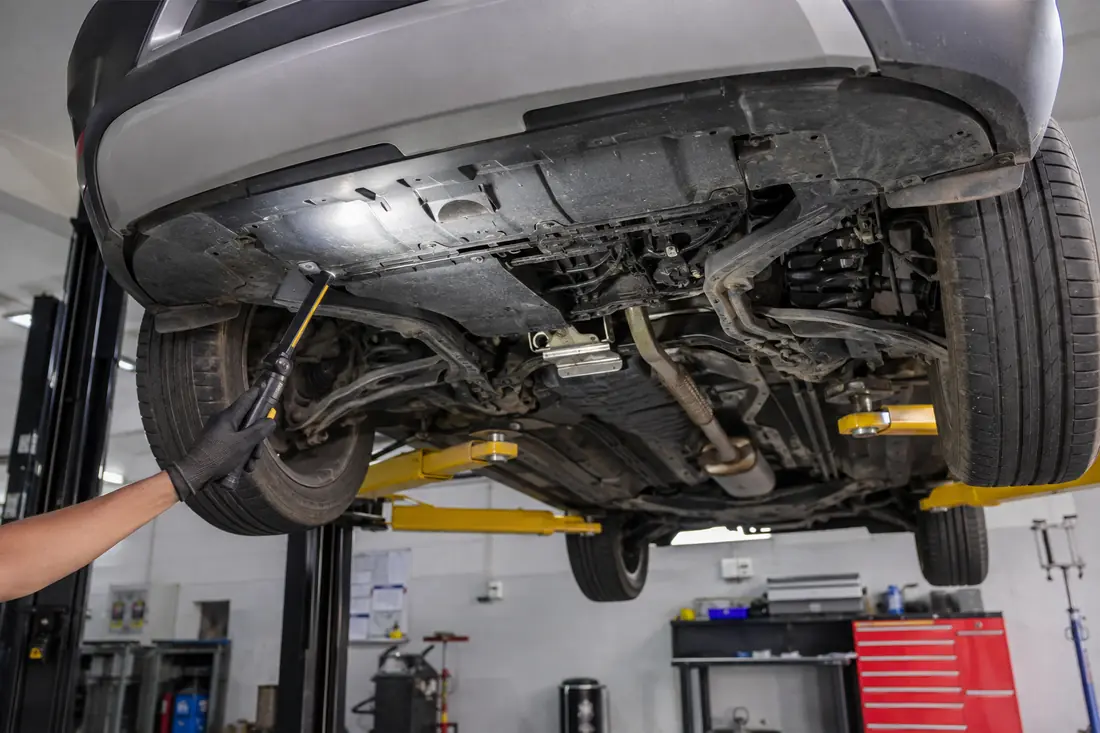
Lifting changes what can be seen
Lift access can improve underbody visibility, but covers, sealed assemblies, and internal parts may remain outside the agreed scope.
What a Hyundai hybrid or EV inspection can tell you
Hybrid and electric do not describe one identical system. We identify conventional hybrid, plug-in hybrid, or battery-electric configuration, then confirm available charging and high-voltage checks.
Readings that may be available
Evidence can include warnings, charge-port and cable condition, visible underbody areas, cooling paths, collision or water clues, 12-volt battery behavior, and compatible diagnostics. Plug-in hybrids also need combustion-engine context.
Displayed range and charge level change with temperature, driving history, climate use, and software estimates. One successful charging session does not prove battery capacity, every charging speed, or internal cell condition.
If battery condition could change your purchase, ask which health data or specialist test is available for the exact vehicle. The report should separate retrieved data from assumptions.
Hyundai models that need different inspection priorities
Confirm the generation, specification, drivetrain and history. Cars in the same model family can have different wear or problems.
Concerns to discuss before the Hyundai inspection
Dubai heat, traffic, previous repairs, and individual use can change inspection priorities. Describe the symptom instead of requesting one predetermined part verdict.
Cooling and air conditioning
Report weak AC, temperature changes, coolant loss, fan behavior, or warnings in traffic. A functional observation can justify deeper testing without proving an internal cause.
Transmission behavior
Explain whether hesitation, shudder, or delayed engagement occurs cold, after traffic, or during acceleration. Temperature and route matter, especially with a DCT.
Tires and alignment clues
Uneven wear, steering pull, and vibration can relate to pressure, alignment, wheel damage, suspension wear, or impact. The report should not reduce several causes to one assumption.
Electronic warnings
Photograph warnings before they disappear and mention recent battery work or code clearing. Stored data adds context, while intermittent faults may remain inactive.
Oil and fluid checks
Accessible fluid levels, visible leaks, and fluid condition can be recorded. Fresh oil or a cleaned engine bay does not prove internal condition or full service history.
Previous body repair
Paint differences, panel gaps, glass dates, and disturbed fasteners can justify review. Cosmetic work is not automatically structural damage, and concealed repairs can remain inaccessible.
Compare the seller’s story with the Hyundai
Registration details, service records, physical condition, road behavior, scan evidence, and seller statements should make sense together.
Low mileage does not automatically prove low wear, and a clean body does not prove no prior repair. Buyers can compare the pre-purchase inspection approach and multi-point inspection coverage.
Turn the Hyundai report into clear priorities
A useful report separates observed condition, diagnosis needs, timely attention, verification, and unavailable checks. The detailed car inspection report guide explains how to read the findings and recommended actions.
Buyers should prioritize safety, repair exposure, and unresolved seller-description differences. Owners can group findings into urgent work, planned maintenance, diagnosis, and monitoring.
Normal wear is not confirmed failure. A stored fault may not be active, and a clean scan does not prove every mechanical or high-voltage system is healthy.

What affects Hyundai Inspection in Dubai cost
There is no responsible single price for every Hyundai. Confirm the current quotation, VAT treatment, location, included checks, and report format for the actual vehicle.
Compare the written scope, not only the price. Confirm diagnostics, road test, lift access, paint checks, photos, report format, delivery time, and exclusions.
Inspection purpose
A pre-purchase assessment, ownership review, and focused warning investigation need different methods.
Model and powertrain
An Accent, turbocharged Tucson, hybrid Santa Fe, and IONIQ 5 do not require identical capability or access.
Diagnostic depth
Basic code reading differs from symptom-led testing, data interpretation, and specialist procedures.
Location and access
Mobile attendance, workshop lifting, seller coordination, and a permitted road test change what can be delivered.
Vehicle condition
Warnings, collision evidence, modifications, or incomplete records may require additional investigation.
Report requirements
Verbal findings, a written report, priority grading, and follow-up explanation are different deliverables.
Hyundai Inspection in Dubai questions from customers
Can you inspect a Hyundai at the seller’s location?
A mobile inspection may be available at a suitable location with owner permission, safe space, adequate light, keys, and agreed road-test access. Confirm availability and limits when booking.
Does a Hyundai inspection include a diagnostic scan?
Diagnostic scanning may be included depending on package and compatibility. We interpret scan results with physical findings and symptoms.
Can an inspection confirm previous accident damage?
An inspection may identify finish variation, alignment differences, or disturbed fasteners. It cannot prove complete vehicle history or reveal every concealed repair.
Can you inspect Hyundai hybrid and electric models?
Confirm capability for the exact model and powertrain before booking. High-voltage condition cannot be reduced to a basic code scan or battery percentage.
Does a passed inspection guarantee future reliability?
No. Inspection records evidence at one time under agreed conditions. Components can fail later, and hidden or intermittent problems may not appear.
What should I send before booking?
Share model, year, mileage, VIN if available, location, purpose, warnings or symptoms, modifications, and whether the seller permits diagnostics and a road test.
What should the booking confirmation include?
Ask for current price and VAT treatment, duration, mobile or workshop setting, diagnostics, road test, lift access, paint-depth checks, photos, report format, and delivery time.
Book a Hyundai Inspection in Dubai
Send the vehicle details, location, and decision you need to make. Inspector can confirm the right scope, availability, current price, and limitations. You can also request a Hyundai inspection appointment online.