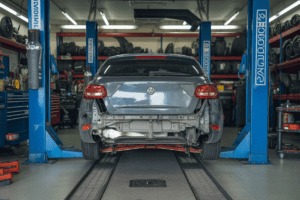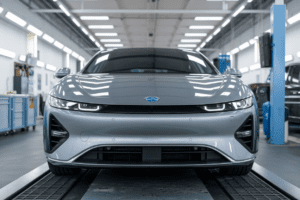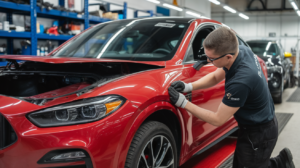
What happens when your dream electric car starts acting strange right after the test drive? You are not alone. In the UAE, where hybrid and electric vehicles are picking up speed faster than ever, many buyers skip one critical step: a proper EV inspection. And that mistake? It can cost more than just a weekend headache. Battery issues, hidden software faults, and overheating in the Dubai heat do not exactly show up on the surface. If you are eyeing a smooth ride, you better know what to look for before handing over the cash.
Why Hybrid & Electric Car Inspections Matter in the UAE
Let’s be honest, buying a hybrid or electric car in Dubai without an inspection is like diving into the Arabian Gulf without checking the tide. Sounds exciting, but risky. Hybrid car inspection in Dubai is not just a checklist; it is self-protection. Because of the climate here? It is unforgiving. Battery packs, inverters, ECUs, and even charging ports take a real beating in 40+ degree heat. Unlike standard petrol engines that were born to suffer in harsh conditions, EVs and hybrids? Not so much. Their systems are highly sensitive to thermal stress, and when electronics heat up, performance quietly slips. Here’s what most drivers do not realize:
- Battery health can drop drastically in the UAE’s brutal summers. Constant AC use, stop-start traffic, and solar load? It slowly fries battery capacity.
- Electronics & sensors inside EVs are not sandproof. A short drive across Al Qudra or Jebel Ali can send fine dust into places it should never be.
- The regenerative braking system, a key hybrid feature, can degrade faster under long-distance heat cycling, especially on desert roads where braking patterns shift.
Then there’s the real-world stuff: Have you ever charged a car outdoors at 3 PM in July? That cable is almost too hot to touch. Charging ports warp, insulation breaks down, and cables stiffen. None of this shows up in a typical test drive. And dealerships? They are not going to tell you this.That’s why a pre-purchase EV or hybrid car inspection in Dubai is not optional. It is essential. It helps you uncover issues that only show under local conditions, not factory defaults.
Quick tip: Never assume the hybrid system is fine just because there are no warning lights. Many EV faults lie deep in software logs, buried under layers of manufacturer code.
In Dubai, where the roads stretch endlessly and the sun rarely shows mercy, skipping the inspection is like buying a watch with a cracked gear; it might tick, but not for long.
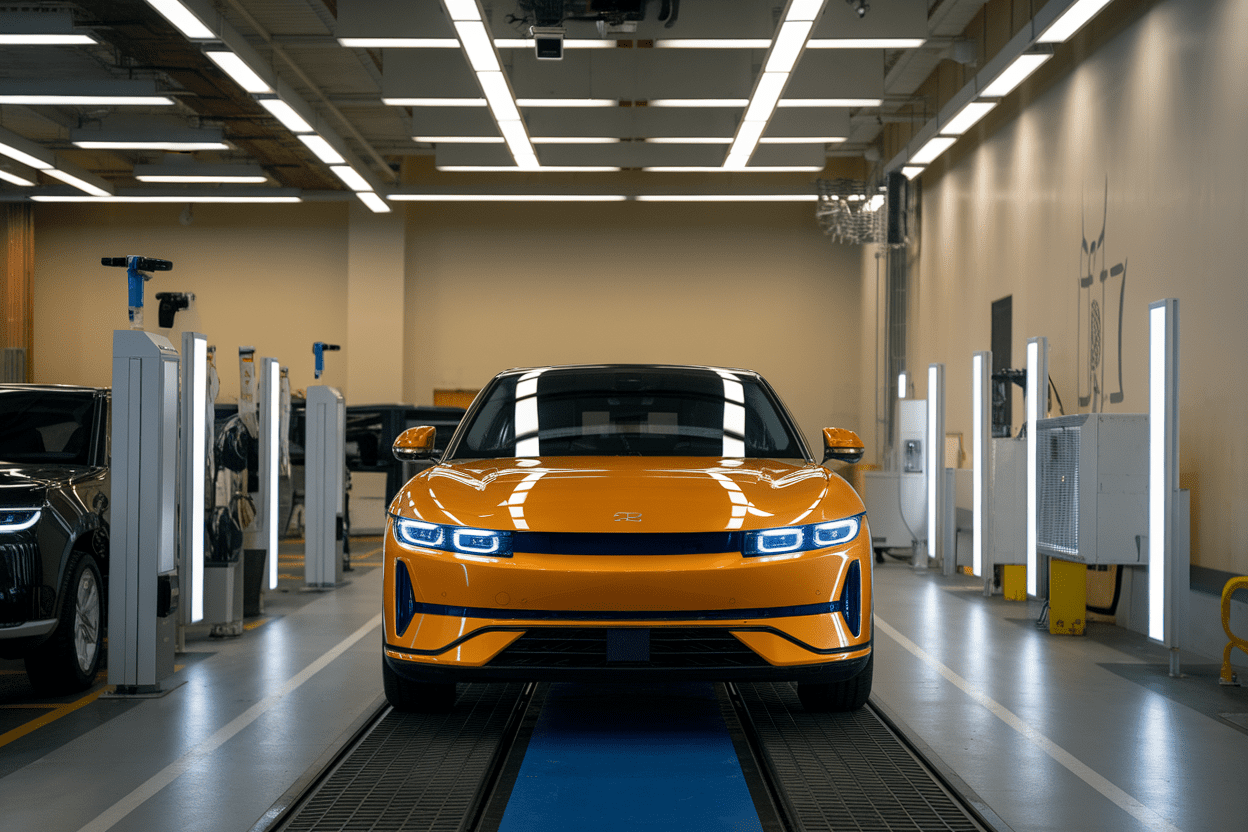
Key Components of an Electric Vehicle (EV) Inspection in the UAE
Buying an EV without checking its inner systems? That’s like investing in crypto without knowing how a wallet works. In a market like Dubai, where dust, heat, and high-speed roads play by their own rules, doing a quick test drive around the block just is not enough. You need a deep, specific, and heat-conscious EV inspection.
A proper EV inspection checklist in the UAE goes far beyond looking under the hood. These machines don’t purr or rattle like petrol engines. They speak in voltage, torque feedback, thermal logs, and hidden software updates. And if you’re aiming for a smart buy, not a flashy regret, this next part matters.
Battery Pack Condition
Let’s start with the heart of every electric car, the battery pack. If it’s weak or degraded, performance drops and range anxiety creeps in fast. Here’s how it plays out in the UAE:
- Extreme heat forces batteries to overwork. That shortens lifespan by 20–30% if not monitored.
- Without a proper battery health scan, you won’t know how many charge cycles are left. And just like hidden battery issues, a body and paint inspection often reveals accident repairs that sellers try to cover up.
- Swollen cells? Reduced capacity? You won’t see these by just turning on the dash.
An inspector should:
- Run a battery performance test under simulated load
- Check for heat fade, cell imbalance, and early signs of degradation
- Review cooling system efficiency, especially after a long idle
Hybrid car inspections in Dubai must include this, no exceptions.
Electric Motor & Inverter Health
The electric motor and inverter are what make EVs hum. Smooth torque and instant acceleration, but only if these parts are working in sync. What needs to be done:
- Electric motor check using real-time monitoring tools
- Inspect for odd vibrations or power surges
- Test torque response during slow and fast acceleration
The inverter? That’s the silent translator between battery and motor. If it’s damaged or running hot, your EV may feel sluggish or, worse, suddenly shut down. Dubai traffic jams at 1 PM? Not the place to find out.
Regenerative Braking System
One of the cleverest parts of hybrids and EVs is their ability to recycle energy during braking. But if the regenerative braking system fails, not only do you lose that energy, but you also overburden the mechanical brakes. How do you test it?
- Observe if the car slows smoothly without pressing the brake pedal
- Monitor regen strength settings through the vehicle display
- Use diagnostics to check if energy recovery is working properly
Regen is subtle, but without it, your range drops fast and your maintenance costs go up.
Charging Port & Cable Check
Overlooked. Underrated. And often damaged. In Dubai’s harsh climate, even charging ports and cables take a hit:
- Rubber seals harden and crack
- Dust buildup interferes with plug fit
- Heat exposure can warp connector pins
A proper hybrid car inspection in Dubai checks:
- Port cleanliness and fit
- Cable insulation and connector wear
- Charging compatibility with local Type 2 / CCS stations
Pro idea: Try charging it on a public charger before buying; test real-world compatibility.
Software, Firmware & ECU Diagnostics
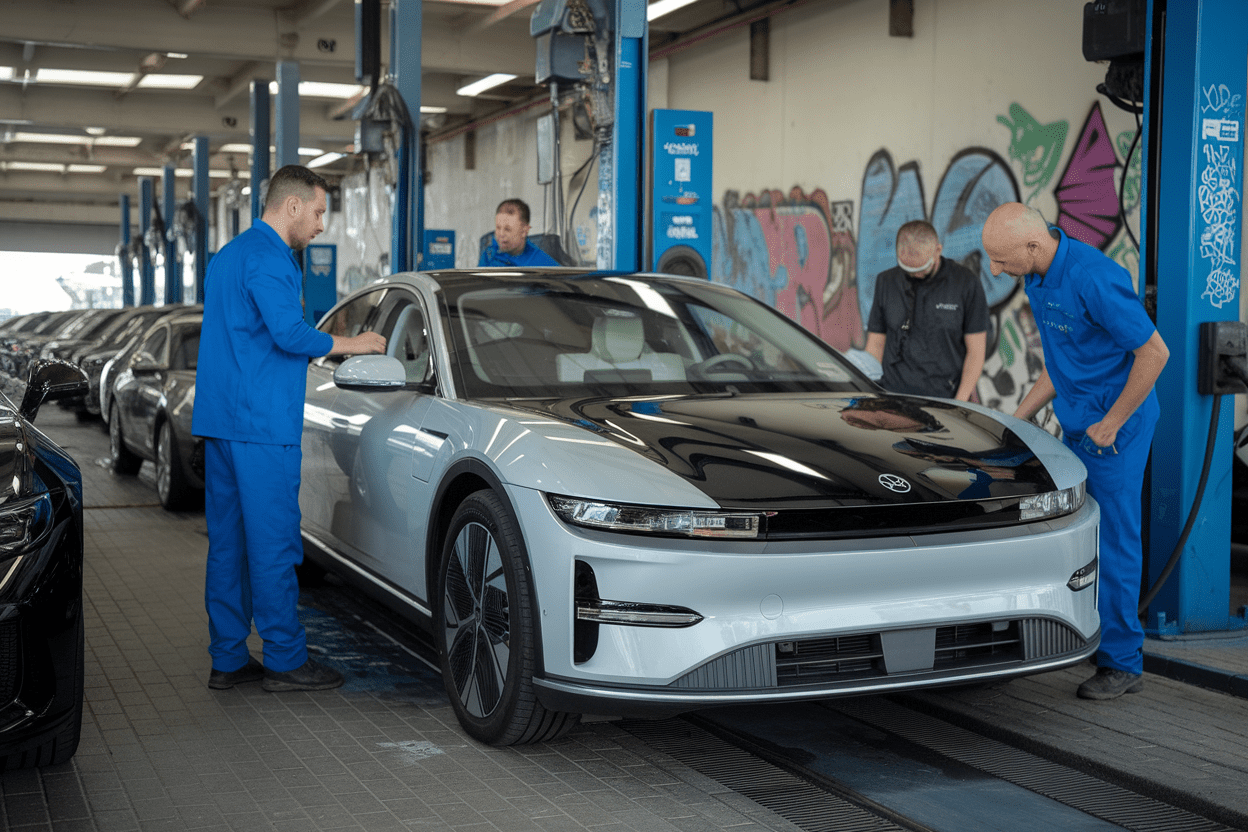
This part? It is the difference between a clean dashboard and a digital nightmare. Most electric vehicles and hybrids are software-heavy. If the firmware is outdated or the system logs are ignored, you’ll be stuck with ghost alerts and weird system resets. Inspectors should:
- Use OBD-II tools made for EV platforms
- Scan ECUs, battery controllers, inverter logs
- Verify that firmware updates are up-to-date.
Some EV brands push silent recalls and software patches; if you’re not plugged into their network, you’ll miss them.
“No fault codes” does not mean “no faults.” Most issues are pending, not obvious.
A surface-level inspection will not cut it, not in this region, not with these cars. If you’re spending real dirhams on a hybrid or electric vehicle, you owe it to yourself to get a complete EV inspection checklist done by someone who actually knows what sand, sun, and traffic do to machines. Always insist on a full hybrid car inspection in Dubai. The difference between a smooth ride and a frustrating ownership experience? It’s hiding in these five components.
Unique Hybrid Car Inspection Points Most Drivers Overlook
Hybrids seem like the best of both worlds: quiet electric drive, backup petrol engine, better mileage… until they start doing weird things you can’t explain. One moment it’s silent, next thing you know the engine kicks in with a jolt, the RPM spikes, and you’re stuck wondering if that’s normal or not.Here’s the tricky part: Hybrid cars are not fully electric, and they’re definitely not traditional petrol either.
They’re a fusion of two powertrains, and when one goes out of sync, even slightly, it messes with the whole driving experience.That’s why a proper hybrid car inspection in Dubai needs extra attention to the interaction between systems, not just isolated parts.
Engine-Assist Transition Test
Ever felt that strange hiccup when a hybrid switches from electric to fuel mode? That’s not your imagination,it’s poor calibration or worn-out hybrid controls. During a hybrid system test, a skilled inspector will:
- Monitor the timing and smoothness of the transition between EV and ICE (internal combustion engine)
- Check how the car handles stop-and-go in hot Dubai traffic,does the engine jump in too aggressively?
- Watch RPM spikes when accelerating under load, especially during mid-speed climbs or overtakes
And here’s something people ignore: a worn-out battery can cause the engine to kick in earlier than it should. That ruins fuel economy and strains the system.
Transmission Health in Hybrids
Unlike conventional cars, most hybrids run on CVT (Continuously Variable Transmission) or eCVT, specialized systems that allow electric and engine inputs to blend power together. But they’re not invincible. Over time, Dubai’s heat and heavy braking can create:
- Fluid breakdown in CVTs, leading to jerky power delivery
- Belt slippage under torque (common in older Toyota hybrids)
- Shifting delays or strange noises during engine-electric switchover
A detailed dual-powertrain inspection should include:
- Scanning for transmission fault codes
- Checking eCVT response time when switching from low to high load
- Listening for grinding or humming sounds at specific RPM ranges
Tip: Hybrids rarely show transmission failures early. But subtle whines or delayed gear engagement are early signs you should never ignore.
So what does this all mean? In a city like Dubai, where highway speeds meet stop-start traffic, and temperatures mess with both fuel and electric systems, you cannot afford to treat hybrids like regular cars.
A complete hybrid car inspection in Dubai must include:
- Real-time transition testing
- Temperature stress checks
- Torque mapping between dual systems
- Transmission adaptation scans
These systems are complex. But when they work, right? Hybrids glide like silk. When they don’t? They eat fuel, wear out faster, and make you second-guess every engine sound.
High Voltage & High Risk | What Most People Miss During EV Safety Checks
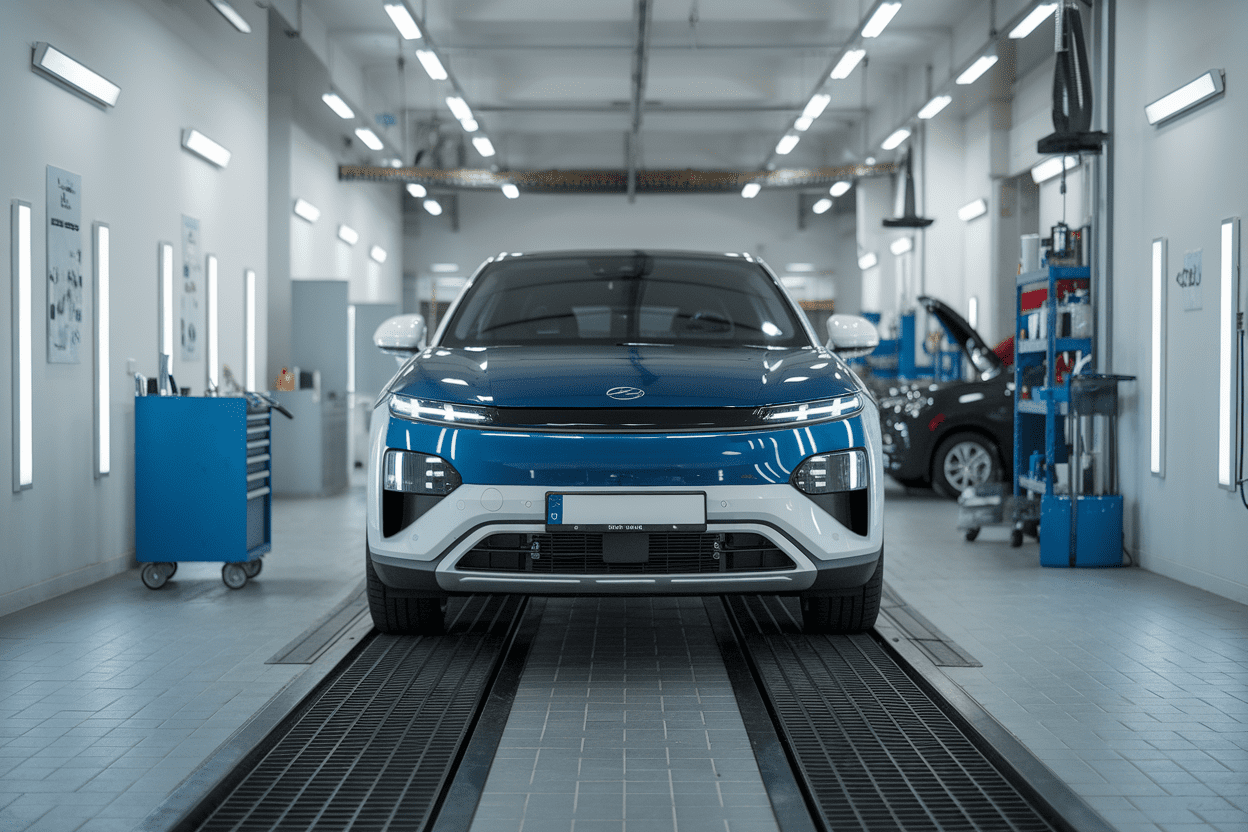
Electric and hybrid vehicles might look clean and quiet, but the high-voltage systems inside can be dangerous if not checked the right way. These systems store and transfer serious power, and if something’s wrong, it won’t show with a quick glance. Every hybrid car inspection in Dubai should include these key safety steps before anyone touches a cable. Here’s where most people skip, guess, or rush:
- Insulation Resistance Test
Measures how well the wires hold their charge without leaking power. In hot UAE weather, rubber insulation can crack or break down over time; this test finds out if the system is still safe to use. - Check the Orange Cables
All high-voltage wiring is covered in bright orange for a reason. Inspectors look closely for cuts, burns, or signs of wear. Even a tiny crack could lead to exposed voltage or fire risk. - Connector Tightness
Every plug or socket connected to the battery or inverter needs a firm seal. Loose connectors might cause electrical arcing, which can burn out systems or damage the car’s software. - Look for Heat Damage
Dubai’s heat is no joke. High-voltage components that sit near the battery or motor can overheat and melt the casing. A proper safety check spots melted plastic, burn marks, or discoloration before failure happens. - Use the Right Safety Gear
No one should inspect or disconnect high-voltage parts without proper gloves, insulated tools, and boots. A hybrid car inspection in Dubai done with bare hands is not just careless; it’s dangerous. - Disable the System First
Inspectors should always remove the service plug and let the system fully discharge. This shuts down the high-voltage loop before anything is touched. Skipping this step can cause serious shock or equipment damage. - Test Battery Isolation
A safe EV battery should be electrically separate from the car’s metal frame. This test makes sure no power is leaking through the chassis, which could lead to silent faults or future safety issues.
Even if everything looks clean from the outside, high-voltage faults usually start with tiny breakdowns inside the system. They’re hard to spot without the right tools, but when missed, they turn into big repairs or safety hazards. In short? If your mechanic is not trained in EV safety, walk away. High-voltage systems should only be checked by inspection experts in Dubai who actually understand EV safety protocols.
Hot Air, Cold Cells | Why HVAC & Battery Cooling Matter in Hybrid Inspections
Most drivers think the AC system in a car is just for comfort. But in a hybrid or electric vehicle, it is doing something far more critical: keeping the battery alive. In Dubai’s extreme heat, if the battery cooling system is not working perfectly, even a short drive can push the pack into overheat mode. That’s when performance drops, warning lights appear, and long-term damage begins. Any proper hybrid car inspection in Dubai must go beyond the vents and test the cooling tech underneath. Here’s what needs attention:
- AC System Health
In hybrids, the HVAC system is often linked directly to the battery’s thermal management. If the AC is weak or not blowing cold fast enough, the battery may not cool properly. Inspectors must test the AC load during both idle and highway RPMs. - Battery Cooling Fans
Many EVs and hybrids use electric fans to pull air across the battery pack. These fans kick in based on temperature, but in some models, they fail silently. A scan tool and test drive are needed to trigger fan response and measure output. - Coolant Levels & Flow
Just like a fuel engine, hybrids use coolant for thermal control. If levels are low, or if air bubbles are trapped in the lines, battery heat builds up. Mechanics check the reservoir, bleed the system if needed, and confirm consistent flow. - Radiator & Condenser Check
Dust and sand buildup, common in the UAE, can block airflow. An inspector should look for clogged fins, broken fans, or dry hoses that could affect battery and AC efficiency. - Compressor Response Time
Some hybrid models use electric compressors. These need to be quiet, quick to start, and steady under pressure. A delayed start or loud hum might mean the compressor is wearing out, especially in older hybrids exposed to heat year-round.
“If your AC struggles during the test drive, your battery is probably struggling too; you just can’t feel it yet.”
In a city where 40°C is normal, HVAC is not just a luxury; it is lifesaving for the battery. And since most hybrids use shared cooling circuits, even a small leak or AC delay can cause long-term battery wear. A complete hybrid car inspection in Dubai must include HVAC load tests, fan checks, and coolant flow diagnostics. Anything less is just guessing in the heat.
What’s Hiding Underneath? Underbody & Suspension Checks for UAE Roads
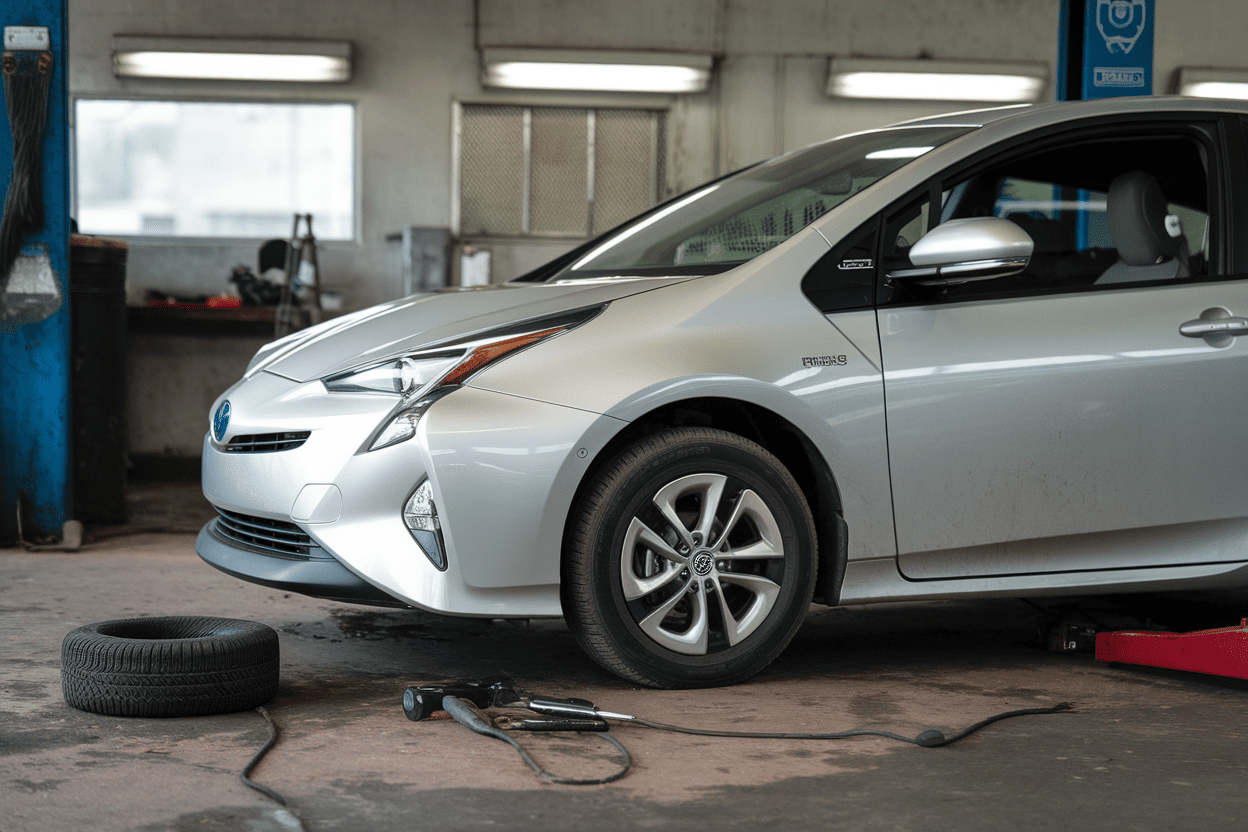
Dubai roads might look smooth in the city, but take a wrong turn into a construction zone, hop a curb in tight parking, or drive out toward the dunes, and your car’s underbody pays the price. That’s especially true for hybrid and electric vehicles, where vital components like battery shielding and suspension mounts live low and exposed. A smart hybrid car inspection in Dubai always includes a full underbody review, not just a peek under the hood. Here’s what needs to be checked before anything is called road-ready:
- Chassis Rust Spots
While Dubai doesn’t get snow or salt, rust still creeps in, especially in coastal areas or from salty groundwater in underground parking. Inspectors look for bubbling paint, surface corrosion, or exposed welds near the underbody and wheel wells. - Battery Shield Condition
The battery pack usually sits beneath the floor in most hybrids and EVs. It’s covered by a metal or composite shield, but that shield can get dented or scraped by curbs, speed bumps, or sand ridges. A cracked panel or missing bolts can expose the pack to damage from road debris or water. - Suspension Stress Check
Rough shoulders, aggressive ramps, and heat-expanding asphalt all beat up your suspension. Inspectors look for worn-out bushings, cracked rubber joints, and bent arms or mounts, especially in front strut towers and rear control links. They also listen for creaks and knocks on slow turns. - Bushing & Joint Wear
Rubber bushings degrade faster in heat. Cracks, stiffness, or drying out leads to noise and loose handling. These might not be obvious on a short test drive but show up clearly when lifted and inspected visually. - Cooling Line Protection
Some EVs and hybrids run coolant lines underneath the cabin floor to control battery temp. These lines must be protected and sealed. Any impact or exposure to sharp debris might cause hidden leaks that lead to future overheating.
“Underbody damage won’t light up your dashboard. But it’s where the long-term trouble begins.”
Whether it’s a Tesla, a Toyota Hybrid, or a used Nissan Leaf, every hybrid vehicle has critical systems hidden below. If you’re buying or inspecting one in the UAE, it’s not optional; a full underbody and suspension check is non-negotiable.No proper hybrid car inspection in Dubai should skip this step. What you can’t see from above is often what breaks you down later.
Inside the Drive | Interior System Checks & Road Testing for Hybrids in the UAE
Think a good interior means just clean seats and working AC vents? Not with hybrids and EVs. These cars rely heavily on screens, sensors, and software, not just engines and axles. From infotainment glitches to misleading range predictions, one small bug in the system can throw off your entire experience. That’s why any proper hybrid car inspection in Dubai needs to go beyond physical parts and include what’s happening inside the dashboard and out on the road.
Interior System Diagnostics
The cabin in a hybrid or electric car is more than just a cockpit; it’s a live feed of the vehicle’s power, balance, and health. Here’s what to check before anything else:
- Infotainment System Functionality
The screen should boot quickly, respond without lag, and allow smooth control over all settings. Some hybrids suffer from slow touch response or freezing displays, often due to outdated firmware or overheating processors. - Range Estimator Accuracy
In Dubai’s traffic, inaccurate range predictions can leave you stranded. Inspectors look for sudden range drops or unstable readings during a short drive. An erratic estimator usually signals battery calibration issues. - Dashboard Warning Alerts
A quick start-up check must include reviewing all alerts. Hidden system faults, like inverter overheating or battery sensor errors, might not trigger until under load. A full scan should catch these before they become real problems. - Energy Flow Display
Many hybrids feature real-time graphics showing whether power is coming from the battery or engine. If this display lags, freezes, or shows incorrect info, it may be tied to ECU faults or outdated software. - App & Connectivity Test
Mobile apps let owners monitor charge, pre-cool cabins, or track range. A solid hybrid car inspection in Dubai checks whether these apps connect without delay and sync data in real time. Broken Bluetooth? No push alerts? It needs fixing before purchase.
Road Test for Hybrid & Electric Cars
No scan tool or visual check replaces a proper on-road test. This is where real behavior shows itself. Especially in Dubai, where roads vary fast,from Sheikh Zayed speeds to tight parking ramps, you need to see how the car reacts when pushed.
- Acceleration Smoothness
In electric mode, acceleration should be seamless. If there’s hesitation, lag, or jerking, the battery or motor may be under strain,or the software may be struggling to sync power delivery. - Regenerative Braking Feel
Regenerative braking should slow the car smoothly when easing off the pedal. In some hybrids, weak or missing regen shows up only during test drives. Inspectors watch for lurching or unbalanced deceleration. - Cabin Noise Under Load
Hybrids are quiet by nature. So any rattling, whirring, or humming during acceleration is a red flag. These noises often signal suspension stress, fan imbalance, or failing e-motor bearings. - Throttle-to-Wheel Feedback
The power from your foot should translate directly to the wheels. If there’s delay, overshoot, or twitchy response, that’s a drivetrain sync issue. Worse in city traffic where quick response is crucial.
“No hybrid should feel confused between power sources. If it hesitates or surges, something’s not syncing right.”
If you’re buying a hybrid, do not trust a clean dashboard or smooth showroom talk. The tech inside the car, and how it behaves on real UAE roads, is what decides whether it’s a smart deal or a future headache.A true hybrid car inspection in Dubai always includes system diagnostics and a full road test. Many buyers prefer a complete 125-point inspection to uncover faults hidden behind software and sensors. Skip it, and you’re just buying the brochure, not the car.
Not Just Wrenches | Tools You Actually Need for EV Inspections in the UAE
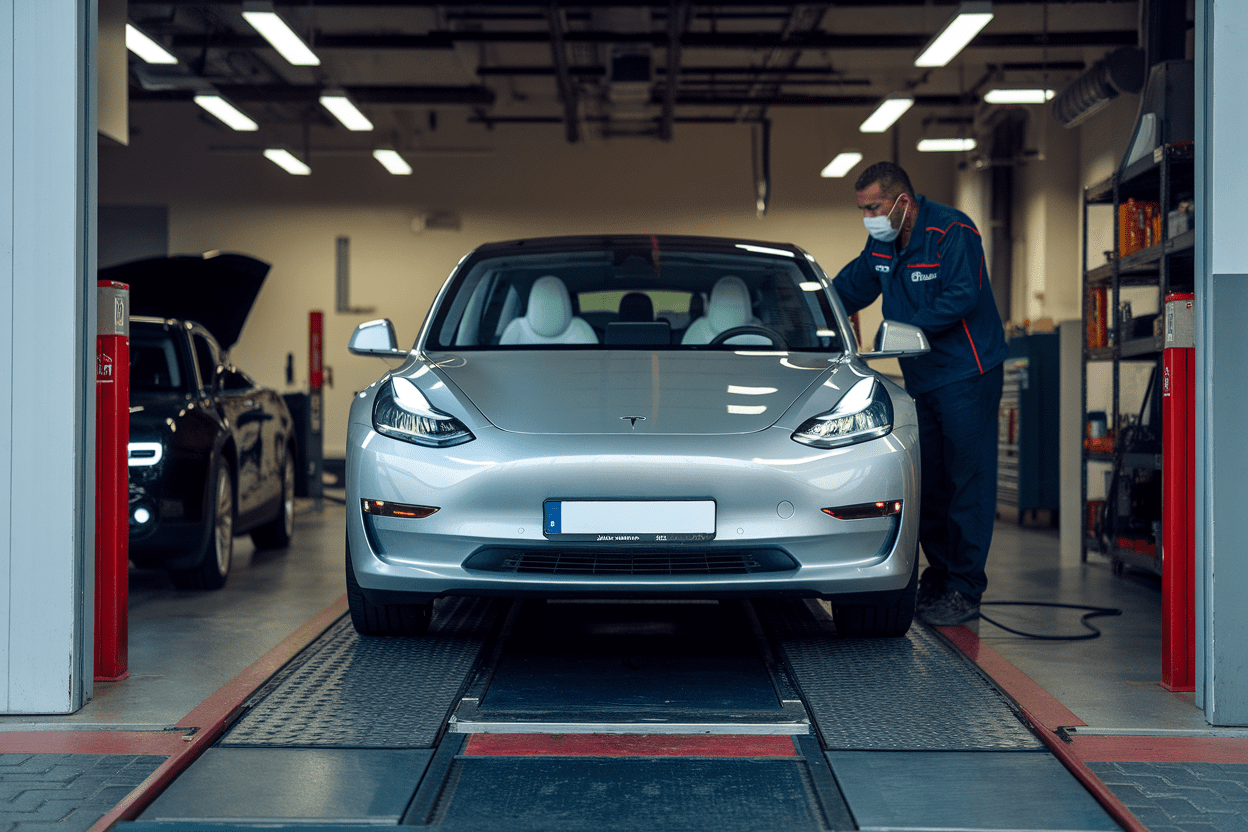
Here’s the thing,hybrid and electric vehicles don’t play by old-school rules. You can’t just pop the hood, poke around with a flashlight, and expect to find what’s wrong. These machines run on software, voltage, and sensors, not just fuel and gears. That means inspecting them,especially under UAE driving conditions,needs a new set of tools. And no, a regular OBD scanner is not enough.If someone’s offering a hybrid car inspection in Dubai without these tools, it’s just guesswork with a fancy clipboard.
- Thermal Imaging Camera
These cameras detect heat points across the battery pack, inverter, and electric motor. Why does that matter? Because heat reveals what words won’t. A weak battery module, blocked fan, or overheating cable? All show up on a thermal scan,especially important in Dubai, where temperatures easily touch 45°C. A proper inspection includes hot-spot mapping after the test drive. - High-Voltage Gloves & Safety Gear
You cannot see electricity, but it can knock you flat if you skip safety. Any inspection of high-voltage systems (like battery terminals or orange cables) requires insulated gloves rated for at least 1000 V, plus boots and disconnect tools. Real EV techs suit up before they touch anything under current. No gear & no real inspection. - EV-Specific Scanning Software
Generic code readers miss EV-specific fault logs. You need software tailored to each manufacturer: Toyota Hybrid Techstream, Tesla Toolbox, Nissan Consult, etc. These tools access deep battery health data, motor calibration settings, and regen system logs. That’s where real answers live, not in the basic warning light history. - Portable Battery Tester
These handheld devices simulate charging and load to test how well the high-voltage battery performs under pressure. In hot conditions like Dubai’s mid-afternoon heat, they reveal early degradation, low cell voltage, and poor pack response, none of which you’d catch by just turning on the car and revving it once.
“Most EV faults don’t scream; they whisper. You need the right tools to hear them.”
With hybrids and EVs, you’re not just checking what’s diagnosing what’s silently about to fail. And when the sun’s baking the highway and the AC’s on full blast, trust me, those silent faults show up quick. Every hybrid car inspection in Dubai must be backed by proper EV-specific tools. Without them, it’s not an inspection; it’s a guess in a heatwave.
Hidden Trouble | Common Problems Found During Hybrid Car Inspections in the UAE
You can detail it, polish it, and even take it for a test drive,and still miss what really matters. Hybrid and electric vehicles often hide issues deep inside their systems. In a place like Dubai, where extreme heat, sand, and long-distance driving stress every part of the car, these problems show up faster,and hit harder.Here are the most common issues found during a proper hybrid car inspection in Dubai,the ones most buyers overlook until it’s too late:
- Battery Overheating
The number one silent killer in hybrids. In the UAE’s heat, even a healthy battery can start to fade early if the cooling system is weak or blocked.- Fans clogged with sand
- Coolant levels low
- Poor airflow in underground parking
- Battery casing too hot to touch after short drive
A thermal scan usually catches it,but only if the car’s tested under real heat.
- High-Voltage Leakages
You won’t feel it until something goes wrong. Small cracks in insulation or damaged orange cables cause voltage to escape.- Can trigger safety shutdowns
- May cause strange ECU errors
- Dangerous for technicians if not handled properly
Leakage is detected through insulation resistance testing, not visible to the eye.
- Poor Regenerative Braking Performance
Regenerative systems wear out too,but silently. Over time, you lose energy recovery and rely more on friction brakes.- Reduced battery range
- Inconsistent slowing
- No regen feel when lifting off throttle
Most drivers don’t notice it until they compare to a working system. A regen test during road drive is the only way to confirm.
- Hybrid System Warning Codes
Not all codes light up the dash. Many stay stored in the ECU,waiting.- Inverter temp spikes
- HV relay delays
- Calibration mismatch between battery and motor
Using EV-specific scan tools reveals these hidden logs. Basic OBD tools will miss them entirely.
These issues might not stop the car today, but they will cost you later. And in Dubai’s conditions, “later” often comes sooner than expected.
That’s why a proper hybrid car inspection in Dubai must include heat testing, voltage checks, and software diagnostics. Because it’s not just about how it drives today; it’s about how it holds up tomorrow.
What Comes After | Maintenance Tips Post Hybrid Car Inspection
Getting a hybrid car inspection in Dubai is only half the job. The real question is,how do you keep it running smoothly when the city bakes at 45°C and the roads never give your car a break? Post-inspection habits are what separate a clean-running EV from one that slowly fades into battery trouble and AC glitches. Here’s how to stay ahead of the problems before they return.
Battery Charging Habits
How you charge your car changes how long it lasts.
- Avoid charging to 100% unless you’re going on a long trip. Keep it around 80–90% for daily use to reduce cell stress.
- Don’t let the battery drop below 20%; deep discharges wear it out faster.
- Never charge immediately after a hard drive; give it 30 minutes to cool.
- Always choose shaded or covered charging points in summer. Heat and voltage are a bad mix.
Cooling System Maintenance
If the cooling fails, everything fails with it,especially in the UAE.
- Check coolant levels regularly,at least every 5,000 to 10,000 km.
- Clean the battery cooling vents. Sand and dust clog them without warning.
- Get the fans tested during regular service, not just during breakdowns.
- Weak AC performance might mean weak battery cooling,don’t ignore it.
Avoiding Harsh Weather Impact
Dubai’s weather doesn’t care if your EV is new,it’ll wear it down anyway.
- Always park under shade or indoors to protect from heat soaking.
- Avoid deep puddles or roadside water,hybrids have low-slung electricals.
- Don’t leave the car charging for hours under direct sun. Battery packs overheat silently.
- Use your EV’s pre-cool or scheduled AC feature to lower cabin and battery temps before driving.
No inspection, no matter how detailed, will protect your hybrid or electric car forever. But these post-inspection habits? They give your car the edge it needs to survive Dubai’s heat, dust, and relentless roads.Treat your car right after the inspection, and you won’t need another one anytime soon.
Buying a hybrid or electric vehicle in the UAE sounds smart,and it is. But only if you inspect it properly before sealing the deal. Because let’s be real, Dubai roads and weather are not gentle. Sand gets in places it should not. Heat wears down batteries faster than you think. And without a thorough check, even the cleanest-looking EV can turn into a repair project within months. A hybrid car inspection in Dubai is not just about ticking boxes,it’s about peace of mind on every drive, whether you’re cruising Sheikh Zayed Road or crawling through Sharjah traffic.
If you’re planning to buy, sell, or just want to know what your EV is really hiding, now’s the time to act. Book your hybrid or electric car inspection with a team that understands UAE conditions, not just what’s on paper. The tools matter. The know-how matters more. And the cost of skipping it? Let’s not go there. Hit the brakes before the breakdown,schedule your inspection today and make sure your next drive is powered by confidence, not guesswork.