
A tyre-pressure warning needs a pressure check and, if the warning persists, an assessment of the monitoring system. Suitable TPMS tools can help diagnose compatible sensors during a tyre inspection in the UAE. Tyre pressure changes with temperature. A tire pressure monitoring system provides a warning, but it does not replace regular checks with appropriate tyre pressure tools .
What is TPMS & How Does It Work?
The tyre-pressure warning symbol relates to the TPMS, or Tire Pressure Monitoring System. The functions of TPMS depend on the vehicle. Direct systems use pressure sensors; indirect systems use wheel-speed information to detect changes. Follow the owner’s manual when a warning appears.
- Direct TPMS uses small sensors inside each tire valve. These measure actual air pressure in real time.
- Indirect TPMS relies on wheel speed sensors. If a tire is underinflated, it rotates differently, and that’s how the system catches it.
- Vehicles may use direct TPMS or an indirect system. Confirm the type before selecting a diagnostic tool.
- Some vehicles need a reset or sensor relearn after tyre work, which may require a TPMS tool . Follow the vehicle’s procedure.
Tyre inspection in the UAE should include pressure and physical condition. Check any warning from the tire pressure monitoring system and investigate its cause. Ask about the tyre checks in a professional car inspection in Dubai . A working TPMS does not replace a physical inspection or routine pressure checks.
Tyre Pressure Checks in UAE Conditions
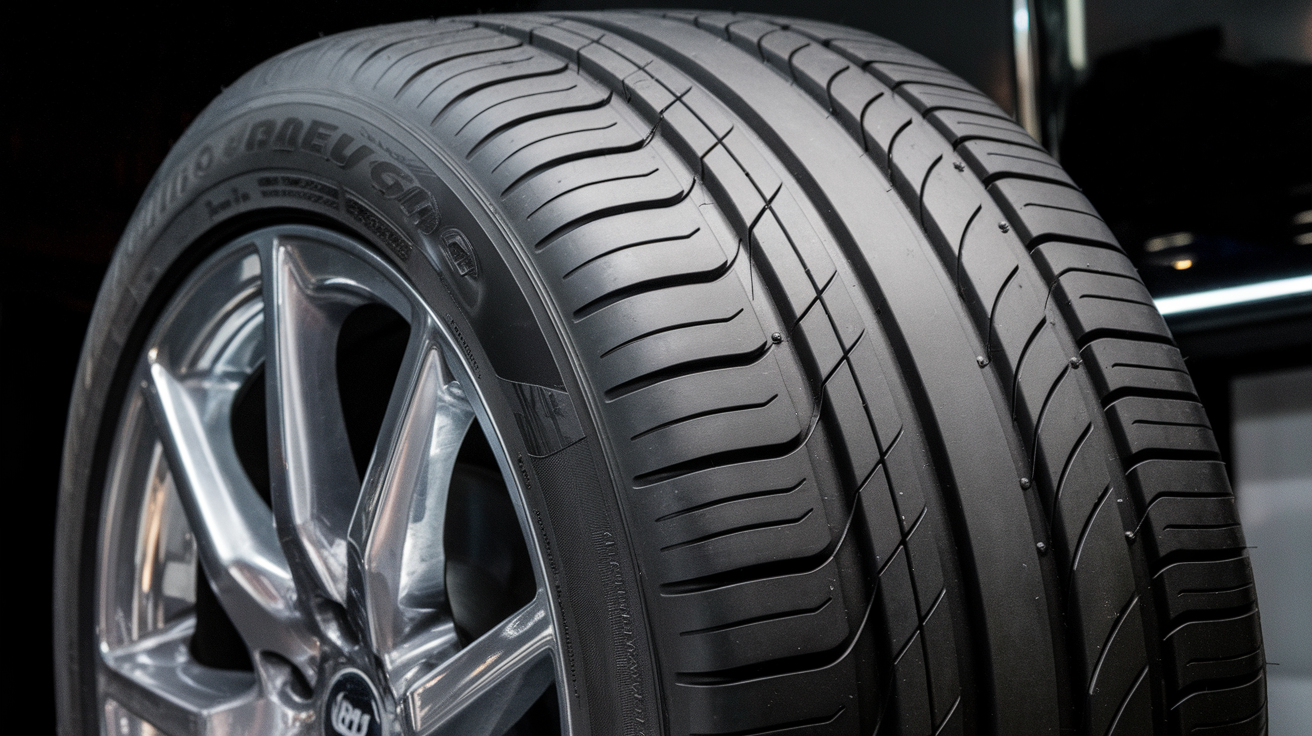
Heat and driving conditions affect tyre pressure. Regular tyre pressure monitoring helps you identify a change and investigate a possible leak.
- Tyre pressure rises by about 1 PSI for every 5°C increase in temperature. In Dubai’s summer, road temperatures can cross 70°C, which means your tyres can gain 5–6 PSI just by being parked in the sun.
- Overinflated tyres lose grip. If your tyre pressure tools don’t catch the increase, braking distance goes up and traction goes down, which is especially dangerous on hot, slick roads.
- Underinflated tyres wear faster. Just a 10% drop in pressure can reduce tire life by 15%, according to Goodyear. That’s your money going up in smoke, literally.
- Fuel efficiency drops. Tyres with low pressure create more rolling resistance. Studies show a 3–4% drop in mileage when pressure’s off; on UAE roads, that’s a lot of wasted petrol.
- TPMS tools help spot leaks early. A small puncture can turn into a roadside disaster in minutes. Tire pressure monitoring systems give early alerts before you’re stuck in the middle of E311.
- The RTA checks tyre pressure during inspections. It’s part of the checklist. A failed check can delay registration and even result in fines if you’re caught with visibly damaged or underinflated tyres. That’s why many drivers choose our car safety inspection service to identify concerns before the official test; a private inspection does not guarantee a pass.
- Highway tyre blowouts are a real thing here. The UAE’s traffic stats show tyre bursts are one of the leading causes of highway accidents, especially in the summer months.
In short, regular tyre inspection in the UAE without a TPMS tool is like flying blind. Tyre pressure changes fast, and you’ll never see it coming until it is too late.
Choosing the Right TPMS Tool? Check These Must-Have Features First
Before you pick just any TPMS tool, think about what your car, or your garage, really needs. Not all tire pressure monitoring systems support the same vehicles or functions. Before buying, check sensor coverage, supported procedures and the operating temperature range.
- Sensor Relearn & Programming
Without this, you can’t reprogram new sensors after a tyre change. Most modern vehicles, especially ones on Dubai roads, need relearn support to sync correctly with the ECU. - OBD2 Compatibility
TPMS tools with OBD2 connectivity let you plug directly into the car and access deeper data. This is crucial if you’re doing complete tyre inspections in the UAE, especially for newer models with complex ECU systems. - Real-Time Pressure Readings
Some tools just read static data. Others give live pressure readings from each tyre. If you’re serious about tyre inspection, real-time monitoring is worth it, especially in fluctuating desert heat. - Sensor Activation Without Deflation
Better TPMS tools activate sensors even without reducing tyre pressure. This saves time and avoids extra wear during routine checks. - Multilingual Interface & Regional Database
A tool that includes Middle Eastern car models and a multilingual menu (Arabic, English, etc.) makes it easier for workshops in the UAE to cover more vehicles without compatibility problems. - Wireless or Bluetooth Functionality
Many tyre pressure tools now connect to apps via Bluetooth. That means faster updates, better reporting, and easier data sharing, which is useful if you’re managing multiple vehicles. - Battery Backup or Rechargeable Options
Avoid tools that die mid-scan. Look for TPMS readers with long battery life or rechargeable options, especially if you’re doing inspections outdoors or on the go.
A TPMS tool needs to support the vehicle’s sensors and relearn procedure. For related electronic checks, see OBD inspection tools.
Top 5 TPMS Tools for Tyre Inspection in UAE That Actually Work
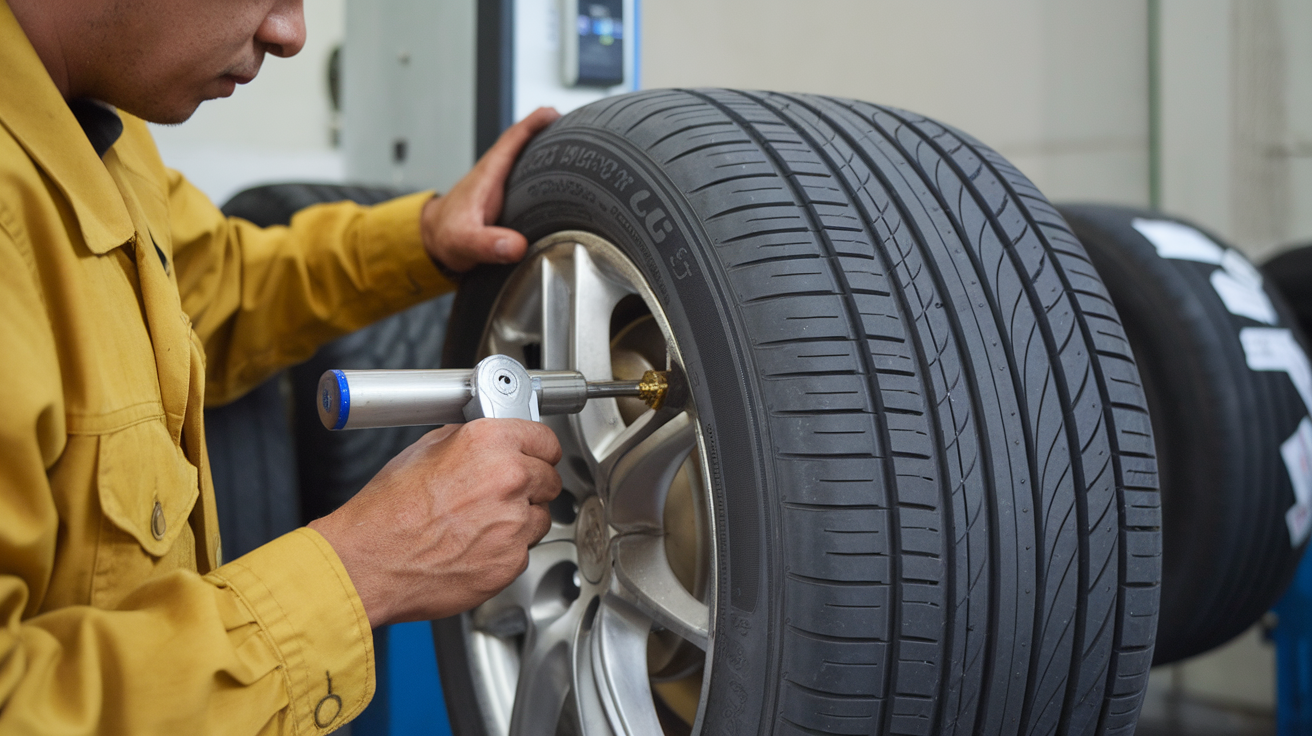
Not every TPMS tool is built for Dubai’s heat or ideal for real-world use of TPMS tools for tyre inspection across different car models. Some work great in mild climates, but over here? You need something tougher, smarter, and made for serious tyre inspection in UAE conditions. Whether you’re running a busy garage in Al Quoz or just looking to avoid a flat on Emirates Road, here are five TPMS tools for tyre inspection that are worth your time and money.
- Autel MaxiTPMS TS508:
Best for full-service workshops handling modern vehicles
- Reads & programs 98% of OE and aftermarket sensors
- Dual service modes: Quick and Advanced
- Supports sensor ID copy, manual entry, and OBDII relearn
- Includes most UAE-sold car brands preloaded
- Real-time pressure and temperature display
- Price range in UAE: AED 900–1,200
If you’re scanning multiple cars a day, this one’s fast and accurate. Many Dubai garages rely on it for its wide sensor coverage and strong OBD functions.
- ATEQ VT37 TPMS Reset Tool:
Great for mid-size workshops or mobile technicians
- Compact size with large color display
- Covers most GCC region vehicle models
- Step-by-step relearn procedures on screen
- Works with Schrader, Huf, and OE sensors
- Free software updates via USB
- Price range in UAE: AED 700–900
Perfect for quick tyre jobs and mobile inspections. It’s a favorite among garage techs in Sharjah and Ajman due to its ease of use.
- Launch X431 TSGUN
Add-on TPMS scanner for those already using Launch diagnostic tablets
- Wirelessly pairs with Launch X431 Pro or Elite
- Covers direct TPMS systems found in Japanese and German cars
- Sensor activation, programming, and data check
- Requires Launch tablet for full functionality
- Price for TSGUN only: AED 550–700
If your garage already uses Launch diagnostic tools, adding this makes your tyre pressure tools setup complete.
- Autel TS601 TPMS & Diagnostic Tool
All-in-one solution for deep diagnostics plus TPMS
- Reads and clears TPMS and OBD fault codes
- Real-time live data for all tyre sensors
- Supports relearn on most UAE-based European and American vehicles
- TPMS + full car diagnostics in one unit
- Price range in UAE: AED 1,400–1,600
Ideal for full car inspection in the UAE, not just tyres. Many full diagnostic garages in Abu Dhabi prefer this for its multi-system support.
- THINKCAR ThinkTPMS G1:
Budget-friendly tool for small garages or personal use
- Pairs with mobile app via Bluetooth
- Sensor activation, reading, and ID copy
- Supports BLE TPMS sensors
- Best for vehicles under 5 years old
- Price range in UAE: AED 350–500
If you’re doing your own tyre inspection or running a small fleet, this tool gives you what you need without overpaying.
Check vehicle and sensor compatibility before choosing TPMS tools for tyre inspection . Also compare update costs and service support.
How TPMS Checks and Manual Checks Work Together
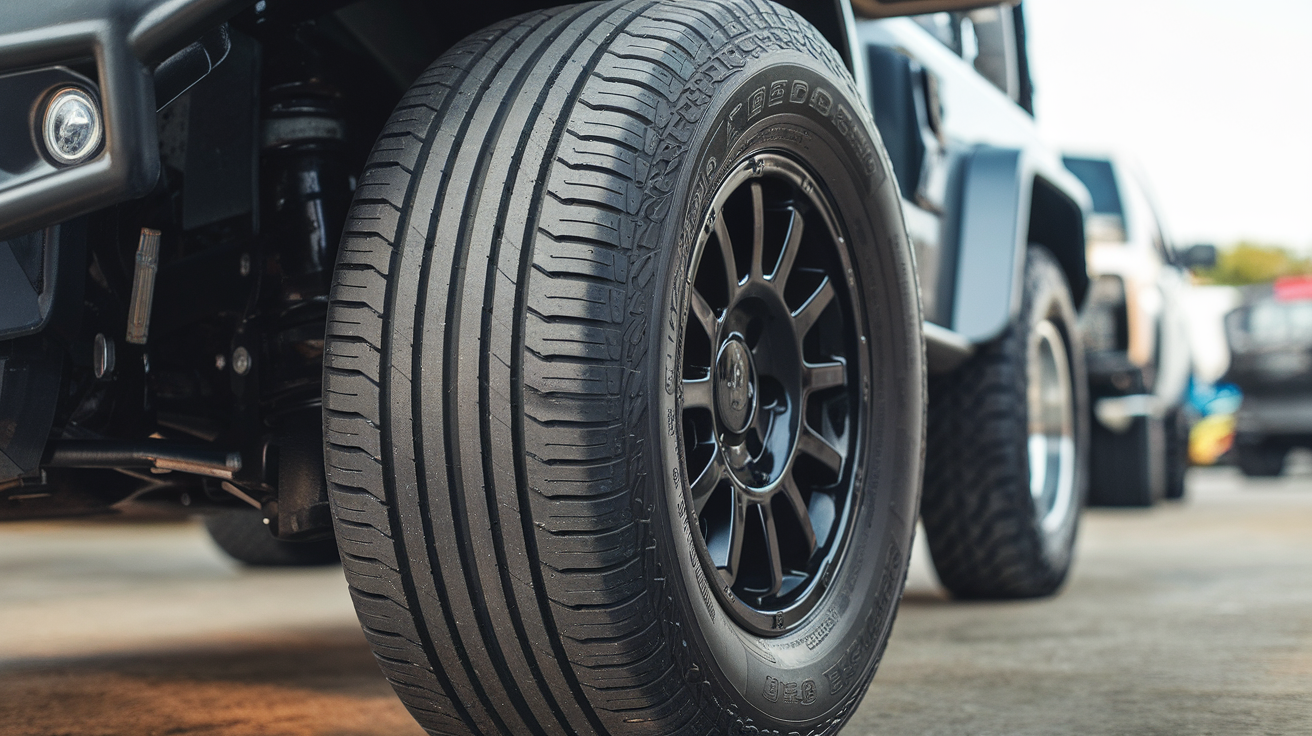
A pressure gauge checks inflation, while TPMS tools for tyre inspection may read compatible sensors or help diagnose a system warning. Both have a role.
Manual Tyre Inspection
Still useful, but limited, especially in UAE conditions.
- Needs time & effort: Check each tyre at the conditions specified by the vehicle manufacturer.
- No pressure alerts: A manual reading is a snapshot, so repeat pressure checks regularly.
- Not heat-sensitive: Manual checks don’t tell you how your pressure changes during the day, especially after a hot commute.
- Tyre wear gets missed: Unless you’re a tyre technician, small wear patterns or early bulges go unnoticed.
You topped up your tyre pressure last night at a petrol station. But this morning, your tyres are overinflated because the heat made the air inside expand. You wouldn’t know that with a manual check unless you redo everything.
TPMS Tools for Tyre Inspection
Smart, fast, and made for the UAE’s driving demands.
- Live monitoring: You get instant data on pressure and temperature while driving. No tools in hand. No guessing.
- Early warnings: If there’s a slow leak or pressure drop, the tool notifies you before it becomes a flat tyre.
- Accurate readings: Tools like the Autel TS508 or ATEQ VT37 can detect pressure shifts down to the decimal.
- Great for garages: Workshops in Dubai love TPMS tools for fast RTA compliance checks and real-time diagnostics.
- Essential for fleets: Delivery vans, taxis, company vehicles, and drivers can’t afford to check tyres manually all day.
A fleet vehicle reports a tyre warning on the TPMS scanner. The driver pulls in, gets the leak fixed, and avoids a full tyre failure on Emirates Road. That’s time, money, and safety saved, all in one scan.
Manual checks are better than nothing. But without TPMS tools for tyre inspection, you’re relying on guesswork in a city where tyres take a beating daily. To see how inspection technology is evolving further, check our feature on thermal imaging car inspection, which catches issues traditional checks miss. With TPMS tools for tyre inspection, you get ahead of tyre problems before they become accidents.And in the UAE, where tyre pressure plays games with heat? That’s not a luxury; it’s survival on wheels.
How to Use a TPMS Tool for Quick Tyre Inspection Without Wasting Time
Ever stood at the petrol station wondering if your tyres were low or if it was just your imagination? In Dubai, with pressure changing hourly thanks to the heat, there is no time for guessing. That’s where a good TPMS tool for tyre inspection comes in. And using it? Easier than most people think.Here’s exactly how to do it, without overcomplicating anything:
- Turn the ignition ON (engine OFF)
Your car’s electronics need to be powered for the TPMS tool to connect with the system. Most tools won’t scan properly unless the dashboard lights are on. Don’t start the engine; just turn the key or push-button to accessory mode. - Select the vehicle make and model
Good TPMS tools like Autel or ATEQ come with a preloaded database of GCC-specific cars. Make sure you select the exact model and year for proper sensor recognition. Skipping this step leads to reading errors, especially on newer UAE-imported vehicles. - Scan each tyre sensor
Place the TPMS tool near the tyre valve stem. Most tools will prompt you to start with the front-left tyre and go clockwise. A beep or green light confirms the sensor is detected. Tools using direct TPMS show pressure and temperature instantly. - Check for warning codes or sensor ID errors
If the tool flags a missing sensor ID or pressure imbalance, that’s your cue to inspect further. Some tools also show sensor battery life,useful for cars older than five years, where sensor failure is more common in UAE heat. - Use OBD2 connection for advanced reset
If you’ve just changed tyres or sensors, you might need to reset the system through the vehicle’s OBD port. Plug the tool in, follow the onscreen steps, and it will sync the new sensor IDs with your car’s ECU. - Save or print the report (optional)
Most workshop-grade tyre pressure tools give you the option to save a digital report. Handy for keeping inspection records, or sharing with customers if you’re in a garage setting.
Done right, a full tyre inspection in UAE should include physical condition as well as pressure and relevant sensor checks. Time depends on the vehicle and fault.
When TPMS Sensors Go Wrong in UAE Heat
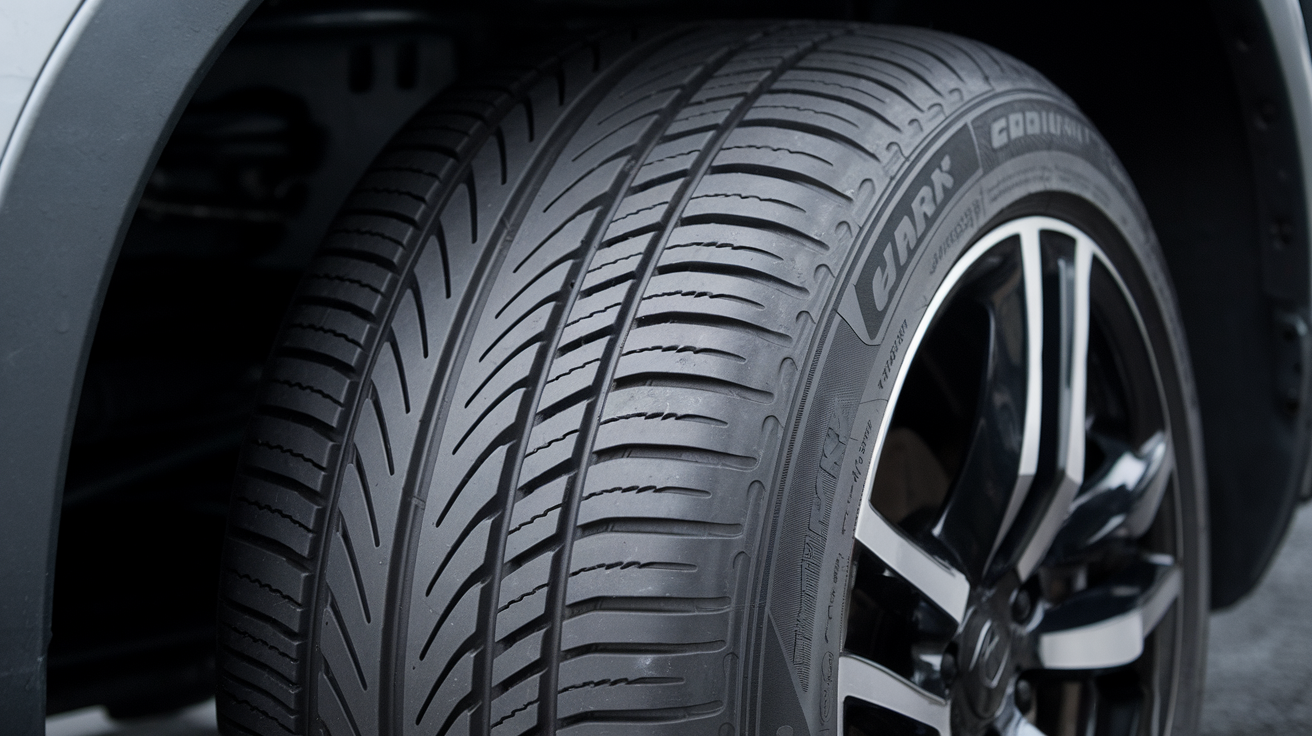
A warning after tyre service can involve pressure, a sensor or the relearn procedure. Compatible TPMS tools for tyre inspection can help investigate:
- Sensor Batteries Die Faster in Heat
Most TPMS sensors use built-in lithium batteries that last 5–7 years under normal conditions. But in Dubai? That can drop to 3–4 years. Extreme heat kills battery life faster, and when they die, you lose the whole signal. Suddenly, your car thinks the tyre is flat when it’s perfectly fine. - Aftermarket Sensors Not Matching with Car ECU
Not all TPMS sensors are created equal. Some aftermarket ones don’t speak the same language as your car’s ECU. The result? Incomplete data, false warnings, or failure to detect pressure at all. That’s why you need to program or sync them using proper tyre pressure tools after every change. - Incorrect Sensor Relearn After Tyre Rotation
Rotated your tyres but didn’t relearn the sensor positions? Your TPMS might tell you the rear left tyre is low when it’s actually the front right. It happens more often than people think, and it’s dangerous if you act on the wrong info. A proper TPMS tool for tyre inspection solves this in one scan. - Interference from Other Electronic Systems
In areas with heavy signal overlap, like near airports or when using certain car electronics, your TPMS sensor signal might get blocked or misread. It’s rare, but it happens. Resetting the system or rescanning with a tool usually clears the issue. - Faulty Sensor Install After Tyre Service
Some garages reuse old sensors or don’t tighten them correctly. That can cause slow leaks or bad readings. If your warning light came on right after tyre work, it’s worth scanning the sensors and checking for installation issues.
Having a working tire pressure monitoring system helps alert the driver to a pressure concern. Suitable TPMS tools for tyre inspection help distinguish a pressure problem from a sensor or system fault.
Smart Ways to Keep Your TPMS Sensors Working in UAE
Sensors don’t last forever, especially not under Dubai’s sun. But with a few smart habits, you can stop issues before they start. These aren’t just tips; they’re lessons learned from actual tyre failures, workshop headaches, and countless rescans that could’ve been avoided.
- Scan Sensors During Tyre Changes
Don’t wait for the warning light. Ask your garage to run a full TPMS scan when tyres are being replaced or rotated. Most quality garages use TPMS tools for tyre inspection that instantly detect weak or outdated sensors. - Avoid Extreme Parking Heat
Repeatedly parking on black asphalt in open sun? It cooks the sensors. If you’ve got a shaded spot or basement parking, even half the day,it can reduce sensor stress and battery drain. - Replace All When One Fails
If one sensor’s gone bad, the others are probably close behind. Replacing all four might cost a little more now, but it saves workshop time and repeat inspection charges later. - Watch for Delayed Alerts
Sometimes the dashboard light shows up minutes after a pressure drop. That delay is a failing sensor. A quick scan with a tyre pressure tool shows the response time for each sensor before it becomes a blind spot. - Avoid Water Spray on Valves
High-pressure car washes can push moisture into the valve stem and short out the sensor inside. When rinsing, spray the tyre,not the stem. - Create a 90-Day Pressure Routine
Don’t just wait for trouble. Use TPMS tools for tyre inspection every 90 days to scan sensor health and catch pressure issues before they become expensive. One scan takes 2 minutes and can save hours in the garage.
Even with smart TPMS tools for tyre inspection, the system isn’t plug-and-forget; it needs routine checks to stay accurate in this heat. With the right TPMS tools for tyre inspection and regular pressure checks, you can identify concerns that need attention.
Check tyre pressures and condition regularly, even when no warning light is showing.
Using proper TPMS tools for tyre inspection can help investigate sensor readings and system faults. A scan cannot guarantee that a tyre will not fail.
If the warning persists, ask about a check using compatible TPMS tools for tyre inspection. Send the vehicle details and describe when the warning appeared so we can confirm the next step.