
Temperature measurements can help investigate overheating, uneven AC cooling and some electrical concerns. They work alongside physical checks and other tests. Thermal imaging car inspection shows surface-temperature patterns. A technician needs to decide howto interpret those patterns in the context of the symptom and test conditions.
Where Thermal Imaging Fits in Car Diagnosis
Vehicle diagnosis combines observations, measurements and targeted tests. With thermal imaging car inspection , temperature patterns provide another source of information:
- Visual and Physical Checks
Technicians inspect what they can see and feel. Fluid leaks, loose belts, burnt smells, everything was based on basic observation. It worked, but only when the problem was obvious. - Listening and Driving Tests
Strange engine noise? Rough gear shift? Mechanics would take the car for a spin and try to recreate the issue. It was part skill, part instinct. - Mechanical Tools and Handheld Testers
Tools like timing lights, compression testers, and voltmeters became popular. They gave more solid readings but still needed hands-on experience to interpret them. - OBD Scanners and Computer-Based Diagnosis
On-Board Diagnostics changed the game. Plug-and-play scanners gave error codes. Still, some codes were vague, needing more advanced detection. - Digital Sensors and Live Monitoring
Newer cars came with built-in sensors. Real-time fuel data, emissions reports, even brake wear alerts, mechanics started using laptops more than wrenches. - Thermal Imaging Car Inspection and Infrared Cameras
Thermal cameras can record heat imbalance, overloaded circuits, and hidden AC leaks without even opening the parts. That’s why many workshops now combine these methods with a car inspection service in Dubai to make sure hidden faults are spotted early. It saves time, reduces risk, and works especially well in Dubai’s extreme weather.
Diagnostics is no longer just about fixing what is broken, it is about spotting problems early. That is why more garages are now shifting to thermal inspection tools to get ahead of the damage.
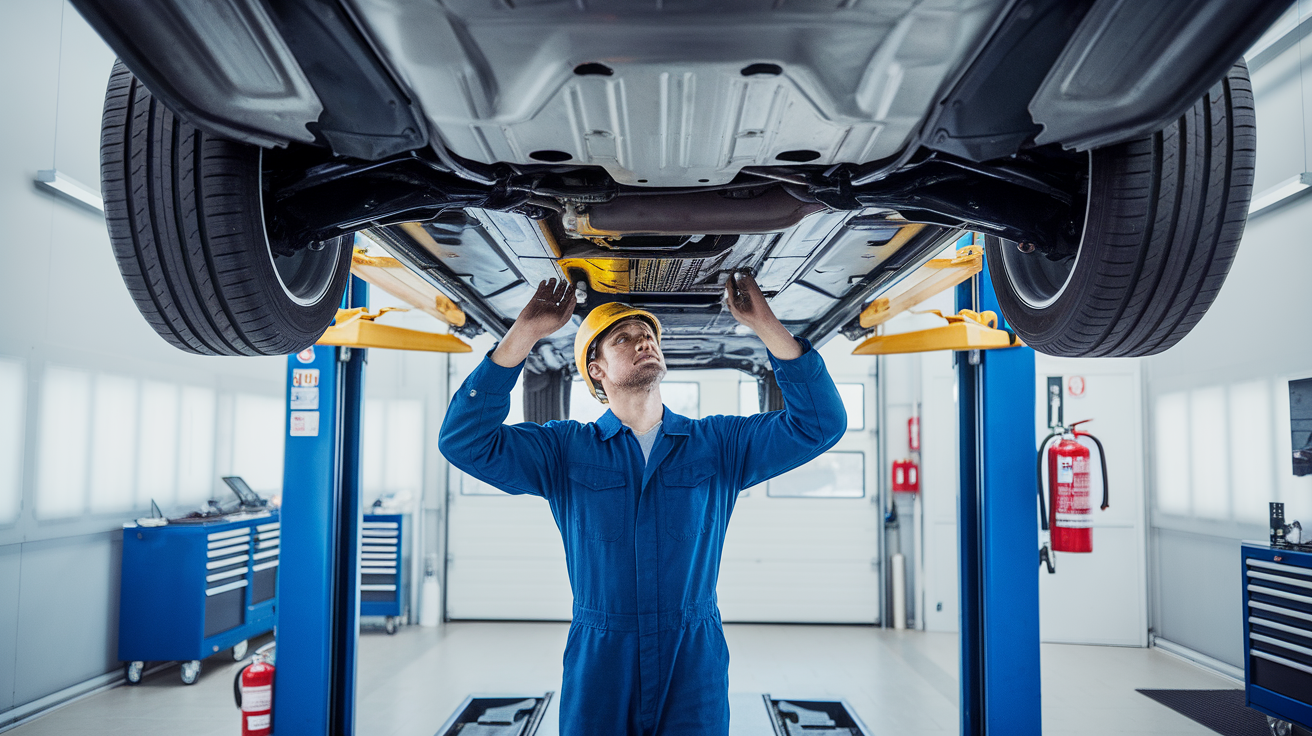
How Thermal Cameras Work in Car Inspection
It is easy to miss a problem when you are looking with the naked eye. But heat? Heat never lies. That is where thermal imaging car inspection flips the game, it lets you see what your hands cannot feel and what your tools cannot hear. Here is how thermal cameras help in car inspection, step by step:
- Captures Infrared Radiation, Not Visible Light
Thermal cameras read the heat signatures of every part under the hood. They turn temperature data into clear images where hotter areas glow brighter than cooler ones. - No Physical Contact Needed
No touching wires, no disassembling components. Mechanics just point the camera and instantly get a heat map, perfect for fast diagnostics in busy garages. - Highlights Unusual Heat Patterns Instantly
Overheating sensors, misfiring coils, leaking AC pipes, anything running hotter than normal shows up in red or white zones on the thermal screen. - Useful Across Systems
Thermal imaging car inspection is not just for engines. It works for battery cells, cooling systems, brakes, wiring looms, and even exhaust flow. If it heats up, it can be inspected. - Ideal for Dubai’s Heat-Heavy Conditions
Cars in Dubai often suffer heat-related issues. Using thermal cameras helps spot minor cooling failures before they trigger major breakdowns, especially with AC systems and radiators during a cooling system inspection in Dubai, where the findings can guide further tests.
Thermal images show temperature differences on visible surfaces. Those differences need interpretation; they do not identify a failed part on their own.
What Physical Checks Still Tell You
A technician can observe noises, movement, leaks and damage during physical checks. The question is which findings need measurements or further testing.
- Relies on Senses and Experience
Mechanics use sight, sound, smell, and touch. They check for leaks, feel for vibrations, listen for knocks, and even smell burnt oil. It works, but only if the fault is already obvious. - Takes More Time and Repeats
A test drive, a guess, then another check. It can take hours to confirm a problem. Sometimes, the issue does not even show up during the inspection. - No Heat Mapping or Hidden Fault Detection
Manual inspection cannot detect thermal anomalies. That small overheating spot behind the firewall? Invisible without a thermal camera. - Still Useful for Certain Issues
Some things do require a human touch, like recognizing unusual steering feedback, checking fluid texture, or identifying the smell of a burnt clutch. - Often Paired with Digital Tools
Even experienced mechanics now combine manual checks with OBD scanners and, more recently, thermal imaging car inspection. It is a hybrid approach.
Manual diagnosis has not disappeared, it is just no longer enough on its own. With complex systems and extreme temperatures, relying only on it can lead to misdiagnosis or delayed repairs.
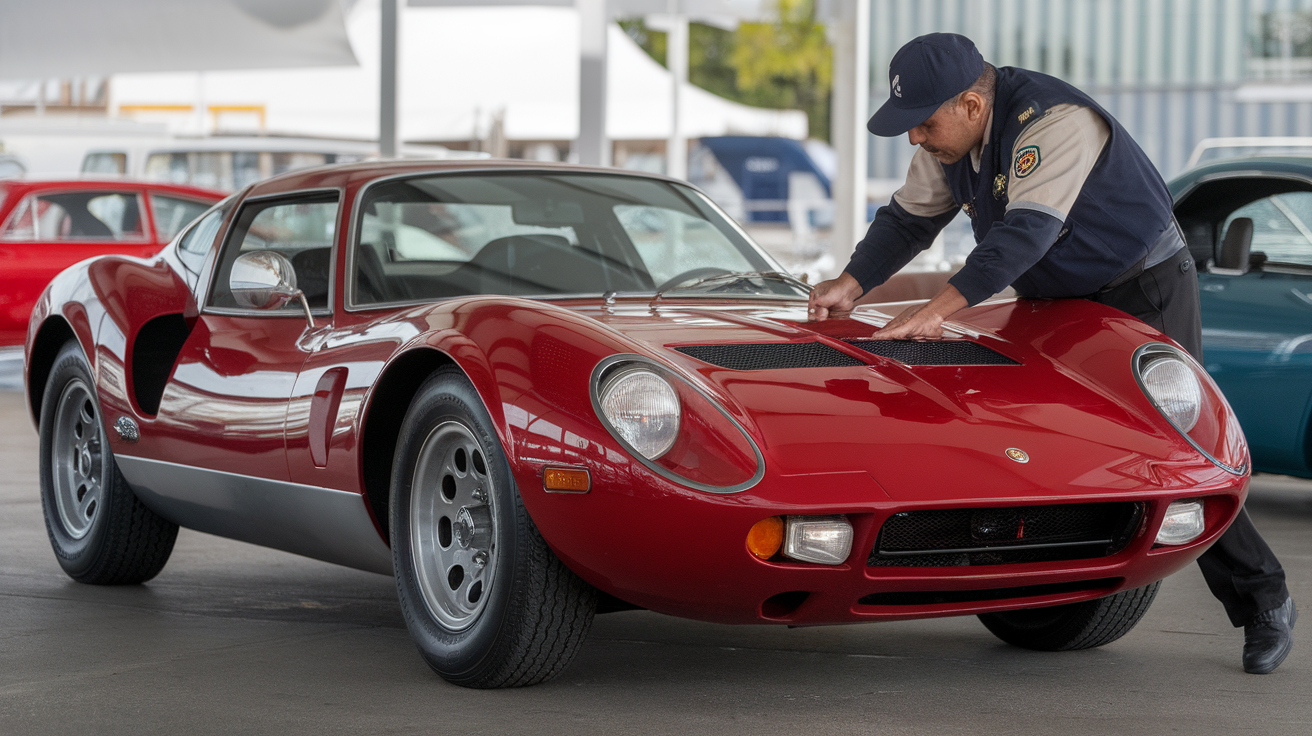
Where Thermal Cameras Outperform Manual Diagnosis
Sometimes the problem is right there, but your eyes cannot see it, and your hands cannot feel it. That is exactly where thermal imaging car inspection beats manual diagnosis without breaking a sweat. It sees heat. It sees stress. It sees what is coming before it happens. Here is where thermal cameras have the upper hand:
- AC System Troubleshooting
Manual checks might catch low airflow or bad smells, but they cannot show where refrigerant lines are getting too cold or valves are clogging. A thermal camera spots the blockage in seconds. - Electrical Faults and Wiring Issues
Instead of following wires manually or using a multimeter on every fuse, thermal cameras highlight overloaded circuits, hot spots, or melting connectors immediately. - Brake System Heat Imbalance
Is one rotor overheating? Is a caliper stuck? With a thermal scan after a short drive, the hotter side lights up, no guessing, no disassembly. - Battery Pack and Hybrid Systems
Some cells in a battery pack heating faster than others? Thermal cameras help detect thermal runaway risks in EV and hybrid batteries, especially in Dubai’s high ambient temps. - Radiator, Thermostat, and Cooling Issues
You might not know a thermostat is stuck until the engine overheats. Thermal scans show cold spots, flow blockages, or early-stage pump failures that need further investigation.
Thermal cameras provide temperature information for diagnosis. A thermal pattern may suggest where to test next. Physical checks, scans and measurements are still needed to confirm many faults.
Cost Comparison | Thermal Imaging vs Manual Diagnosis in Dubai
Diagnostic cost depends on the vehicle, symptom and tests needed. Ask which initial checks are included and how further work will be agreed. Here is a side-by-side look at how manual diagnosis stacks up against thermal imaging car inspection:
| Aspect | Manual Diagnosis | Thermal Imaging Car Inspection |
| Inspection Fee (Dubai avg.) | 100–150 AED (often waived with repair) | 250–400 AED (standalone or add-on service) |
| Time Required | 1.5 to 3 hours | 10–20 minutes |
| Accuracy | Depends on the mechanic’s experience | Highly accurate, real-time heat mapping |
| Tools Involved | Eyes, hands, test drives, basic scanners | Infrared thermal camera |
| Risk of Misdiagnosis | Medium to high | Very low if used properly |
| Detection of Hidden Issues | Limited, visual or feel-based only | Detects heat imbalance, hidden electrical faults |
| Usefulness in Complex Systems | Less effective for EVs or modern engines | Ideal for high-tech, hybrid, and AC systems |
| Long-Term Cost Impact | Can lead to part replacement guesswork | Prevents unnecessary part changes |
| Best For | Fluid checks, noise issues, suspension feel | AC issues, overheating, electric faults |
And if you compare it with something like a 125-point car inspection, you’ll see both methods complement each other, thermal cameras catch heat-based issues while multi-point inspections cover overall safety checks. At first glance, thermal imaging car inspection might look like the expensive option. But if it helps you avoid a 2,000 AED mistake, or replaces two days of trial-and-error, it is actually the smarter investment. Think of it as paying for answers, not more questions.
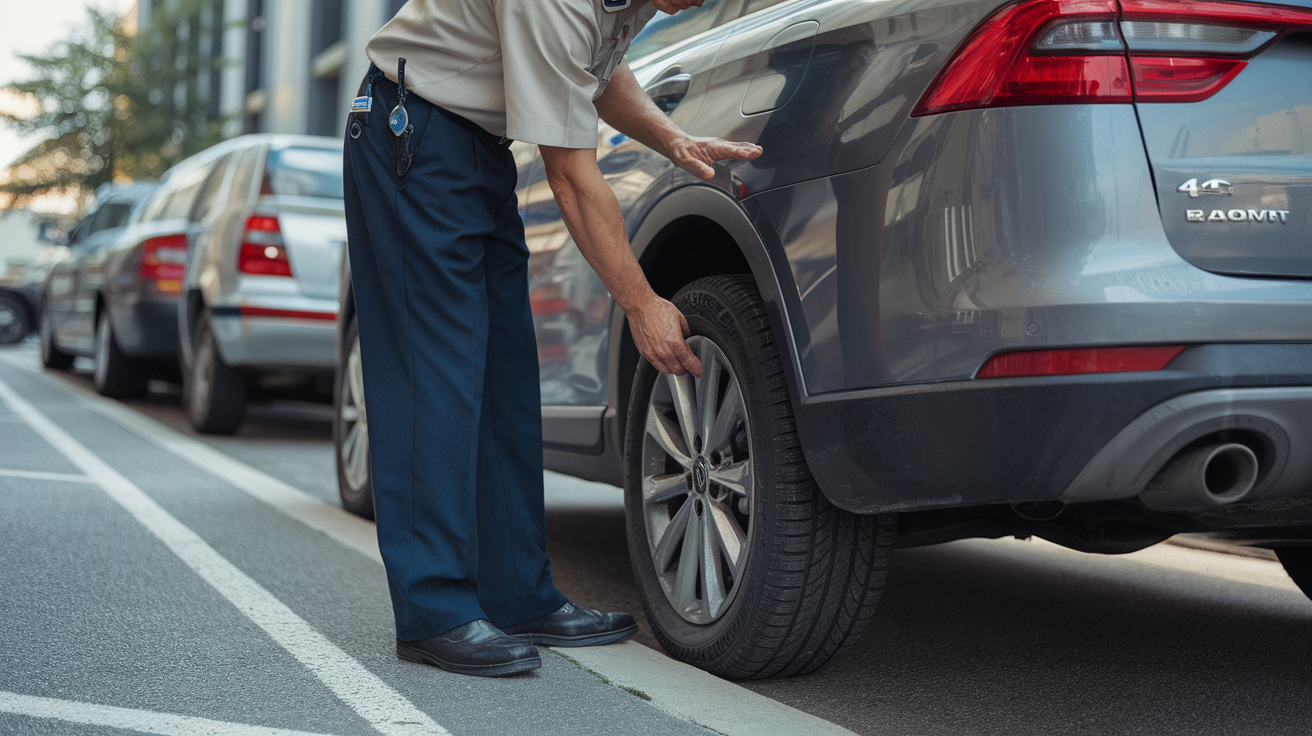
Ideal Use Cases | When to Choose Thermal Imaging or Manual Diagnosis
Not every car issue needs a fancy tool. And not every noise or leak can be fixed with guesswork. Choosing between thermal imaging car inspection and physical diagnosis depends on the symptom and the information needed. Consider:
- Go Thermal When…
- You notice weak AC performance but gas levels seem fine.
- The engine runs hot, but the temperature gauge stays normal.
- You suspect electrical faults or parasitic battery drains.
- The car is hybrid or electric with complex systems.
- There are brake performance issues with no warning lights.
- Stick with Manual When…
- You hear rattling, clunking, or whining during a drive.
- There is a visible oil or coolant leak.
- You notice bad smells, burnt rubber, oil, or fuel.
- The steering feels off, or the suspension seems rough.Your car is an older model without diagnostic ports.
- Use Both When…
- You are unsure and want full clarity before starting repairs.
- You are buying a used car and want a thorough inspection.
- The issue seems intermittent or only happens under specific conditions.
- You are dealing with repeat failures or unresolved issues.
- You want to prevent future breakdowns before summer heat sets in.
There is no one-size-fits-all in car diagnostics. But using the wrong method for the job? That is how small issues turn into major repairs, especially under Dubai’s sun.
What Your Car Needs in Dubai’s Heat
Dubai does not play around when it comes to heat. We are not talking about “feels warm” weather; we are talking 45°C road temps, baking asphalt, and engine bays hot enough to fry a kebab. In this kind of environment, your car is under pressure even before you turn the key. So what does it need? A water bottle and a sunhat will not cut it. What it needs is accurate diagnosis, and that is where thermal imaging car inspection starts to make serious sense. Here is why thermal inspections are a smart move in Dubai’s climate:
- Engine Bay Temps Can Spike Without Warning
In traffic, engine compartments build heat fast. A failing thermostat or slow radiator fan might not show up until it is too late, unless you are reading the heat patterns live. - AC Systems Are Always Under Load
Your AC works overtime here. Small issues like gas restriction, clogged valves, or weak compressors show subtle heat differences that manual checks can miss. - Battery and Electrical Stress in High Heat
Modern cars with start-stop systems and sensors everywhere rely on clean voltage. A thermal scan can catch hot terminals, weak alternators, or overworked modules before they burn out. - Rubber and Fluid Breakdown Happens Faster
Heat makes rubber hoses brittle, accelerates oil degradation, and causes premature failure of bushings. Thermal cameras help detect abnormal friction and heat rise caused by failing parts. - Desert Conditions Amplify Existing Problems
Sand, heat, and humidity mess with airflow, cooling, and sensors. A thermal imaging camera can detect minor airflow blockages and early airflow disruption.
Cooling concerns should be assessed against the vehicle’s operating conditions. Methods such as thermal imaging car inspection may help if the temperature pattern is relevant to the fault.
Physical checks remain useful for noises, leaks, damage and changes in handling. The technician should choose tests around the symptom. Thermal imaging car inspection can help locate an unusual surface-temperature pattern.
It does not see through the engine or establish the cause of every hot area. Used with other checks, thermal imaging car inspection can guide the next test and help explain the findings. Confirm whether it is needed for your vehicle before adding it to a booking.