Uneven panel fit, disturbed fasteners and differences in visible joining work can suggest that a car’s body panels have been adjusted, removed or replaced. They do not establish the cause or severity of damage on their own. Compare several signs with the vehicle’s construction and available repair records.
A body panel inspection should identify what can be seen, what the evidence suggests and which areas need specialist assessment. It cannot guarantee that every panel is original or that the vehicle has never been damaged.
Understand which panel is being assessed
Panels have different roles and attachment methods. A removable outer panel, a bumper covering and a structural section should not be treated as equivalent. The significance of work depends on the actual model, repair location and surrounding components.
Ask the seller what was changed and why. A documented replacement may follow a localised repair, while unexplained work around structural areas may require further investigation. Neither a replacement panel nor a repaint is automatically a reason to reject the car.
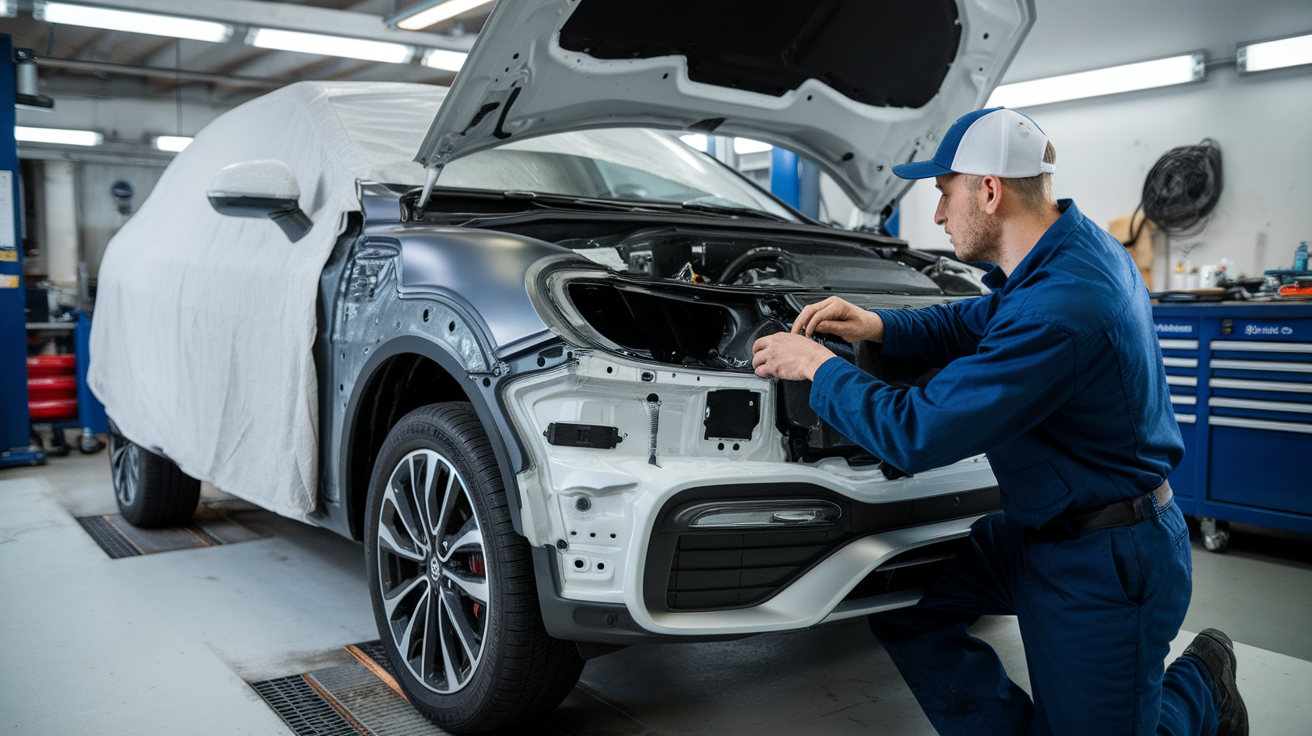
Compare gaps and operation carefully
Look at the spacing and height between adjacent panels. Open and close doors, the bonnet and boot with permission, noting unusual binding, rubbing or difficulty latching. Compare the findings around the vehicle rather than using an arbitrary measurement as proof of a twisted chassis.
An uneven gap can reflect adjustment, wear, damage or repair. The inspection should explain the finding and whether it calls for another check. A door that closes smoothly does not establish that the surrounding structure has never been repaired.
Look at fasteners and accessible attachment points
Tool marks, altered paint around fasteners or differing hardware may indicate previous disturbance. Record where they occur. Removal can also be needed for legitimate maintenance or adjustment, so fastener marks alone do not identify the repair’s cause.
Ask for the relevant invoice or repair explanation. Confirmed panel replacement should be distinguished from a suspected replacement when the evidence is incomplete. Do not loosen bolts or remove trim yourself just to investigate the car.
Assess joining work in the context of the vehicle
Visible seams, sealant and joining patterns can provide useful clues, but their appearance is not a universal factory-versus-repair test. Different designs use different materials and joining methods. Some repairs remain concealed behind trim or protective coverings.
Unexplained distortion, corrosion or joining work near structural sections warrants a suitably qualified assessment. Ask whether manufacturer repair information, additional access or structural measurements are needed. A photograph or visual opinion alone cannot certify how the vehicle will perform in a collision.
The frame-damage inspection guide covers when a visible concern should lead to further checking.
Use paint findings as supporting evidence
Compare shade, texture, overspray and suitable measurements with panel fit and attachment signs. Paint evidence can support the conclusion that work occurred, but cannot by itself identify a replacement panel or a particular accident.
Instrument choice matters. DeFelsko explains that common vehicle surfaces include steel, aluminium and plastic, requiring different measuring methods. A weak response to a household magnet does not establish filler or replacement.
Our body and paint guide explains measurements and their limits in more detail. Keep the focus here on how the panel is fitted and what the surrounding evidence shows.
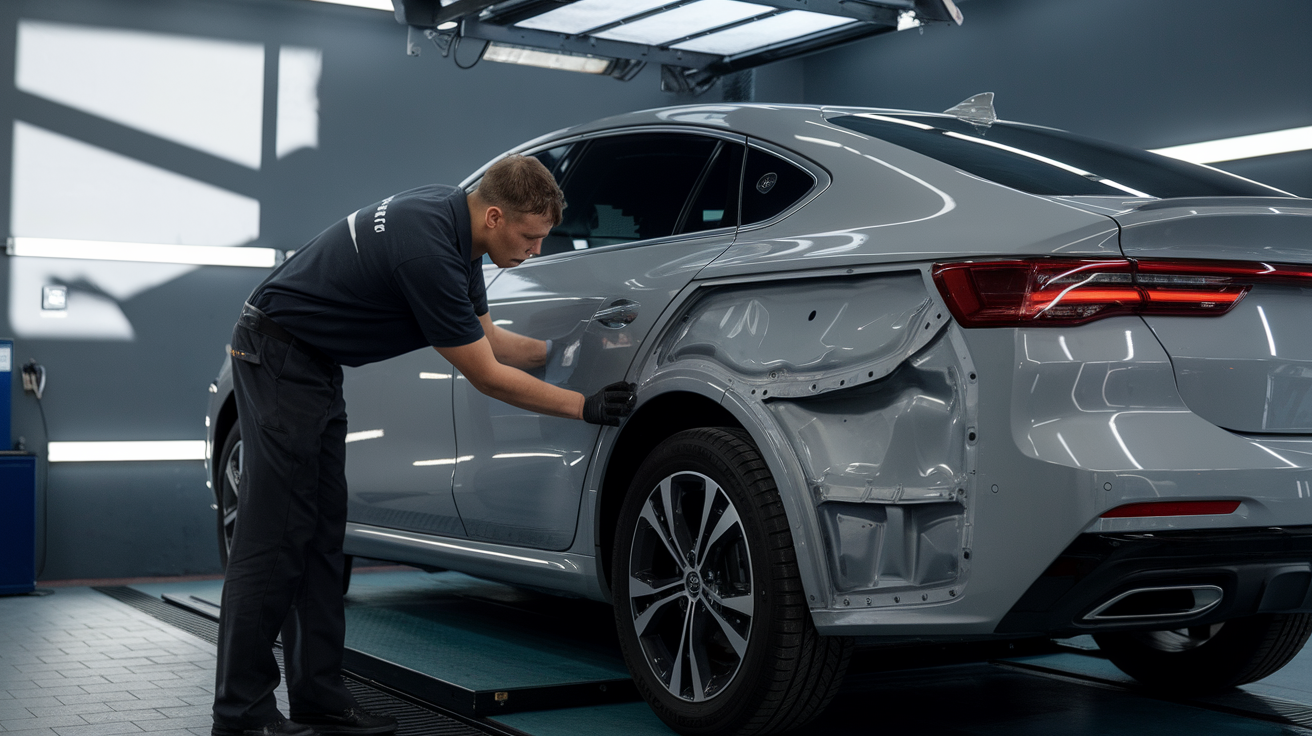
Check accessible inner areas without dismantling
With permission, look at accessible door openings, the luggage area and other visible surfaces. Note corrosion, distortion, inconsistent finishing or signs of water entry. Ask what remains hidden and whether the inspection includes underbody access.
Fresh underbody coating can prevent a clear assessment of the surface beneath it. It is a reason to ask about the work, not automatic proof of concealment. A moisture reading or stain also cannot establish the date or extent of a flood event.
Do not crawl under a vehicle supported only by a jack. Any lifting, trim removal or closer access must be suitable for the vehicle, authorised and carried out safely.
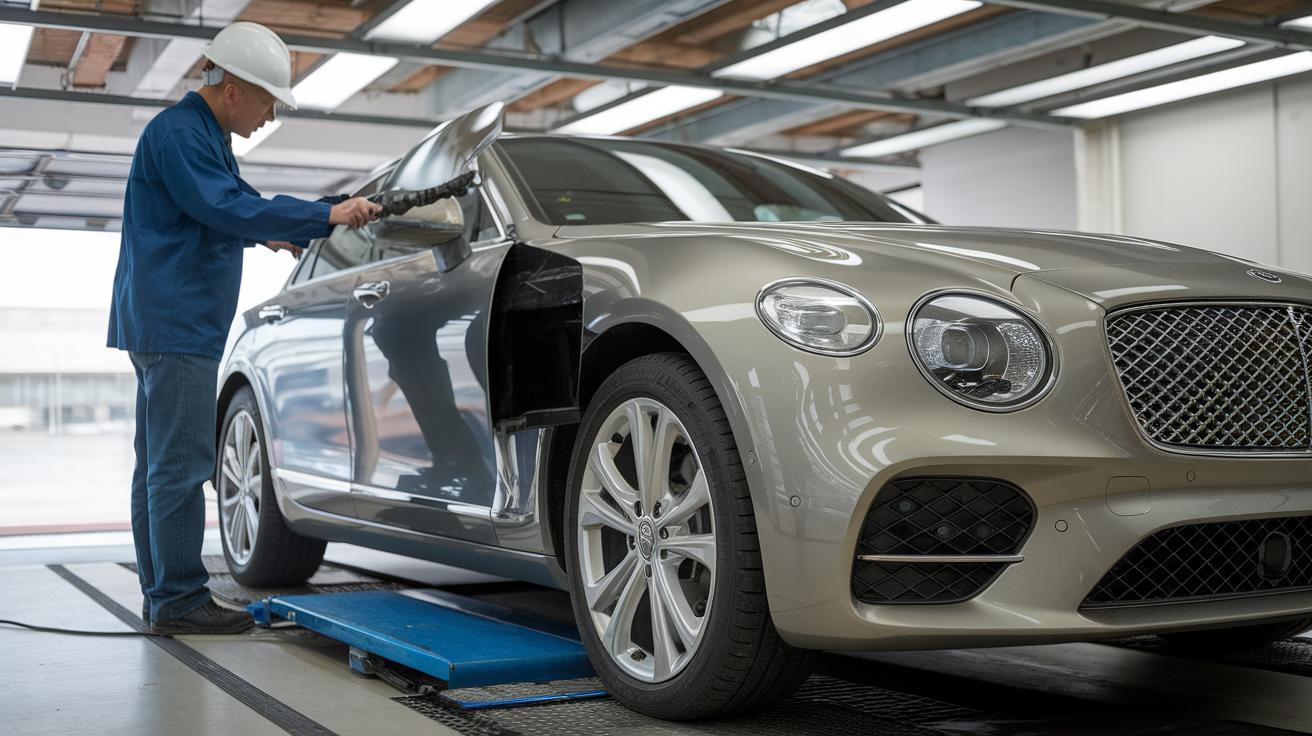
Do not use a scan as an accident-history certificate
Supported diagnostic findings may help investigate a warning or safety-system concern. They do not provide a guaranteed record of every collision, airbag deployment or previous reset. A clean scan does not prove an accident-free history.
Keep body observations, electronic findings and available history records distinct. Where they conflict, ask what further evidence is needed. Use our UAE accident-history guide to understand record coverage.
What to request in the report
- The identity of each affected panel or area.
- Photographs showing the observation in context.
- A clear distinction between observed damage, evidence of work and unconfirmed interpretation.
- Relevant measurements and the methods used.
- Areas that were inaccessible or obscured.
- Recommended further assessment before purchase, where warranted.
A useful report helps you ask specific questions. “Possible previous work at the right front wing; repair records requested” is more informative than an unexplained “accident car” label.
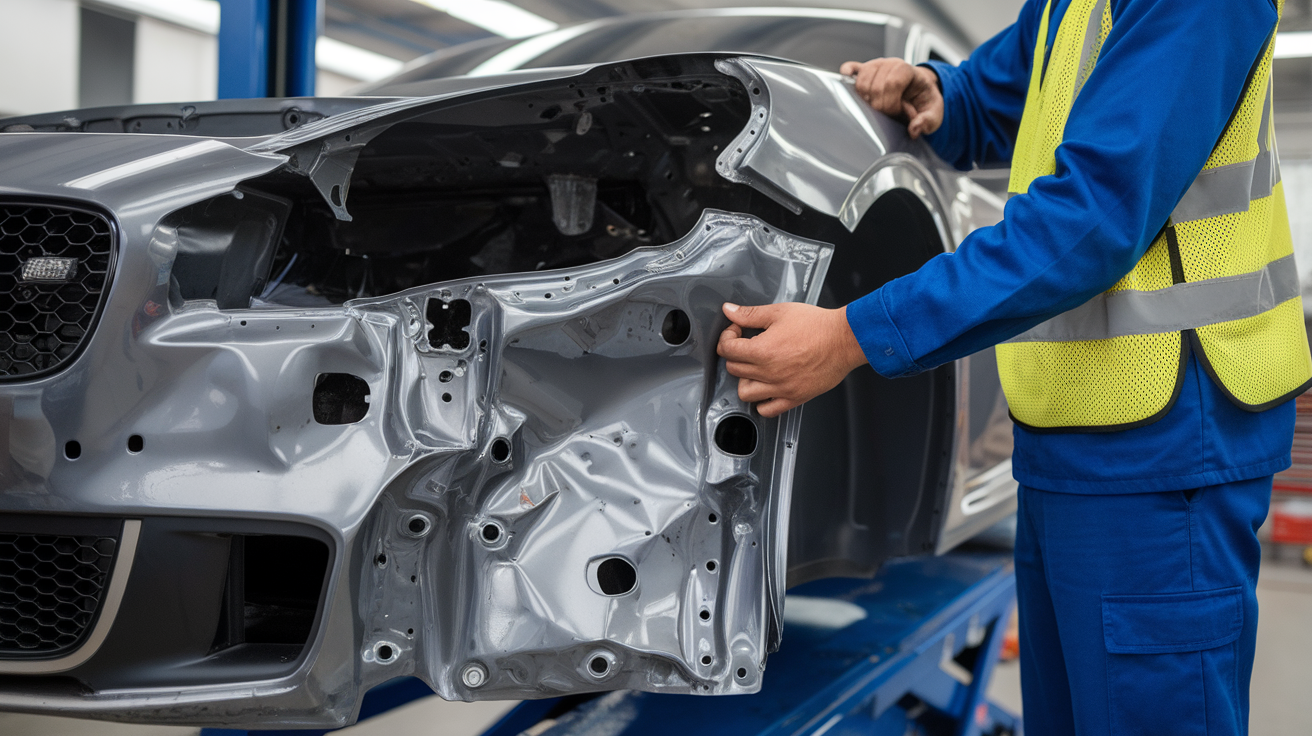
Decide what the replacement means for you
Consider repair quality, location, records and remaining uncertainty. A well-understood cosmetic repair can be acceptable. An unresolved structural or restraint concern deserves appropriate assessment before committing.
Obtain a written estimate where further work affects your budget. Check any relevant insurance or warranty question with the responsible provider. An inspection does not guarantee resale value, insurance acceptance or freedom from future problems.
Before booking, confirm whether the quoted assessment includes paint readings, accessible inner areas and any proposed structural measurements. Do not assume a higher point count or price automatically means deeper access.