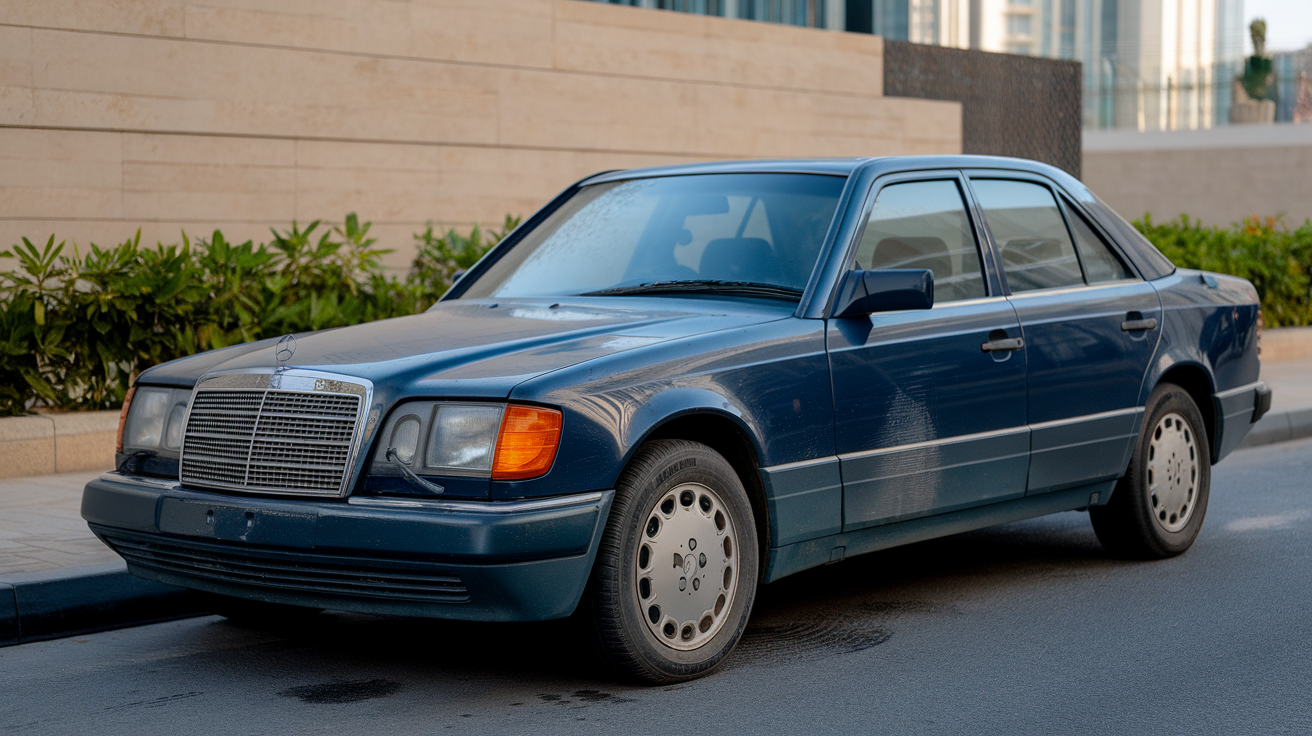
Body and paint checks can identify signs of previous work, but repainting alone does not prove a major accident. Assess the finish, suitable paint measurements, surrounding panels and available repair records together. The important questions are what was repaired, why and whether the work needs further investigation.
This guide focuses on paint condition and the interpretation of repair signs. For fasteners, panel fit and replacement evidence, see our body panel inspection guide.
Start with the seller’s description and repair records
Ask whether panels have been repainted or repaired and what the seller means by “original paint” or “accident-free”. Request the available invoices and photographs for disclosed work. A scratch repair, a replaced bolt-on panel and a structural repair are different findings.
Keep those claims separate from what the inspection confirms. Missing records leave the reason or method of repair uncertain. They do not by themselves establish dishonesty, just as a clean history search does not establish that no work occurred.

Compare the finish in suitable light
Inspect a reasonably clean, dry car from different angles. Note variations in shade, gloss, texture or reflected lines, along with overspray and paint edges around trim. Poor lighting, dirt, protective films and surface condition can limit what you can see.
Record the location of an inconsistency and look at adjacent areas. Differences may justify questions or measurements; they should not immediately be described as proof of a collision. A smooth finish also cannot show how any concealed repair was carried out.
Do not scratch, scrape or remove coatings to investigate the car without explicit permission. An inspection should preserve the vehicle while documenting what can be assessed.
Use a paint gauge suited to the material
Paint measurement requires a suitable instrument for the surface beneath the coating. DeFelsko’s automotive guidance describes different methods for steel, aluminium and non-metal surfaces. A household magnet cannot assess all of these materials.
A gauge that works on a steel door may not measure a plastic bumper. DeFelsko’s plastic-coating guidance explains the use of suitable ultrasonic equipment and the limits imposed by surface shape and access.
Ask the inspector to record the panel, reading, units and relevant limitations. A number without its location or method is difficult to interpret. Protective coatings or films and unsuitable measuring conditions should be considered before drawing a conclusion.
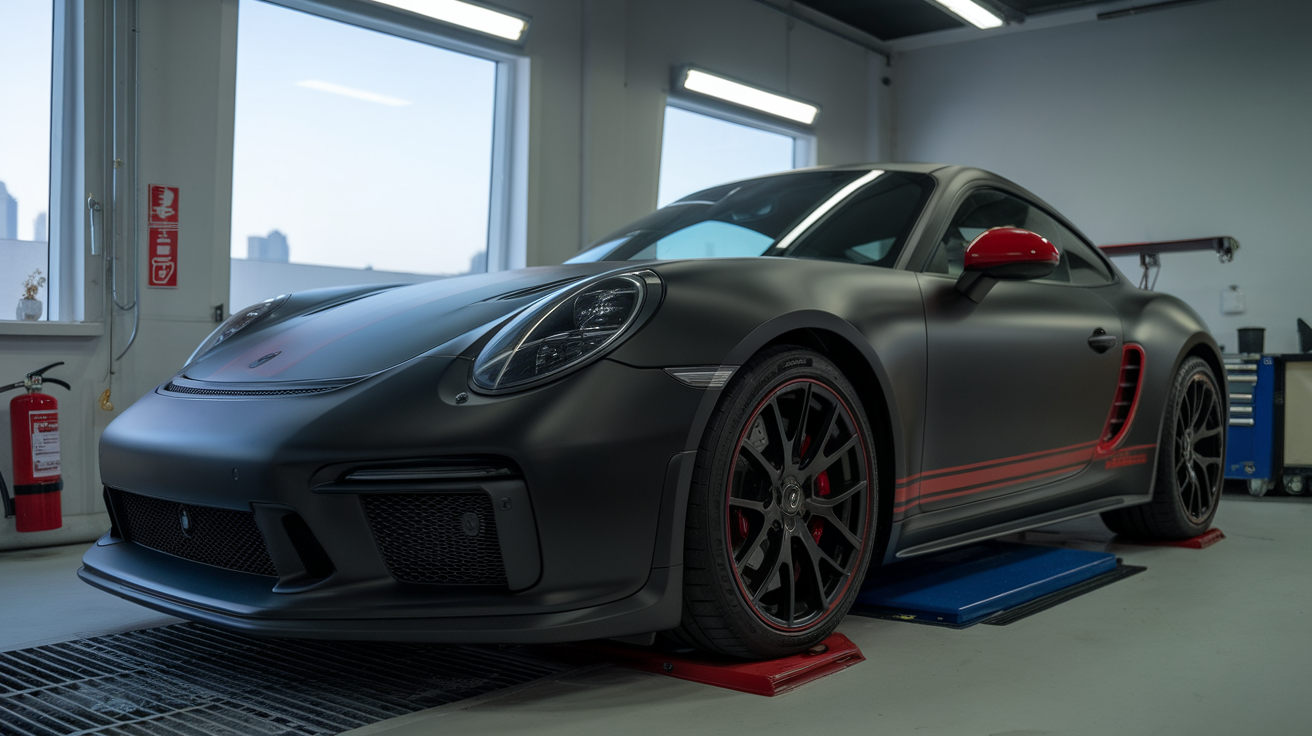
Interpret a pattern rather than one universal threshold
Do not use a single micron value as a universal boundary between factory paint, repainting and accident damage. Compare suitable readings across the vehicle and assess them alongside its construction, finish and repair evidence.
A meaningful difference can support a conclusion that a panel has received work. It does not, by itself, establish the date, cause or severity of that work. A repaired scratch and a repaired impact can both involve repainting.
Equally, readings that look consistent do not guarantee that every panel is original or that no concealed repair exists. Ask the inspector to distinguish a recorded measurement from the interpretation and any further check needed.
Look beyond the outer surface when the evidence warrants it
Uneven gaps, disturbed fasteners, corrosion or unexplained joining work may make a paint finding more significant. Their meaning depends on location and context. A poor finish on a bumper is different from suspected work around a pillar or structural rail.
If structural repair is suspected, ask what further access, measurements or assessment against manufacturer repair information would be necessary. Paint depth and photographs alone cannot certify crash performance or the integrity of every concealed joint.

Keep glass, trim and safety-system findings separate
Replacement glass or trim can have several explanations. Compare available markings, fit and records, but do not treat a changed windscreen or missing label as automatic proof of an airbag deployment.
Airbag or restraint concerns need appropriate electronic and physical assessment. A clean body finish or paint reading cannot establish that the safety system will operate correctly. Do not remove airbag covers or disturb connectors during a viewing.
Our frame-damage guide explains when visible signs should lead to closer structural assessment.

What should the body and paint report contain?
- Panel-level findings: identify the affected area and the observed condition.
- Relevant evidence: photographs and suitable measurements, with units where applicable.
- Interpretation: explain whether previous work is evident, suspected or unconfirmed.
- Access limits: record areas obscured by coverings or not accessible during the visit.
- Next steps: identify any records, specialist assessment or repair estimate needed.
A private inspection report describes the available evidence. It is separate from the official RTA test and does not certify the complete accident history.
Decide whether a repair changes the purchase
A documented cosmetic repaint is not automatically a reason to reject a vehicle. Consider the quality of the work, the reason for it and whether any deeper concern remains. If the issue is understood, it can become part of a sensible price discussion.
For significant or uncertain repairs, obtain an appropriate assessment and written estimate before deciding. Do not apply a fixed depreciation percentage or assume insurance eligibility from an inspection. Confirm material insurance questions with the insurer using the actual vehicle details.

Questions to ask before booking
Tell the provider the model, materials if known, location and concerns. Ask which panels can be measured, whether the underside can be accessed and whether specialist structural checks are part of the appointment or separate.
Compare the agreed scope with the seller’s claims. If the car has been wrapped, coated or repaired, mention it before the visit so the limits can be explained. Follow up on a material uncertainty before paying for the car.