A check-engine light can point to a leak without showing where it is. A smoke test helps a technician locate escaping air or fuel vapour before replacing parts. Leak detection means finding where a sealed system loses air or vapour and checking what caused the opening.
For intake, vacuum and EVAP faults, automotive diagnostics may include a controlled smoke test. Suitable smoke machines feed visible vapour into the system so a technician can inspect hoses, joints and seals for leaks. Vehicle inspection may need several tests. The pressure setting and connections on smoke machinesmust suit the system being checked.
What Are Smoke Machines and How Do They Work?
A workshop smoke leak detectorfeeds visible vapour into a sealed vehicle system at a controlled pressure.
The machine heats its approved test fluid and feeds the vapour through a hose. Use only the fluid, gas supply and pressure specified by the equipment maker and the vehicle’s test procedure.
Vapour escaping from a hose, seal or joint helps locate a leak. Some machines have a built-in compressor; others need an external supply. A leak may still need closer inspection or another test to establish its cause.
Technicians can use smoke machines to check suitable vacuum lines and intake connections. Access can be difficult behind an engine, so the smoke leak detectoris used alongside visual checks and the vehicle’s diagnostic procedure. Diagnostic smoke makes escaping vapour easier to see. It does not establish the condition of every component in the system.
Where Automotive Smoke Machines Help
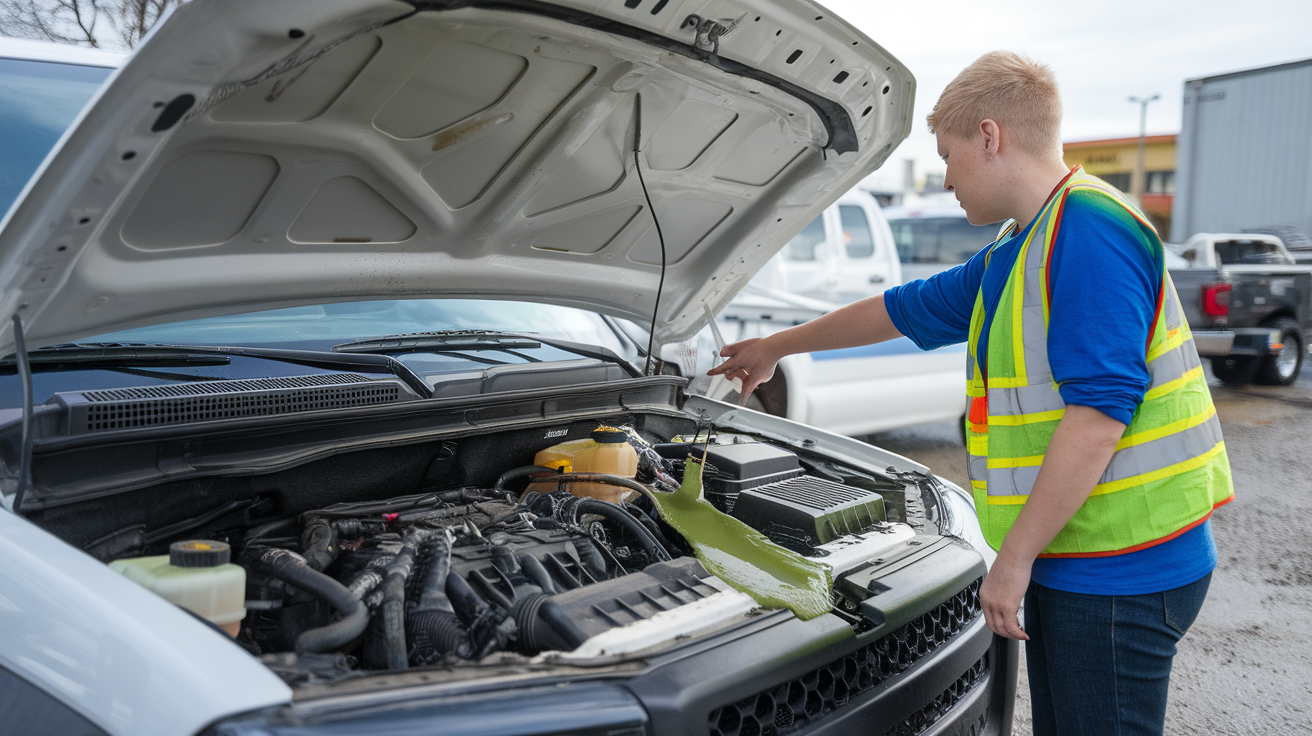
In modern workshops, automotive smoke machines can help locate leaks in compatible EVAP, vacuum, intake and turbo systems. Match the machine and its pressure range to the test. Common equipment types include:
| Type | Best For | Key Features |
| EVAP-Specific Machines | Fuel vapor system diagnostics | Low-pressure output, DTC-safe testing |
| Dual-Mode Units | Turbo, intake, and vacuum systems | Pressure/vacuum modes, flow meters |
| Portable Handheld Models | Quick inspections, mobile techs | Compact, battery-powered |
Core Diagnostic Applications
- EVAP Leak Detection: Identifies vapor leaks without triggering false codes.
- Vacuum Line Testing: Finds cracks causing a rough idle or poor fuel economy.
- Turbo & Boost System Checks: Locates pressure loss in intercooler pipes and clamps.
- Exhaust & EGR Inspection: Reveals hidden gasket failures and sensor-impacting leaks.
Why They Matter?
Smoke machines can provide real-time, visual confirmation of a leak location, helping a technician decide what to inspect or repair. Used with other tests, they can improve diagnostic accuracy. When arranging a comprehensive car inspection in Dubai , ask whether smoke testing is needed and whether it is included in the quote.
Systems That May Need Smoke Testing
Small leaks can be difficult to see, especially at joints or behind other components. Suitable smoke machines make escaping vapour visible during the test.
Different vehicle systems require different connections and pressures. Depending on the equipment and vehicle procedure, smoke machines may be used for:
- EVAP system Triggers check engine lights when vapor escapes
- Vacuum lines cause a rough idle, poor fuel economy
- Turbo piping Leak here means lost boost, sluggish acceleration
- Intake manifold Cracks or loose gaskets affect the air-fuel ratio
- Intercooler hoses, Pressure drops, engine runs hot
- Exhaust system Leaks affect emissions and sensor readings
- Fuel vapor lines: Invisible leaks, high risk in closed environments
If boost loss suggests a leaking pipe, a suitable smoke machine test may help locate escaping vapour. Confirm the source before repair. Smoke machines provide visible evidence of a leak on suitable vehicle systems , results need to be checked against the symptoms and fault codes. Leaks may be investigated during a car engine inspection, with smoke testing added where appropriate.
How Smoke Testing Complements Other Leak Checks
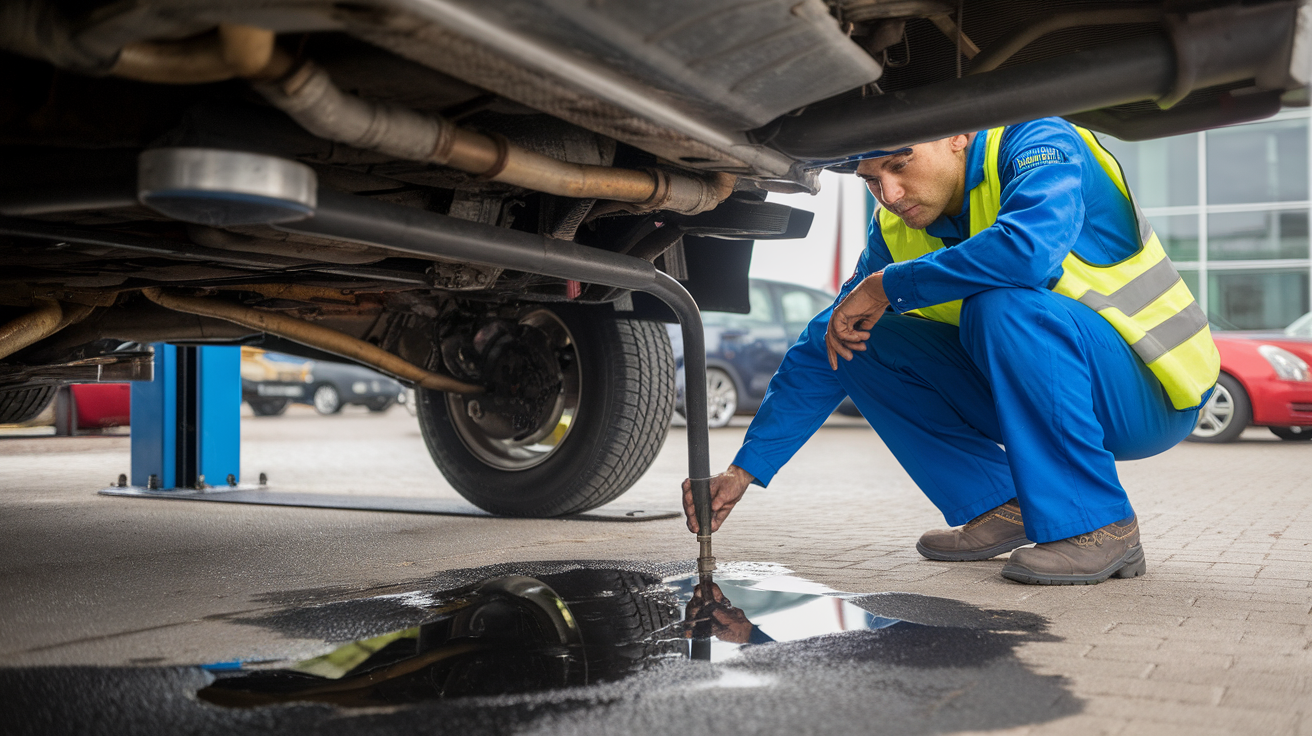
Visual checks, pressure tests, listening for leaks and approved leak-detection fluid each have a use. Smoke testing helps when a leak is difficult to see or reach. The right method depends on the system and fault.
A cracked hose below an intake manifold may be difficult to inspect directly. Properly connected smoke machinescan reveal vapour escaping from that area and help direct the next inspection.
Traditional leak detection methods have different limits. A visible check may miss a concealed joint, while a test performed under the wrong conditions can give a misleading result.
Smoke machines help locate leaks, but the technician still needs to confirm the fault and its effect on the vehicle. For a different type of engine check, see compression testers for engine diagnosis.
Step-by-Step Process | Using Smoke Machines in Professional Inspections
Start with the symptoms, fault codes and the vehicle’s test procedure. Check the equipment’s limits before connecting it. Smoke machines are used within a wider diagnostic process:.
- Seal the system
You start by isolating the system. Intake, EVAP, turbo—whatever’s being tested. Disconnect filters, block off open ends. If it’s not sealed, vapor escapes everywhere and tells you nothing. - Connect the smoke machine
Use the connection point specified for the vehicle and secure the hose. Check that the test setup itself is not leaking. - Activate vapor
Turn on the machine. Within seconds, diagnostic smoke should become visible. Use only the machine manufacturer’s approved fluid and follow its operating instructions. - Observe leak points
Use a light to inspect accessible joints, pipes and seals. Record where vapour escapes and whether more access is needed to confirm the source. - Document and repair
Document the leak and agree on the repair. Retest under the prescribed conditions afterward; also check whether the original symptom or fault code has been resolved.
This inspection workflow helps link a leak location to the repair recommendation. Keep records of the setup and results from the smoke machinesso the test can be compared after repairs.
Benefits of Smoke Machines for Workshop Efficiency
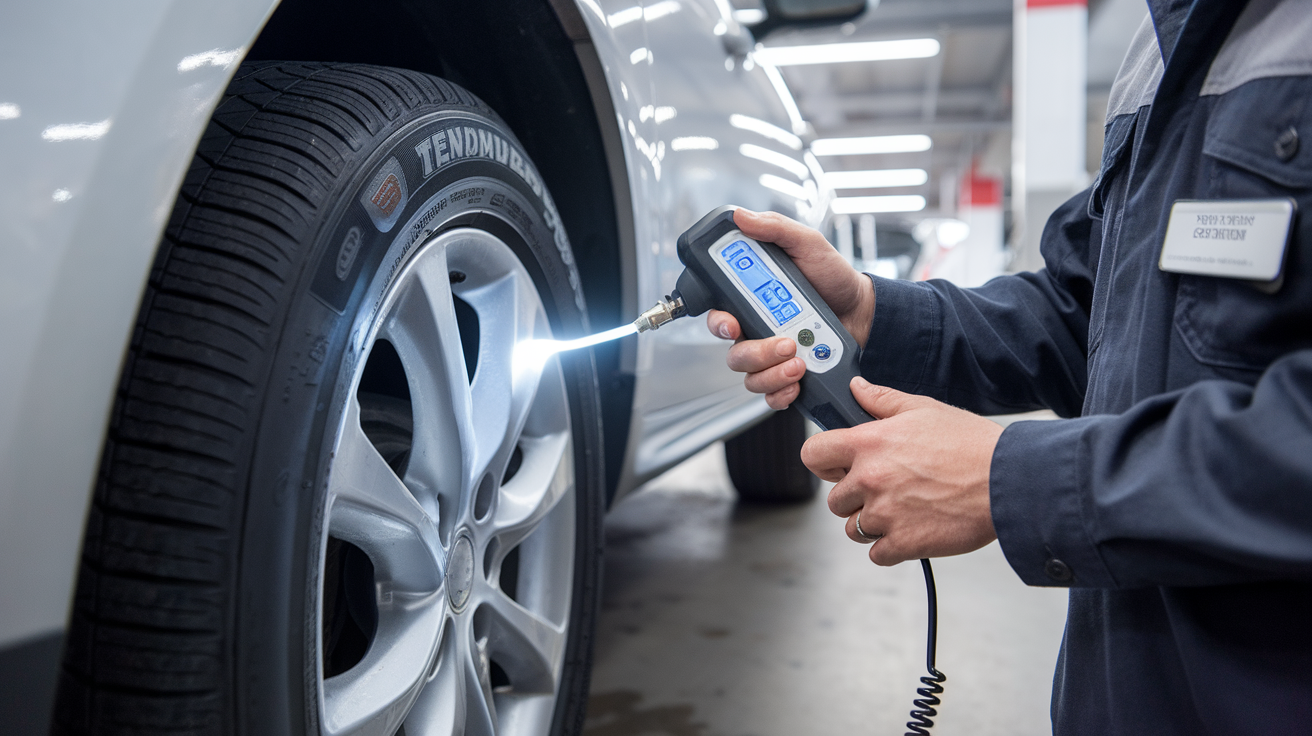
Locating a leak before ordering parts can reduce unnecessary replacement work. In suitable systems, smoke machines help technicians narrow down where to inspect.
A fault code can have several causes. A smoke machinemay help establish whether a leak is involved before a sensor or valve is replaced. Practical benefits include:
- Speed Visible vapour can help locate a leak without removing every surrounding component.
- Accuracy. The escaping vapour shows a location to inspect, which can then be checked against the reported fault.
- Customer trust. A photo of the leak helps explain the repair recommendation.
- Reduced part replacement: Confirming a leak can reduce unnecessary parts replacement.
Workshop diagnostics should connect symptoms, test results and the recommended work. Smoke machines provide one part of that diagnosis.
Give the customer the finding, the proposed repair and any checks still needed. A test result is more useful than a claim that a car is now fault-free.
Using Smoke Testing for EVAP Leaks
An EVAP fault code does not always identify the failed part. The technician may need to check hoses, connections and control components before deciding what to replace.
EVAP stands for Evaporative Emission Control System. It controls fuel vapour. Some leaks are difficult to locate visually, so compatible smoke machines can help locate them using the pressure and procedure specified for the vehicle.
If a leak is suspected near the filler neck or a concealed hose, a suitable smoke machinecan help show where vapour escapes. Confirm the source before repairing it, then follow the prescribed retest. Smoke machines are one diagnostic option. For other issues that can lead to a failed official vehicle test, read why cars fail RTA inspections in Dubai, which also covers brakes, tyres, lights and other checks.
Choosing the Right Smoke Machine for Your Inspection Service
Not all smoke machines have the same pressure range, power supply or connections. Choose diagnostic equipment for the vehicles and systems you actually test. Compare:
- Built-in compressor Check whether the machine has its own supply or needs compatible external equipment.
- Fast vapor generation: Compare warm-up time and vapour output within the approved operating range.
- Adjustable pressure control: Check the machine’s range against the vehicle procedure. Excess pressure can damage components.
- Heating element quality: Check the manufacturer’s service requirements, replacement parts and warranty.
- Portability: If you’re moving between bays or mobile inspections, weight and size matter.
A portable unit may suit mobile work, while a workshop may prioritise a wider pressure range or easier servicing. Compare specifications and support before choosing.
Smoke machines need compatible connections, approved fluid and an appropriate test procedure. Treat them as diagnostic equipment that requires training and maintenance, and include those costs when comparing units.
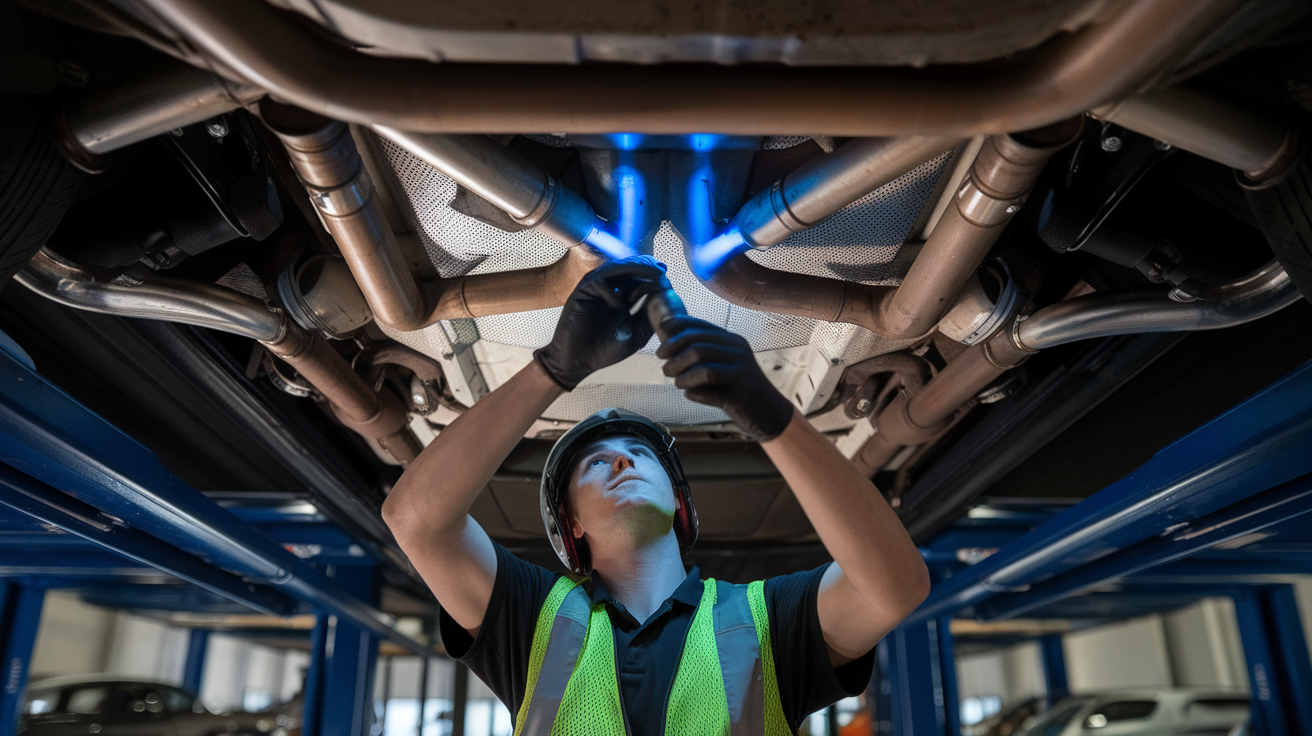
Leaks a Smoke Test Can Help Locate
Depending on the system and equipment, smoke machines can help investigate faults that are difficult to locate with a visual check alone.
For an EVAP leak, a technician may connect a smoke machineand inspect the filler-neck hose, joints and other accessible components for escaping vapour.
For suspected boost loss, a suitable leak detection test may reveal a split pipe or leaking connection. The test pressure and setup must follow the vehicle procedure. Smoke machines help locate escaping vapour. Further checks establish whether that leak explains the complaint and whether the repair has resolved it.
When to Include a Smoke Test
For suitable vehicle systems, smoke machines provide a practical method of leak detection . The result is most useful when combined with fault codes, symptoms and other checks that support diagnostic accuracy .
Recording the setup and retest results supports inspection reliability . Choose smoke machines for the required pressure range, connections and service support.