
A used luxury car may need checks of air suspension, fitted electronics and model-specific drivetrain systems as well as bodywork and general condition.
A luxury car inspection should cover the agreed vehicle evaluation for the model and fitted equipment. Ask which tests are supported and which require a separate specialist appointment.
Before buying, arrange a pre-purchase inspection to assess the accessible condition. Each luxury car inspection depends on the vehicle, age, specification and available access.
Why Luxury Cars Require Specialized Inspection?
Luxury cars are not built like regular vehicles, so why inspect them like one? Beneath the polished exterior of a Bentley or the aggressive stance of a Porsche lies a network of premium vehicle systems, each engineered with precision, each vulnerable in its way.
A standard garage might check fluids and brakes. We go further. Our luxury car inspection process includes exotic car diagnostics that support the fitted systems. Confirm coverage for adaptive suspension, transmissions and other model-specific modules.
Skipping a luxury car inspection can leave expensive systems unchecked. Ask about a professional car inspection in Dubai to avoid hidden risks. Hidden faults do not always show up on the dashboard. Some lurk in the transmission logic, others in the ECU memory. Without the right tools and experience, they stay hidden until they become your problem.
Luxury car inspection helps you assess the vehicle before buying and decide whether repairs or further tests are needed.
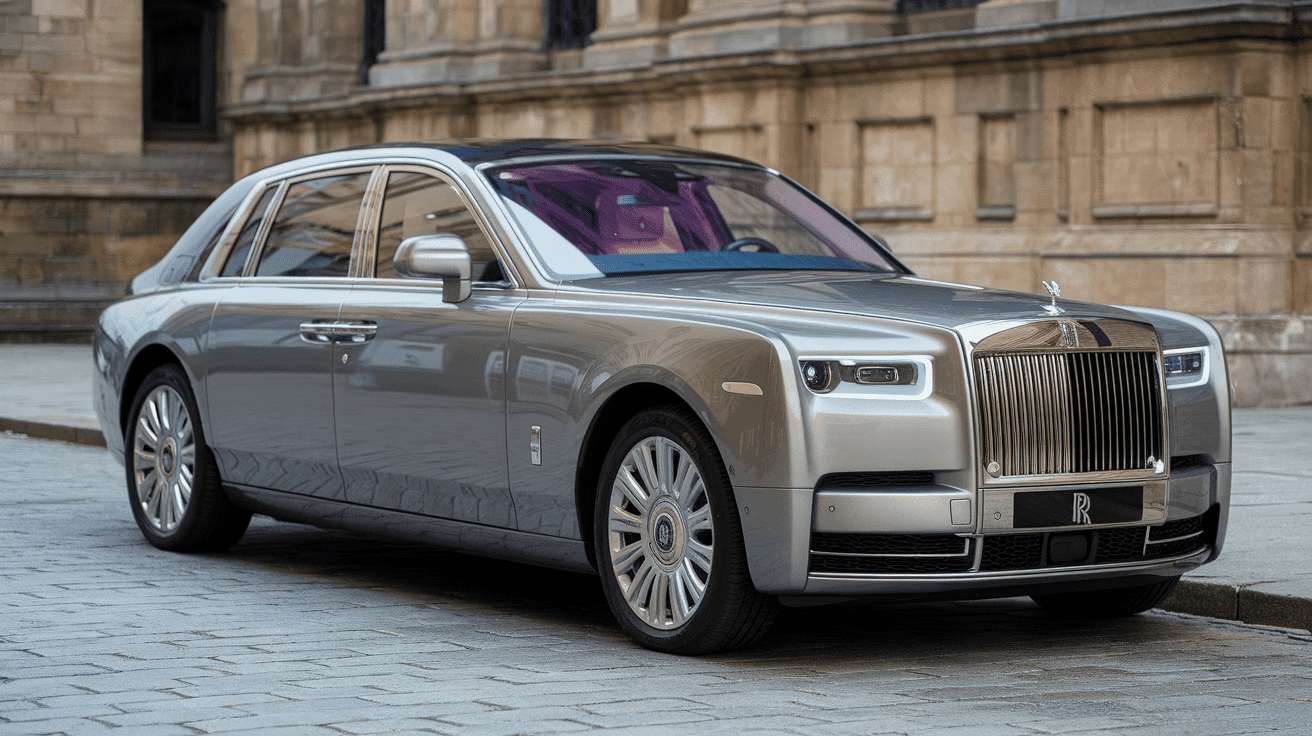
Luxury Car Pre-Inspection Documentation Review
Before a single bolt is checked, the paperwork tells a story. And sometimes, it is not a good one. A proper luxury car inspection starts with documents, ownership records, maintenance logs, and insurance checks. Compare service dates, recorded repairs and ownership information, and follow up on any gaps.
We verify the VIN against every record. If the number does not match across the registration documents and service history, something is off. Maybe it is a cloned identity. Maybe it is a rebuild. Either way, it is a red flag.
In Dubai’s market, where imported vehicles and re-exported units are common, this step is critical. That’s why most smart buyers turn to detailed car inspection in Dubai before signing any deal. A clean-looking car with a messy paper trail? That is not a deal. That is a liability. Luxury car inspection should compare the car’s current condition with the information supplied.
Mechanical System Evaluation
Luxury cars are engineered for performance, but that also means complexity. What feels smooth on the surface can hide mechanical stress underneath. A proper luxury car inspection checks the engine, transmission and drivetrain using the methods included in the booking:
- Engine Diagnostics
They run full diagnostic scans to assess combustion balance, idle behavior, and thermal efficiency.
If fuel trims are off or misfires are stored, it is flagged immediately. - Transmission Check
Test for rough shifts, delayed engagement, and torque converter lag.
Dual-clutch systems and CVTs are inspected under both automatic and manual modes. - Fluid Analysis
They check engine oil, transmission fluid, and coolant for color, smell, and viscosity.
Burnt or discolored fluids often point to internal wear. - Belt Condition
Visual inspection of serpentine and timing belts for cracks, fraying, or slack.
Even minor wear can lead to major failure. - Leak Detection
Professional inspect seals, gaskets, and undercarriage for oil or coolant seepage. - Leaks are common in older luxury models and are often ignored by sellers. Driveline Integrity
They assess CV joints, differential behavior, and transfer case operation.
Any vibration or noise under load is investigated.
Luxury car inspection records the condition observed during the checks; it cannot predict every future failure.
Electrical & Electronic Systems Check
Luxury cars are brilliant machines until they are not. One moment, the infotainment system is guiding you through Dubai Marina with crisp audio and flawless navigation. Next, the screen freezes, the backup camera glitches, and the dashboard lights up like a Christmas tree.
That is the thing about high-end vehicles. Their electronic systems are powerful, but also fragile. A proper luxury car inspection should identify which systems can be checked and what needs further testing:
- ECU Scan & Onboard Diagnostics
Modern luxury cars can have up to 100 ECUs. Each controls something—from engine timing to seat memory. A full scan reveals stored fault codes, even if no warning lights are showing. - Infotainment Systems
Freezing screens, laggy touch response, and audio dropouts are more than annoyances. They often point to software conflicts or failing modules. - Sensor Calibration
Lane assist, adaptive cruise, and parking sensors rely on precise calibration. Misalignment can disable entire safety systems. - Battery Health & Charging System
Luxury cars draw power even when parked. Weak batteries and faulty alternators are common, especially in Dubai’s heat. - Wiring Integrity
Corroded terminals, brittle insulation, and loose connectors can cause intermittent faults that are hard to trace.
Luxury car inspection should explain the current findings and any tests required to confirm the cause.
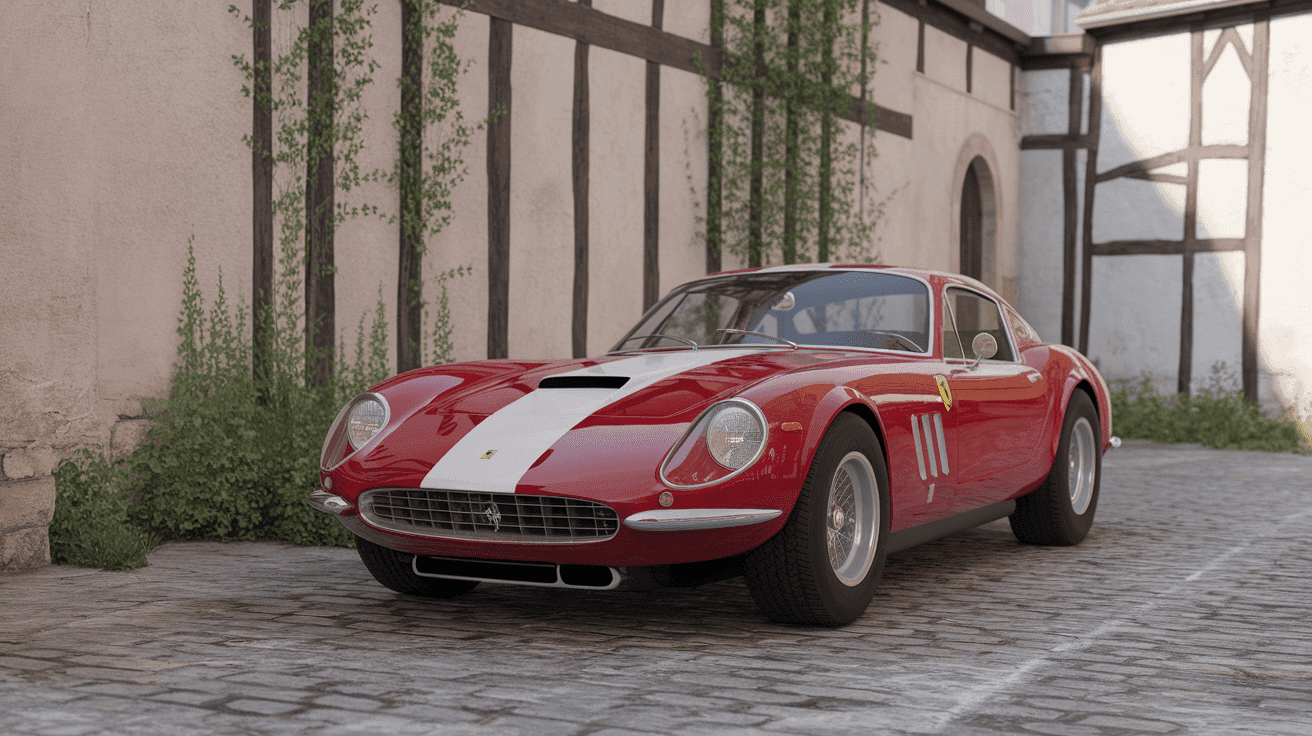
Exterior & Body Panel Assessment
Check panel fit, paint, signs of replacement and accessible structure alongside the cosmetic finish.
A proper luxury car inspection can include checks of bodywork, panels, repairs and corrosion:
- Paintwork Analysis
Uneven gloss, mismatched shades, or overspray around edges often point to repainting.
Factory paint has a consistent depth and texture; repairs rarely match it. - Panel Alignment
Gaps between doors, fenders, and trunk should be uniform.
Misaligned panels suggest accident history or poor bodywork. - Corrosion Check
Rust is not always visible. We inspect wheel wells, under door seals, and the undercarriage. Dubai’s humidity and coastal air accelerate corrosion in hidden zones. - Bumper Condition & Seal Integrity
Loose bumpers or cracked seals can indicate previous impact.
Even minor collisions can shift structural components. - Accident Repair Signs
Weld marks, non-OEM fasteners, and inconsistent panel thickness are red flags.
Luxury vehicles often undergo cosmetic fixes that mask deeper damage.
Luxury car inspection should explain which visible repairs need closer assessment.
Interior Condition & Cabin Systems Inspection
Check the cabin for wear, moisture and faults in the fitted features. A luxury car inspection may include the agreed seats, controls, displays and other functions:
- Upholstery Wear & Leather Condition
Nappa leather might look flawless, but creases, discoloration, or uneven texture can reveal heavy use or poor care.
Hand-stitched seats should feel consistent; any sagging or stiffness is a red flag. Dashboard Electronics & Infotainment Test
We test screen responsiveness, software version, and audio clarity.
Luxury infotainment systems often fail silently, until they freeze mid-drive. - Climate Control & HVAC Systems
We check airflow, temperature accuracy, and vent behavior.
Check AC cooling and controls because repairs may affect the buying budget. - Odor Detection & Mold Signs
Musty smells or foggy windows can point to water intrusion.
Mold often hides under carpets or behind panels.
Luxury car inspection should identify the cabin functions checked and any faults found.
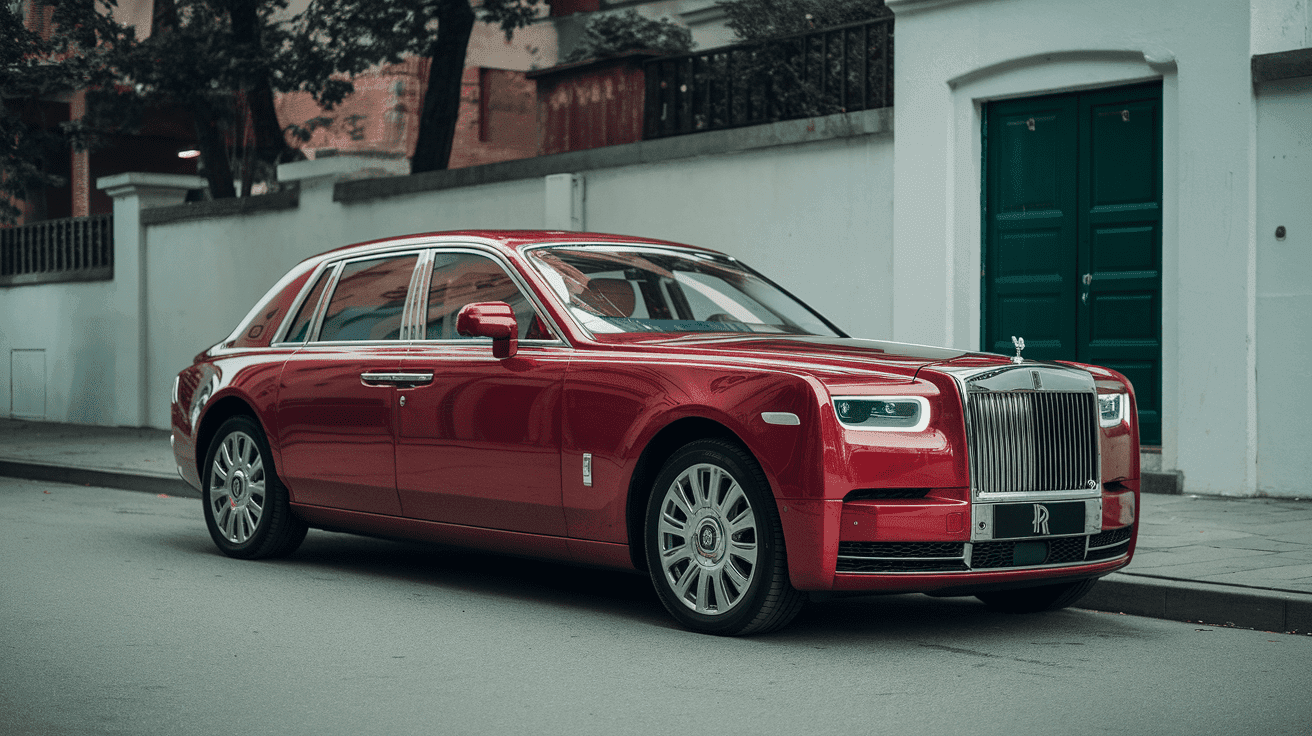
Tires, Wheels & Brake System Inspection
In any luxury car inspection, the tires and brakes aren’t just safety checks—they’re performance indicators. High-end vehicles demand precision, and even minor wear can throw off the ride. Here’s how pros assess the essentials:
- Tire Wear Pattern & Alignment
Uneven tread wear often signals poor wheel alignment or suspension imbalance.
Luxury tires should wear evenly across the surface; cupping or feathering means trouble. - Brake Pad Thickness & Rotor Condition
We measure pad depth and inspect rotors for scoring or warping.
A luxury car should stop smoothly; any vibration or noise during braking is a red flag. - Brake Fluid Test & Suspension Feedback
Fluid clarity and pressure are tested to ensure responsive braking.
Suspension is checked for bounce, noise, and feedback.
Luxury suspensions should feel firm yet floaty, not harsh or disconnected. - Signs of Vibration or Pulling
During a road test, we monitor for steering pull or brake shudder.
These symptoms often trace back to warped rotors or misaligned wheels.
A thorough luxury car inspection goes beyond tread depth. It’s about how th
Diagnostic Scanning & Fault Code Analysis
Modern luxury cars are rolling computers. Beneath the leather and chrome lies a network of ECUs, sensors, and software that demand precision diagnostics. That’s why any serious luxury car inspection includes a full OBD-II scan and fault code analysis. Here’s how professionals uncover hidden issues:
- OBD-II Scan & Fault Code Interpretation
Technicians use brand-specific tools, like ISTA for BMW or PIWIS for Porsche, to access deep system data.
Generic scanners miss critical modules like adaptive suspension or lane assist. - Sensor Errors & Warning Lights
We decode Diagnostic Trouble Codes (DTCs) to identify failing sensors, misfires, or electrical glitches.
A single fault code can reveal a chain of hidden problems. - System Calibration & Live Data Monitoring
Real-time data helps assess throttle response, transmission behavior, and brake system feedback.
Luxury diagnostics go beyond error codes; they track performance trends. - Software Updates & ECU Reprogramming
Outdated firmware can cause lag, glitches, or compatibility issues.
Confirm whether software-status checks are included. Updates, coding and programming are separate unless expressly agreed.
A proper luxury car inspection can read supported electronic information; physical and electrical tests may still be needed.
Road Test Evaluation
A static inspection only tells half the story. The real truth comes out on the road. That’s why every luxury car inspection may include a road test where permitted and safe:
- Acceleration Test & Gear Shift Smoothness
We assess throttle response, turbo lag, and transmission behavior.
Luxury cars should accelerate with grace, not hesitation. - Steering Feedback & Suspension Behavior
Cornering reveals steering precision and chassis balance.
A well-tuned suspension absorbs bumps without float or harshness. - Brake Response & Vibration Detection
Brakes are tested for linearity, noise, and fade resistance.
Any pulsing or delay signals indicate rotor or pad issues. - Cabin Noise & Insulation Check
We listen for wind intrusion, rattles, and drivetrain hum.
Luxury cabins should feel like sealed cocoons, even at 120 km/h.
A proper luxury car inspection doesn’t just measure performance. It evaluates how the car makes you feel behind the wheel.
Reporting & Post-Inspection Recommendations
Once the inspection is complete, the real value lies in the report. A professional luxury car inspection should explain the findings and recommended actions:
- Inspection Report & Condition Summary
Every system, mechanical, electronic, or cosmetic, is documented with severity ratings.
This helps buyers prioritize repairs and understand long-term implications. - Repair Estimate & Software Update Notes
Technicians provide cost breakdowns for parts, labor, and software recalibration.
Luxury cars often require brand-specific tools and OEM parts, and costs can vary widely. - Purchase Advice & Negotiation Leverage
The report highlights deal-breaking issues and minor flaws.
Buyers use this to negotiate price or request repairs before closing. If you’re shopping second-hand, check our used car inspection checklist to spot risks before handing over cash. - Resale Value Implications
A clean report boosts resale confidence.
Conversely, unresolved faults can tank value, even in high-demand models.
A thorough luxury car inspection should leave you with findings to discuss and questions to resolve before buying.
Use the findings before committing
Confirm the luxury car’s fitted systems and the checks included before booking. After the inspection, review important findings, incomplete tests and any repair estimates needed. The report can help you discuss the car with the seller, but it cannot guarantee future reliability or a particular selling price.