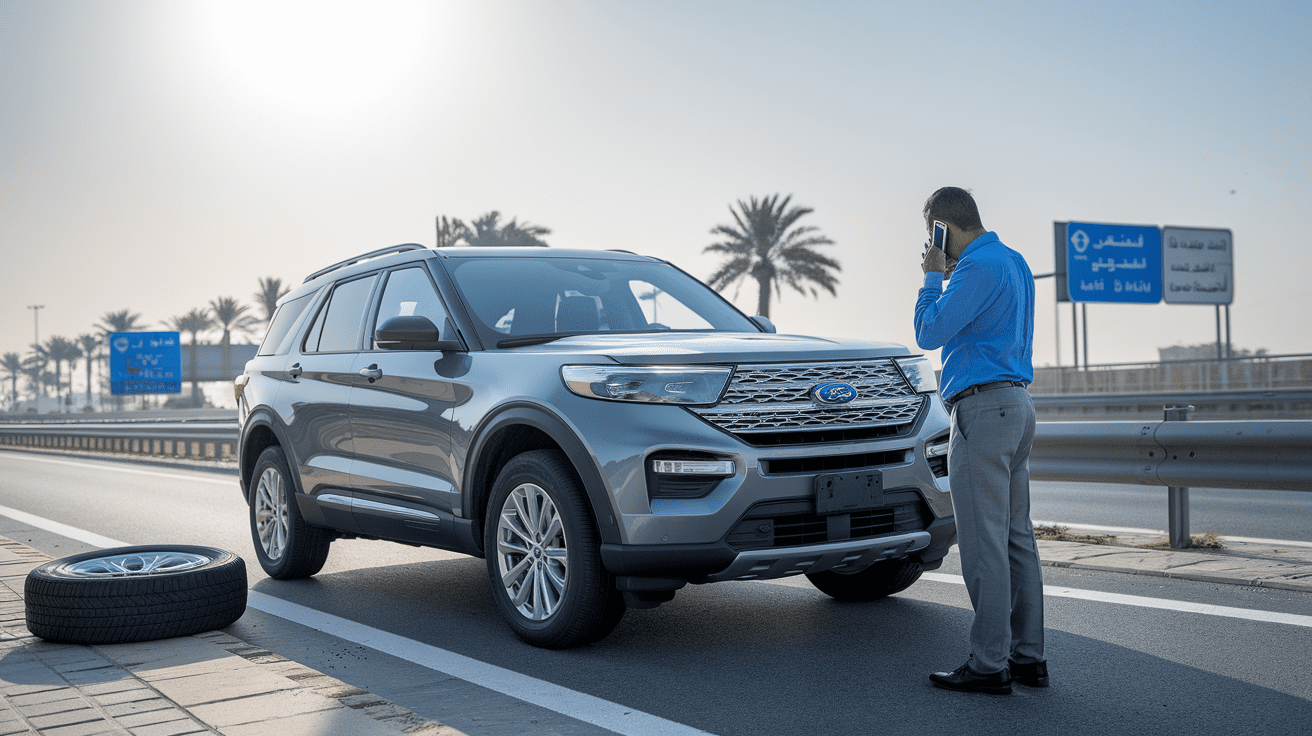
Arrange a car safety inspection if you notice a change in braking, steering, tires, lights or other safety-related systems. Periodic checks can also help identify wear and maintenance needs.
1. Find problems that need attention
Some wear has few obvious symptoms. Agreed car safety inspections can identify accessible concerns that need repair or further testing.
- Brakes: Brake pads might wear down silently, and discs can warp without any obvious symptoms until it’s almost too late. Worn brakes mean your stopping distances increase, which can be deadly in sudden traffic stops common in Dubai. The inspection measures pad thickness, checks for disc smoothness, and tests brake fluid quality. Old or contaminated brake fluid lowers hydraulic pressure, causing brakes to feel spongy or unresponsive.
- Suspension and Steering: Loose ball joints, worn shock absorbers, or failing springs can lead to uneven tire wear and unstable handling. The worst part? You might only feel subtle vibrations or hear faint clunks. The car safety inspection identifies these issues so you can fix them before they cause loss of control or tire blowouts.
- Electrical and Engine Diagnostics: Modern cars are computers on wheels. Sometimes a sensor or module might be on the fritz without turning on your check engine light. The inspection includes scanning the car’s onboard diagnostics for error codes that hint at underlying problems, saving you from costly engine failures or safety system malfunctions down the line.
Catching these issues early during a car safety inspection can identify maintenance and repair needs.
2. Understand the Official Testing Requirements
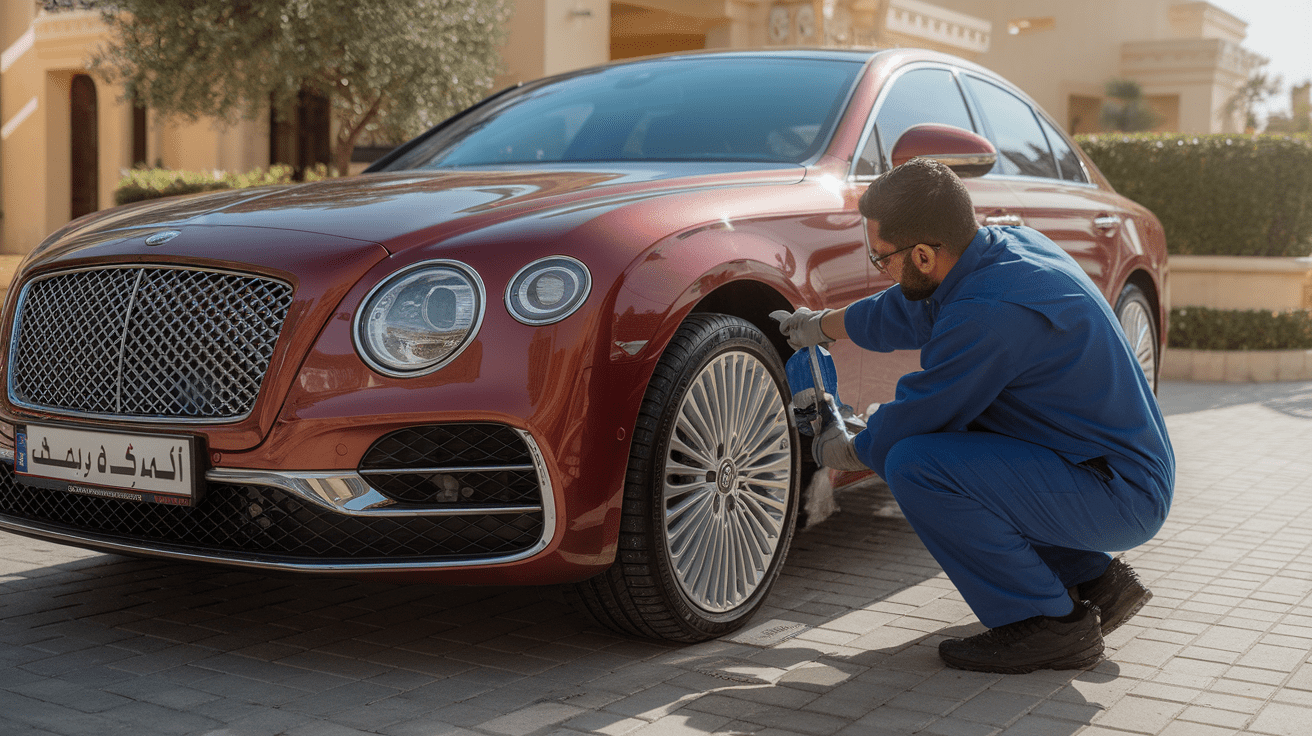
Check whether your vehicle needs an official test for registration or renewal. A private car safety inspection is a separate service and does not replace that test.
- Legal Compliance: Use an authorised testing centre for the official result. Ask our car inspection experts in Dubai about private checks to assess concerns beforehand.
- Avoid Roadside Penalties: Police checkpoints often include inspection certificate verification. Being caught without a valid certificate can lead to immediate penalties or your vehicle being impounded.
- Insurance Benefits: Many insurance companies require valid inspection certificates before paying out claims. Driving without one might invalidate your coverage, putting you on the hook for all damages if you crash.
Keeping your car safety inspection current means you stay on the right side of the law and avoid unnecessary hassles.
3. Improve Vehicle Reliability and Car Safety Inspection Performance
An inspection can reveal problems that affect running, wear or fuel use. Correct diagnosis and repairs are then needed to address them.
- Engine Health: Checks may include belts, hoses, fluids and filters where agreed. For engine concerns, see our engine health inspection service covers everything from leaks to performance diagnostics. For example, worn belts can snap unexpectedly, leaving you stranded. Low or dirty engine oil reduces performance and causes premature wear.
- Tires and Fuel Efficiency: Check tire pressures against the vehicle’s specifications and inspect for uneven wear or damage. Pressure and fitment can affect handling and fuel use.
- Driving Comfort: Suspension and steering systems impact how your car handles bumps and corners. Worn parts cause bumpy rides and unpredictable steering, which can tire you out and reduce control during emergency maneuvers.
A thorough car safety inspection keeps all these systems tuned, saving you money at the pump and reducing breakdown risks.
4. Protect Passengers and Other Road Users after Care Safety Inspection
Your car is a cocoon for your passengers and a moving hazard to others if not properly maintained. A car safety inspection ensures that safety-critical systems are working exactly when they need to.
- Braking Systems and Airbags: Have changes in braking and restraint warnings investigated promptly. A private inspection can identify accessible concerns but cannot guarantee crash protection or future system operation.
- Lighting and Signals: Properly functioning headlights, brake lights, and turn signals let other drivers see you and anticipate your moves. This is critical in Dubai’s heavy traffic and night driving. Broken or dim lights cause accidents and are common reasons for failed inspections.
- Structural Safety: Inspections check for frame damage or corrosion that could weaken your car’s protective shell. Even small dents or rust can affect how your car performs in a collision.
Investing in regular car safety inspections is investing in the lives of your family and fellow road users.

5. Save Money by Avoiding Costly Repairs | Car Safety Inspection
A small problem today can become a massive headache tomorrow. Regular car safety inspections catch these issues before they wreck your car or your budget.
- Early Repairs Are Cheaper: Fixing worn brake pads or replacing tires early costs a fraction of a full brake system rebuild or accident repair. The car safety inspection helps you catch these cost-effective fixes.
- Avoid Emergency Costs: Breakdown towing, on-the-spot repairs, or emergency mechanic visits are expensive and stressful. Routine inspections prevent unexpected failures.
- Extend Vehicle Life: Consistent maintenance and early issue detection slow wear and tear, extending your vehicle’s lifespan and delaying the need for costly replacements.
Think of your car safety inspection as a financial shield against surprise expenses.
Technology and Tools Used in Modern Car Safety Inspections
Ever wondered how a car safety inspection today is way more high-tech than just a quick look under the hood? Welcome to the age of computerized diagnostics and OBD scanners, tools that turn what used to be guesswork into precise science.
Use of OBD Scanners and Computerized Diagnostics
OBD (On-Board Diagnostics) scanners plug directly into your car’s computer system and pull detailed info about engine performance, emission levels, and electrical systems. Instead of just eyeballing parts, mechanics can now see exactly which sensors are throwing errors, which components are failing, or if there’s a lurking issue that hasn’t yet triggered a warning light. This technology speeds up the car safety inspection and helps catch problems that traditional checks might miss. Our blog on car diagnostic explains how these tools work beyond routine inspections
How Modern Inspections Differ from Old-School Visual Checks
Gone are the days when inspections were just about poking and prodding parts. Today, car safety inspections combine physical checks with high-tech data analysis. While the mechanic still tests brakes, tires, and lights by hand, computerized tools provide a digital health snapshot of your car. This hybrid approach makes the car safety inspection more thorough and accurate than ever.
Benefits of Using Garages with Advanced Equipment
Ask about equipment compatibility, measurements and the tests needed to investigate the symptom. Tools alone do not confirm a diagnosis.
Incorporating technology into your car safety inspection helps investigate the supported systems when readings are interpreted with physical checks.
Differences Between Routine Maintenance and Care Safety Inspections
Ever wondered why your mechanic talks about routine maintenance one day and car safety inspection the next? Maintenance and inspections serve different purposes.
What Routine Services Cover vs What Car Safety Inspections Specifically Check
Maintenance includes scheduled work such as oil and filter changes and other service items specified for the vehicle.
On the other hand, a car safety inspection examines the agreed safety-related components and functions, such as brakes, steering, suspension, tires and lights. Official testing is a separate requirement.
Why Both Are Necessary but Serve Different Purposes
Skipping routine maintenance can lead to engine problems, poor fuel economy, and costly repairs down the line. But ignoring car safety inspections puts you and everyone around you at immediate risk, because worn brakes or faulty lights don’t just cause breakdowns, they cause accidents.
In other words, routine maintenance keeps your car running well day-to-day, while car safety inspections identify concerns that may require further testing or repair. Follow the vehicle’s maintenance schedule as well.
Keeping up with both your routine service and regular car safety inspections is the smartest way to avoid surprises and keep your ride smooth and safe.
Differences Between DIY Safety Checks and Professional Car Safety Inspections
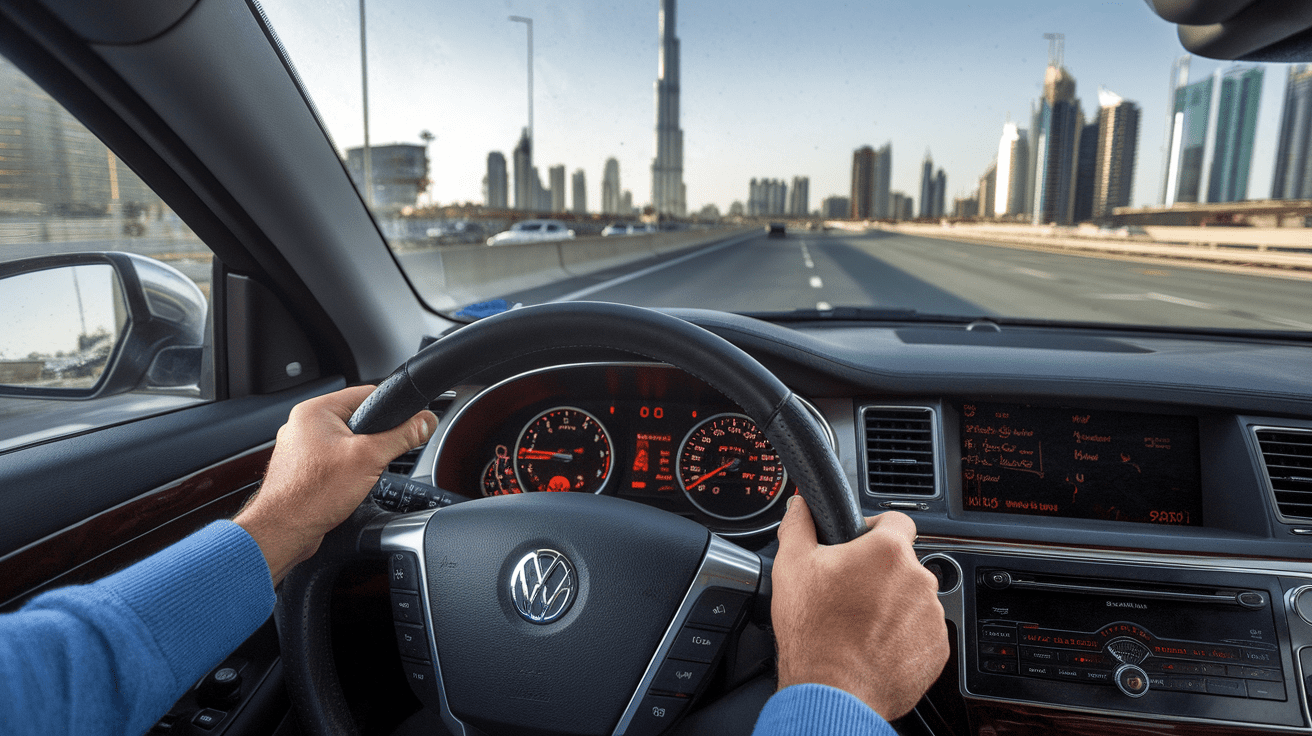
Thinking you can just eyeball your car and skip the official car safety inspection? Hold up, it’s tempting but there’s a big difference between what you can do yourself and what a pro mechanic covers during an inspection.
What You Can Check Yourself at Home
- Visual inspection of tires: You can check tread depth, look for cracks, bulges, or uneven wear. Keeping tires properly inflated is easy too.
- Test lights and signals: Walk around your car to make sure headlights, brake lights, and indicators are working. Replacing bulbs is usually a simple DIY job.
- Check fluid levels: Oil, coolant, brake fluid, and windshield washer fluid can be topped up or changed if you’re confident. Low fluids often cause bigger problems later.
- Listen and feel: If you hear grinding noises, feel vibrations, or notice handling quirks, those are signs you need a professional car safety inspection soon.
Why Professional Car Safety Inspections Are Essential | Safety First
- Comprehensive system checks: Professionals inspect brakes for wear, test suspension and steering components for safety-critical faults, and perform emissions and exhaust tests during the car safety inspection.
- Use of diagnostic tools: Mechanics use OBD scanners and other technology to detect hidden electronic or engine problems that DIY checks can’t find.
- Legal certification: A professional car safety inspection provides you with the required certificate needed for vehicle registration and insurance in Dubai.
- Safety beyond the obvious: Pros identify issues like worn brake pads not yet causing noise, leaking fluids hidden under the car, or compromised airbags, things you’re unlikely to spot on your own.
While regular DIY checks help keep your car in shape between visits, they’re no substitute for a full professional car safety inspection. Both play a role, but when it comes to your safety and legal compliance, the experts’ eyes and tools are irreplaceable.
Stay Safe on Dubai Roads | Why Regular Car Safety Inspections Matter
Tell us about the car and any concern to arrange a car safety inspection . Confirm the checks, access, report and price before booking.
Skipping your car safety inspection can leave wear or faults unexamined. Arrange checks for symptoms and maintenance needs, and follow official testing requirements separately.
Contact Inspector to discuss the checks your car needs.