
Car tire inspection in Dubai
Check tires for damage, low tread, pressure problems, ageing and uneven wear. Inspector explains any urgent concerns and whether the car needs a workshop check, tire removal or another test. For a wider vehicle inspection, see our car inspection services in Dubai.
Last reviewed September 4, 2026
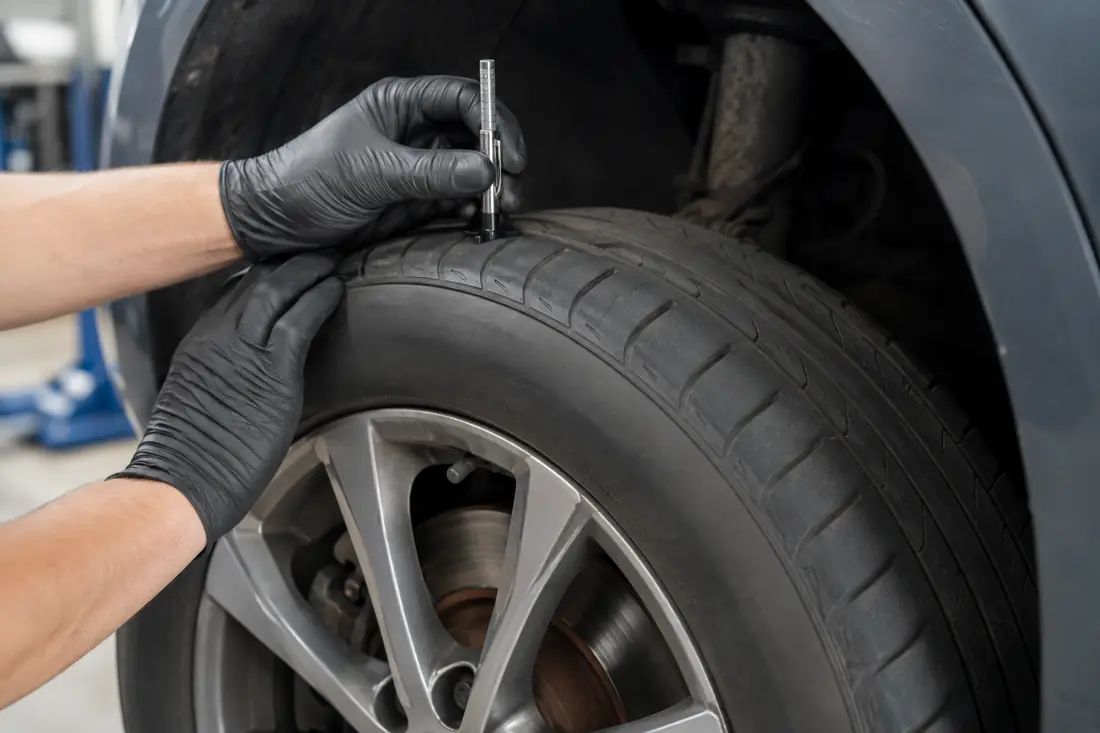
What a car tire inspection checks
A useful inspection treats each tire as part of a four-corner system. It measures available tread, examines the full visible circumference, reads wear patterns, compares pressures and specifications, reviews manufacturing date codes where accessible, and checks the wheel and nearby brake or suspension evidence.
The result should distinguish an immediate safety concern from maintenance, monitoring and a deeper workshop question. It should not call a tire healthy only because the center tread looks acceptable. When tire evidence needs to be read beside brakes, steering, fluids and diagnostics, use a multi-point car inspection.
Pressure, load, heat, alignment, balancing, suspension, steering and brake drag can all affect tire condition. The tread and sidewalls may show signs worth investigating.
Compare every tire before judging one
Compare the tires across both axles and measure inner, centre and outer tread positions. One visible patch can miss an uneven wear pattern.
Front left
Steering input, kerb exposure, braking load and alignment can produce evidence that differs from the opposite side.
Front right
Compare tread depth, pressure, shoulder wear, date code, wheel condition and repair evidence with the other front tire.
Rear left
Driven-axle load, suspension geometry, pressure history and rotation practice influence the rear wear pattern.
Rear right
A different brand, model, size, age or construction on the same axle needs to be recorded and interpreted in context.
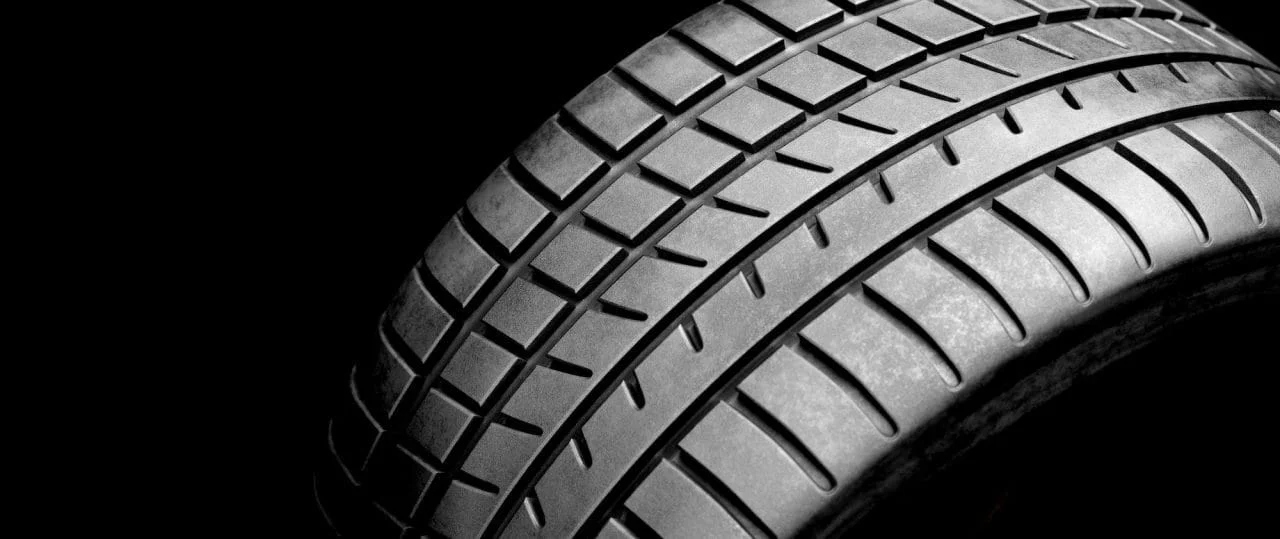
Measure across the tread
Tread should be checked at several positions across the width and around the circumference where access allows. A center measurement alone can miss a worn inner shoulder, feathering, a local flat area or damage hidden near the vehicle side. Readings also need axle context: a difference between tires may indicate rotation history, replacement of one tire, alignment drift or a mechanical issue.
Wear indicators provide a quick reference, but the inspection should not reduce the decision to a single pass or fail statement. Wet-road margin, tire construction, vehicle weight, power delivery and the customer’s planned use all affect the practical decision. A tire close to its limit may still require replacement planning even when one groove remains above a legal minimum.
Small stones in grooves are not the same as a penetrating object. A nail or screw may be sealing its own puncture and should not be removed casually outside a controlled repair setting. The report should photograph the object, note pressure evidence and recommend an appropriate tyre-shop assessment.
What uneven tire wear can indicate
Wear patterns help identify what to check, but do not establish the cause alone. Pressure history, alignment, suspension condition and driving symptoms may need review before repairs.
Review inflation and load
Heavier center wear can be consistent with an inflation or application issue, but the tire profile, vehicle specification and operating history matter. Confirm pressures cold where practical and compare them with the vehicle information label rather than a generic number.
Look beyond low pressure
Wear on both outer shoulders may reflect prolonged underinflation, load, repeated cornering or service history. Check for heat effects, sidewall stress, valve condition and whether the vehicle has been driven while pressure was low.
Check alignment and components
Strong inner or outer shoulder wear can point toward geometry, camber, toe, ride height or worn components. A tire inspection can record the pattern; alignment measurement and mechanical checks establish the cause.
Confirm directional wear
Run a protected hand lightly across the tread only when safe. A directional sharp-and-smooth feel can support a toe-related question, but exposed cords, sharp debris or damaged rubber must not be touched.
Inspect damping and balance
Repeated high and low patches may be associated with damping, wheel balance, runout, looseness or a tire issue. Road noise and vibration context help determine the next workshop test.
Ask how the car was stored
A local patch may follow braking, long storage, a locked wheel or tire distortion. Rotation on a lift, wheel runout checks and a controlled road test may be needed to separate temporary flat spotting from damage.
Damage can make a tire unsafe despite remaining tread
A tire with generous tread can still be unsuitable if its sidewall has a bulge, deep cut, exposed reinforcement, bead damage or evidence of running while deflated. Sidewalls flex continuously and are not judged in the same way as the central tread area. When the finding may affect immediate use, review the wider car safety inspection checks.
Surface marks need interpretation. Light cosmetic scuffing differs from a cut that reaches structural material. Fine ageing marks differ from a fresh impact split. The inspector should record location, depth as far as it can be seen, pressure status and whether the wheel carries a matching impact mark.
Repairs also need context. A visible plug does not prove how the inner liner was inspected or whether the puncture falls within a repairable area. Confirmation may require tire removal by a tire specialist. The inspection should not invent internal condition from an external view.
Bulge or deformation
Treat a sidewall bulge or abnormal shape as an urgent concern and avoid unnecessary driving until assessed.
Cut or exposed material
Record depth and location without probing damage in a way that could worsen it.
Pressure loss
Look for a penetrating object, valve leakage, rim damage or bead-area evidence; use controlled testing for confirmation.
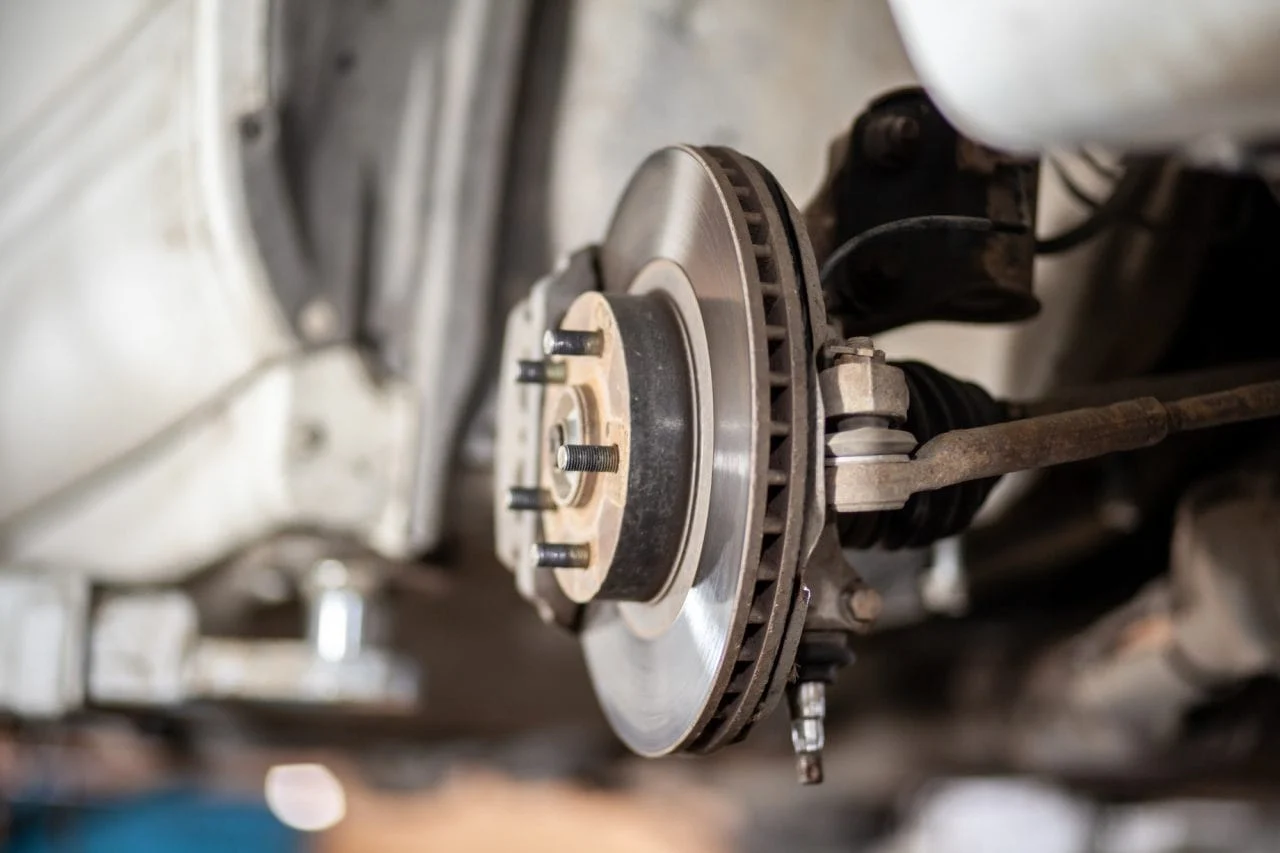

Size, load, speed and date markings
A tire can look new and still be the wrong choice for the vehicle or axle. The inspection should record accessible markings and compare the fitted set with the vehicle’s specification and intended use.
| Marking or feature | What the inspector records | Why it affects the decision |
|---|---|---|
| tire size | Width, aspect ratio and wheel diameter on each fitted tire. | Mixed or incorrect sizing can affect clearance, gearing, stability systems and axle behavior. |
| Load and speed marking | The visible service description and whether axle pairs match. | A visually similar tire may have a different load-carrying or speed capability. |
| Construction and type | Run-flat or conventional construction, directional or asymmetric markings, and special fitment clues. | Mixing types can change ride, handling, pressure response and replacement decisions. |
| Manufacturing code | The accessible date code and whether the inner sidewall hides another tire’s code. | Age supports condition assessment but does not replace examination of storage, cracking, damage and use. |
| Brand and model | Whether tires match across each axle and, where relevant, across all four positions. | Different compounds and constructions can behave differently even when nominal size matches. |
| Rotation direction | Arrow direction or outside/inside marking where fitted. | Incorrect mounting can compromise intended water evacuation or tread function. |
The code visible on one sidewall may not include every detail needed. Do not claim all four dates were verified if access only exposed two.
A car tire inspection should also distinguish general safety guidance from vehicle-specific fitment. Dubai RTA’s current summer tyre-maintenance guidance advises correct pressure, sound structure and checks for cracks. Continental’s official tire-size guide explains sidewall size, construction, load and speed markings. Compare those markings with the exact vehicle manufacturer specification. These references do not imply affiliation with Inspector.ae.
Check pressure when the reading means something
tire pressure changes with temperature and recent driving. A reading taken after a long road test cannot be compared casually with a cold-pressure label. The report should state the test condition, the displayed or measured pressure, and the reference used. If the vehicle arrived with warm tires, the limitation should remain visible.
Compare all four readings rather than focusing on one tire. A consistent offset may reflect the test condition or previous setting. One low tire raises a different question: puncture, valve, bead, wheel or slow leakage. Rechecking after an interval, applying leak-detection solution or removing the wheel may be necessary.
A tyre-pressure monitoring warning does not identify the failed part by itself. Direct systems use pressure sensors; indirect systems infer differences through wheel-speed behavior. Sensor battery condition, wheel changes, calibration, communication and pressure history can all affect the warning. Diagnostic access and the correct reset procedure may be required. The car computer diagnostics guide explains why fault information still needs physical confirmation.

Alignment
Toe, camber, caster and thrust-angle questions require measurement on suitable equipment. tire wear can justify the test but cannot supply the alignment values.
Wheel balance
Speed-related vibration may involve imbalance, tire variation, wheel damage, runout, mounting or another rotating component. A visual check cannot separate every cause.
Suspension
Worn bushes, joints, dampers, springs or altered ride height can influence tire contact and wear. Inspect accessible components and recommend loaded or lifted checks as appropriate.
Steering
Free play, pulling, off-center steering and inconsistent return can add context. Road camber, tire construction and pressure differences must also be considered.
Brakes
Unequal temperature, drag or a braking pull can affect a wheel corner. A tire inspection does not replace brake measurement or dismantling where needed.
Wheels
Cracks, bends, impact marks, corrosion and bead-seat damage can influence pressure retention and vibration. Some damage is hidden until the wheel is removed or rotated.
Choose mobile or workshop car tire inspection
Choose the setting around the evidence required. Customers searching for a car tire inspection near them can share the vehicle, tire concern and location first. Inspector can then confirm whether a mobile check is suitable or whether the Al Quoz 4 workshop is needed for lifting, wheel rotation, inner-side access or related measurements. Both formats are useful only within the access and test conditions available. The mobile car inspection page explains seller-location access and workshop escalation in more detail.
Mobile inspection
A mobile check can document visible tread, accessible sidewalls, pressure, specification, wheel condition and obvious wear patterns at the vehicle’s location. It suits a screening decision when the car is on level, safe ground with enough space and light.
- Outer sidewalls and accessible tread
- Pressure comparison under stated conditions
- Visible wheel and valve condition
- Static steering and suspension clues
- Road behavior only when permission and conditions allow
Inner shoulders, the complete circumference and underside areas may remain partly hidden. Parked vehicles, low body clearance, unsafe traffic areas or seller restrictions reduce access further.
Workshop inspection
Workshop access can allow safe lifting, wheel rotation and closer inspection of inner shoulders, wheels, brakes and suspension. If the brief includes vibration, suspected damage or a slow leak, workshop equipment may provide a more useful route.
- Lift-supported inner-side viewing
- Wheel rotation and runout observations
- Leak testing where agreed
- Balancing or alignment referral/testing where included
- tire removal by an appropriate specialist when necessary
The quote should state whether alignment measurement, balancing, tire removal, puncture repair or replacement is included. These are not automatically part of every inspection.
Heat does not replace inspection
High ambient temperature, sun exposure and vehicle storage form part of the history, but age or climate alone cannot decide tire condition. Physical evidence still leads. tires should also be reviewed as part of an annual vehicle inspection rather than waiting for a warning or visible failure.
A manufacturing date is evidence, not an automatic verdict. Storage, exposure, construction, maintenance, damage and the tire maker or vehicle maker’s guidance all belong in the decision.
Prioritize car tire inspection findings
The report should show which corner is affected, what was observed, how confident the observation is, what access was available and what action is proportionate. Photos and measurements help the buyer or owner compare findings after the inspection. The detailed car inspection report guide explains how to read the findings, test limits and recommended actions.
It should also separate the tire itself from possible causes. “Inner shoulder worn” is an observation. “Alignment requires measurement” is a next step. Calling a specific suspension part failed without supporting evidence would overreach.
Immediate driving concern
Examples include a serious bulge, exposed structural material, severe pressure loss or damage that makes continued driving unsafe. The exact action depends on the finding and location.
Replacement or repair decision
Low tread, ageing, repeated puncture evidence, mismatched axle tires or meaningful damage may require prompt tyre-specialist assessment and a replacement plan.
Find the cause
Uneven wear, vibration, pulling or repeated pressure loss can justify alignment, balance, leak, runout, suspension, steering or brake testing.
Record the current condition
Minor cosmetic marks or small cross-axle differences may be documented for comparison, with a clear trigger for rechecking.
Tire inspection prices
The cost depends on whether the customer needs a visual tire check, a broader safety inspection, a pre-purchase assessment or workshop testing for a specific symptom. Vehicle size, wheel design, access, number of tires, tyre-pressure monitoring, lifting, wheel removal and the need for alignment or balancing equipment all change the scope.
Do not compare a quick pressure and tread check with an inspection that includes wheel rotation, inner-side access, suspension context and a written report. They answer different questions. Repair and replacement are separate decisions, and the final tire price depends on specification, brand, availability and whether tires must be replaced as an axle pair or matched set.
For inspection package guide prices and VAT details, see the car inspection cost guide. For a used-car purchase, the tire findings should sit inside a broader pre-purchase car inspection rather than being treated as proof of the whole vehicle’s condition.
Keep the tires available for inspection
Preparation should make the vehicle safe to inspect without erasing the symptom or changing the condition the appointment is meant to assess.
Do not inflate first
If pressure loss is the concern, record the warning and current pressure before adding air unless immediate safety requires inflation or recovery. Tell the inspector what changed.
Describe the vibration
Note the speed range, whether it is felt through the steering wheel or seat, whether it changes under braking, and when it began.
Bring tire history
Provide replacement invoices, rotation or alignment records, puncture repairs and any recent wheel or suspension work where available.
Allow safe access
Park on firm, level ground with room around the vehicle. Provide the locking-wheel key if wheel removal may be required.
Keep the object in place
Do not pull out a screw or nail before controlled assessment. Removing it can turn a slow leak into rapid pressure loss.
Questions drivers ask
These answers explain the scope and limits. The actual action depends on the vehicle, tire specification, damage and access.
How often should car tires be inspected?
Check pressures and visible condition regularly and before long journeys. Arrange a closer inspection after an impact, pressure warning, vibration, pulling, prolonged storage or unusual wear. Service intervals alone should not delay attention to a new symptom.
Can a tire pass because the center tread is deep?
No. The inner or outer shoulder may be worn, the sidewall may be damaged, or the tire may have a local defect. Measurements should cover the tread width and accessible circumference, then be compared across the vehicle.
Does a tire inspection include wheel alignment?
Not automatically. Wear and road behavior can indicate that alignment measurement is justified, but actual geometry values require suitable alignment equipment. Confirm whether that test is included in the quotation.
Can an external check confirm a puncture is repairable?
It can identify an object, pressure loss or repair evidence, but repairability often depends on puncture location, size, internal damage, previous repairs and tire construction. tire removal and inner-liner inspection may be required.
What does uneven tire wear mean?
It can reflect pressure history, alignment, wheel balance, runout, suspension condition, steering, brake drag, load or driving use. The pattern narrows the investigation but does not prove one failed component.
Should all four tires match?
Axle matching and vehicle-specific requirements matter. Size, construction, load and speed markings, tread type and wear difference can affect the decision, especially on all-wheel-drive or performance vehicles. Follow the vehicle and tire manufacturer’s applicable guidance.
Can Inspector.ae check tires at the seller’s location?
A mobile inspection can cover accessible tread, outer sidewalls, pressure, markings and wheel condition when the site is safe and well lit. Inner-side viewing, lifting, rotation, balancing, alignment or tire removal may require workshop access.
How are car tire inspection cost, duration and report delivery confirmed?
Send the vehicle make, model and year, tire size, Dubai location, current warning or symptom and whether mobile or workshop access is required. The written quotation should state the total price, VAT treatment, expected duration, travel treatment, tread and pressure checks, TPMS review, road test, lifting, wheel rotation or removal, leak testing, alignment or balancing, photographs, report format, delivery timing, follow-up explanation and excluded specialist work. Do not assume any item is included until it is confirmed in writing.
Book your car tire inspection
Car tire inspection booking should include the vehicle make, model and year, tire size, location, current warning or symptom, and the decision you need to make. Inspector.ae can then define whether a mobile check, broader vehicle inspection or workshop tire assessment is the appropriate route.