
Car emissions testing in Dubai
Inspector investigates emissions-related warnings, smoke and poor running before repairs or an official test. The agreed checks may include accessible exhaust components, diagnostic data and engine operation. This private service does not replace official authority testing.
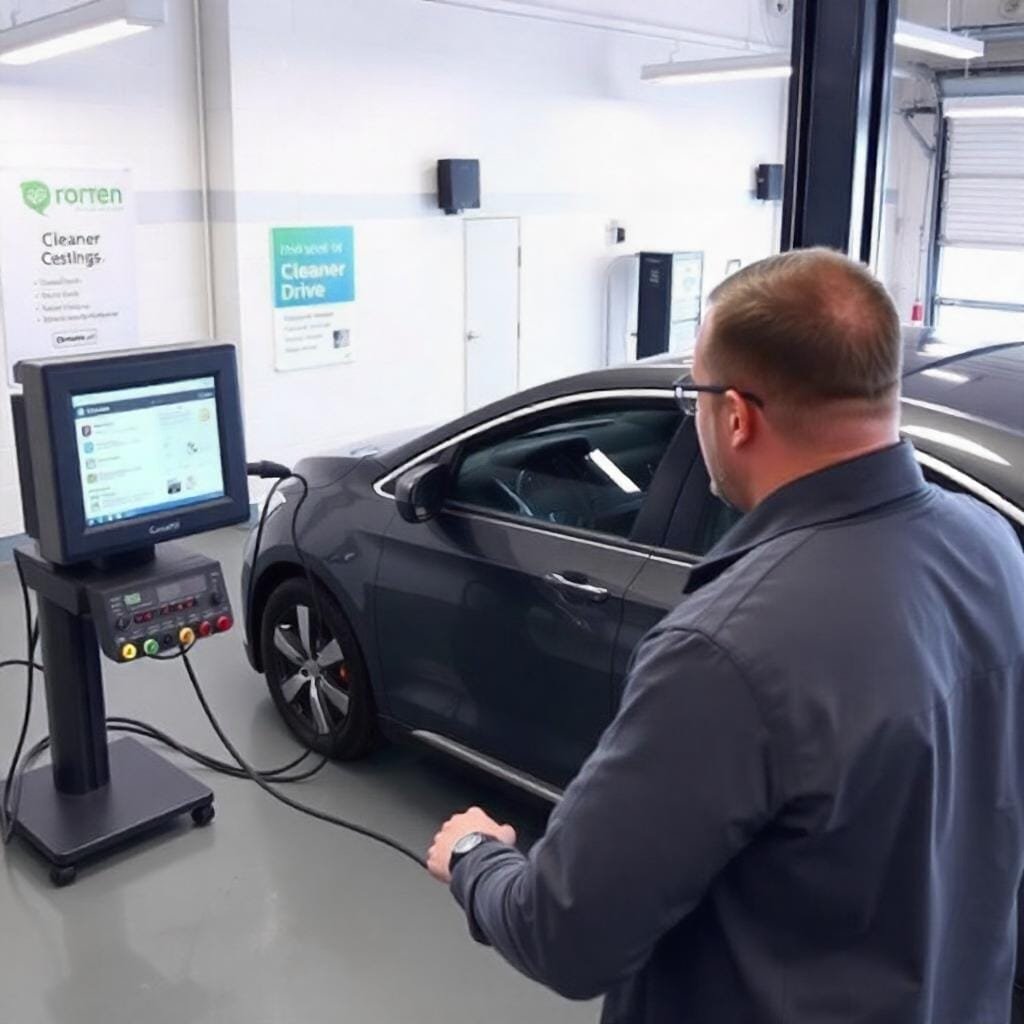
An emissions result needs interpretation
Smoke, a high emissions reading, rough idle or a dashboard warning can have several causes. Air and fuel control, ignition, exhaust treatment, engine temperature or a leak may need testing.
Tell us about recent use, warnings, cold-start behaviour and repair history. Diagnostic readings help narrow the investigation, but a stored code alone does not prove a part has failed.
Arrange these checks to investigate a symptom, assess a used car or prepare for an official test. For registration or renewal procedures, use the RTA’s official Vehicle Inspection service, which routes technical inspection through approved service centers and issues the formal Vehicle Technical Inspection Certificate. Inspector’s registration renewal inspection guide explains how an independent preparatory inspection differs from the authority’s final decision.
A good assessment should separate what was observed, what the available data suggests, what remains unconfirmed and which next test would reduce uncertainty. That protects you from random parts replacement and gives a workshop a clearer starting point.
Read the warning signs together
One symptom rarely tells the whole story. These signal groups become more useful when they appear together or repeat under similar operating conditions.
Dashboard warnings and stored faults
A check-engine light or emissions-system warning, or a recently cleared monitor, can point to an unresolved issue. Relevant codes need freeze-frame data, live values and physical context before a repair conclusion is made.
Smoke, odor and exhaust behavior
Persistent smoke, a fuel smell, sulphur-like odor or abnormal exhaust note can justify a closer check. Colour and timing matter, especially at cold start, under acceleration or after extended idling.
Rough running and fuel use
Misfires, unstable idle, hesitation or a sudden consumption change may affect combustion quality and emissions output. These symptoms can also have causes outside the exhaust system.
Recent repairs or repeated test trouble
A replaced sensor, catalytic converter, battery disconnection or cleared code can change readiness information. Repeated failure after repair is a reason to verify the underlying condition rather than continue replacing parts.
From symptom to useful next step
The exact scope depends on vehicle access, fuel type, temperature and equipment compatibility. A sensible sequence prevents later evidence from being confused by premature resets or repairs.
Confirm the concern
Record the warning, test history, recent repairs and the conditions in which the symptom appears.
Inspect what is accessible
Review visible wiring, hoses, intake paths, leaks and exhaust components without dismantling the vehicle.
Read the diagnostic data
Check supported modules, codes, monitor status and selected live values where the vehicle allows.
Compare the clues
Test whether the physical condition, operating behavior and electronic evidence support the same pathway.
Set priorities
Separate urgent faults, repair-before-retest items, monitoring points and checks needing specialist equipment.
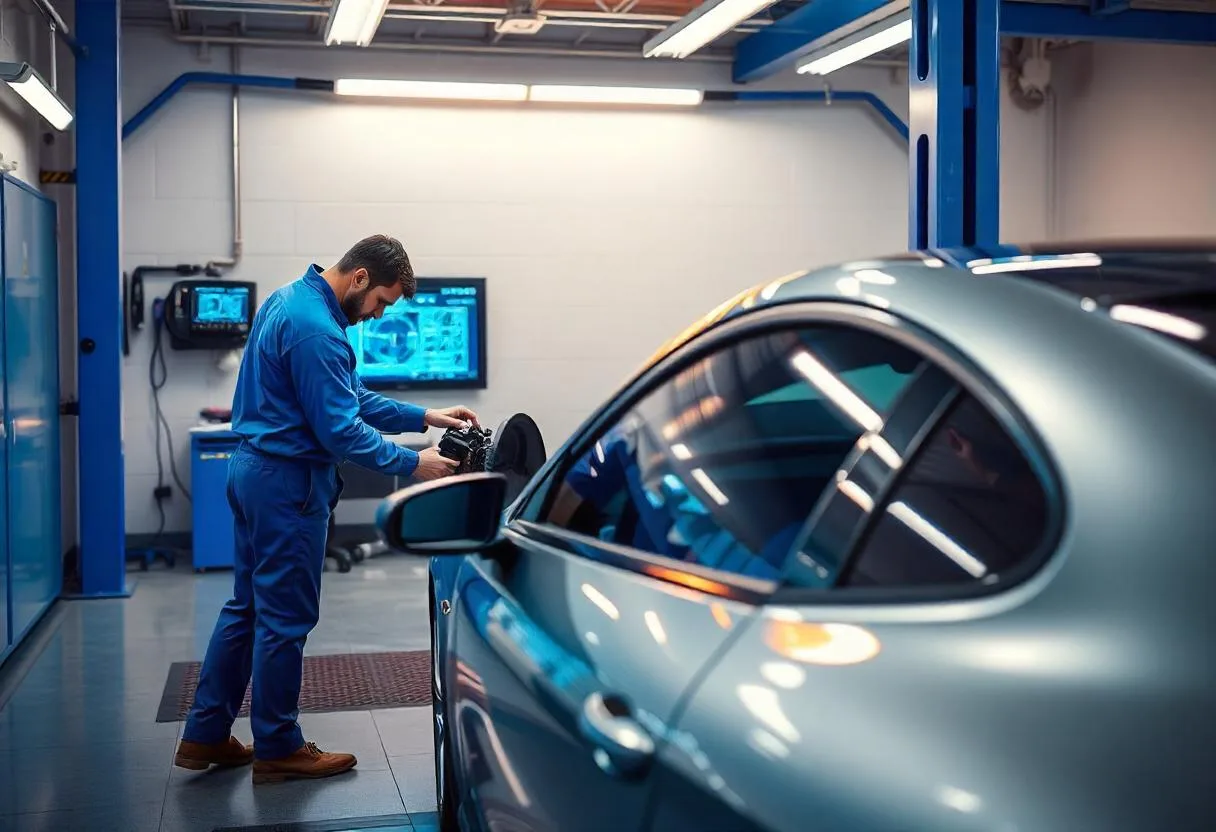
Checks around the emissions system
The inspection is shaped by the vehicle, the reported problem and safe access. It may include the following evidence groups.
- Warning and readiness information including relevant fault codes, monitor status and whether data appears recently reset.
- Air and fuel clues such as accessible intake condition, air-metering data, fuel-trim direction and signs of unmetered air where supported.
- Combustion behavior including idle quality, misfire evidence, cold-start observations and abnormal noise or vibration.
- Exhaust treatment covering accessible sensors, wiring, heat shields, leaks and catalyst-efficiency evidence without promising internal condition from an external look.
- Temperature and cooling because an engine that does not reach or control operating temperature correctly can affect fuel strategy and monitor completion. Where overheating, leakage or unstable temperature is part of the concern, Inspector’s cooling system and radiator inspection guide explains the deeper checks that may be useful.
- Visible fluid and smoke clues that may point to oil consumption, coolant entry, over-fuelling or condensation, while recognising that laboratory confirmation may be needed.
Some vehicles expose extensive live data; others provide limited information through a general scan. Modified exhausts, software tuning, diesel after-treatment systems and intermittent electrical faults may require brand-specific or specialist testing. The report should say when that limit applies.
What car emissions testing can and cannot prove
This table helps prevent weak conclusions. A symptom narrows the pathway, but it should be compared with other evidence before parts are recommended.
| Observed clue | Possible pathways | Records and checks that can help | Weak conclusion to avoid |
|---|---|---|---|
| Check-engine light | Mixture, ignition, sensor, catalyst, evaporative or electrical concern | Codes, freeze-frame data, monitor status and repeat behavior | The code names the failed part |
| Black exhaust smoke | Over-fuelling, restricted air, injector or sensor influence | Fuel trims, air data, plug condition and smoke timing | The catalytic converter alone is responsible |
| Blue-grey smoke | Oil entering combustion or exhaust flow | Cold-start pattern, acceleration pattern, oil level and mechanical tests | An emissions scan can confirm internal engine wear |
| High fuel consumption | Driving pattern, temperature, air metering, fuel delivery or mechanical drag | Service history, live data, tire condition and operating temperature | Consumption change always means an emissions fault |
| Catalyst-efficiency code | Catalyst performance, exhaust leak, sensor response or previous misfire | Upstream causes, sensor behavior, temperature and leak testing | Replace the catalyst before checking why it deteriorated |
| Readiness monitors incomplete | Recent reset, battery disconnection, unsuitable drive cycle or unresolved fault | Repair history, voltage history and supported monitor data | Clearing codes prepares the car to pass |
Why vehicles struggle with emissions checks
A failed or concerning result may come from one fault, several interacting faults or incomplete readiness after work. The right path depends on evidence rather than the most expensive visible component.
Ignition and misfire
Spark, coil, injector, compression or wiring issues can leave fuel incompletely burned and may damage exhaust-treatment components if ignored.
Air and vacuum leaks
Unmetered air or intake leaks can distort mixture control, especially at idle, and may produce lean faults or unstable running.
Sensor and circuit faults
Oxygen, air-flow, pressure and temperature inputs need circuit and plausibility checks before a sensor is condemned.
Exhaust leaks
A leak can affect sensor interpretation, noise and measured gases. Location, size and temperature determine its influence.
Catalyst or filter condition
Efficiency can fall after age, contamination, overheating or continued upstream faults. Root cause matters before replacement.
Evaporative-system leakage
Caps, hoses, valves and pressure integrity can trigger faults without visible tailpipe smoke or poor driving behavior.
A scan is useful when it is interpreted
Electronic data should be treated as one layer of the inspection. It becomes meaningful when it agrees with the physical story and operating conditions.
Active, stored and pending faults
Their status and recurrence are often more useful than a code description on its own.
Freeze-frame conditions
Speed, load, temperature and fuel data can show when the control unit detected the concern.
Readiness and reset clues
Incomplete monitors can indicate a recent reset, battery disconnection, unsuitable operating conditions or an unresolved fault. Whether monitor status affects a formal Dubai inspection depends on the vehicle and the applicable authorized testing procedure.
Selected live values
Compare readings and trends with the relevant manufacturer information.
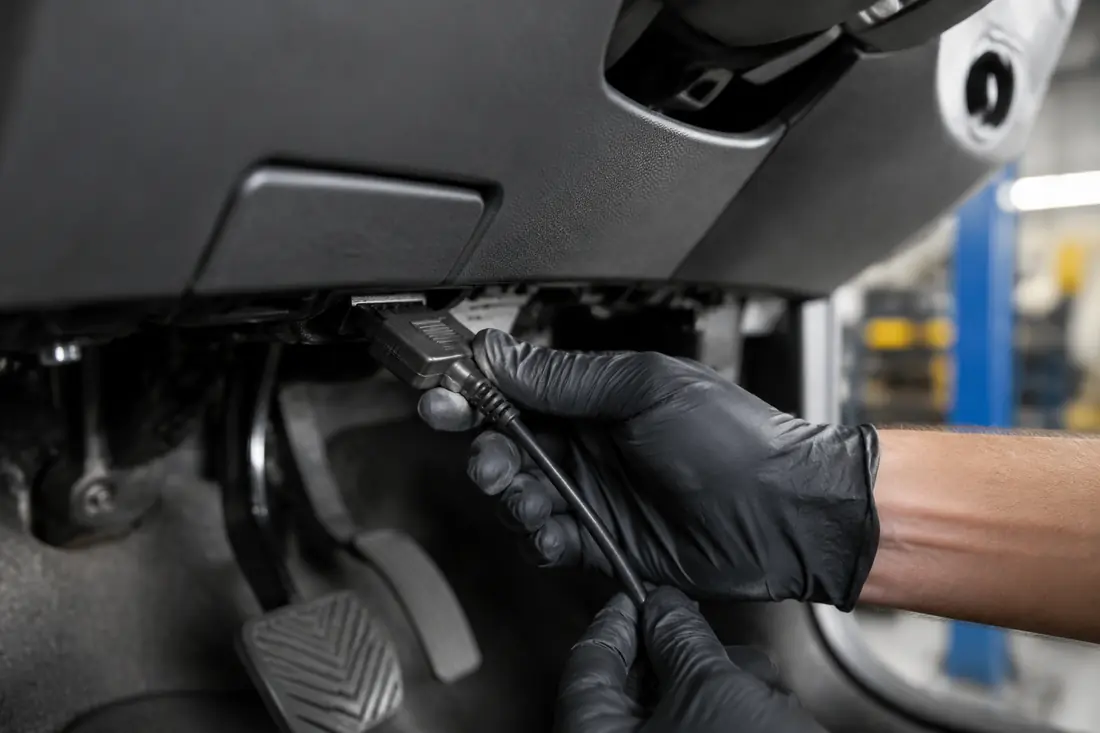
Diagnostic inspection and official testing are different
Use an emissions-focused inspection when
You want to investigate a warning light, smoke, odor, rough running, repeated failure, incomplete readiness or an emissions-related concern before buying a used car. The goal is to collect and interpret evidence, define likely pathways and identify sensible next checks.
For broader electrical faults, the dedicated car electrical diagnostics service covers systems beyond emissions. For a complete used-car decision, begin with the vehicle inspection checklist.
Use an authorized testing center when
You need the formal result required by the relevant authority for registration, renewal or another regulated process. Only the applicable authorized pathway can issue that official outcome. Requirements can vary with vehicle category, registration and current rules.
An independent inspection may help you prepare and diagnose concerns, but it cannot promise a pass. If the vehicle is due for renewal, confirm the current requirements through the RTA’s vehicle ownership renewal service, which verifies valid technical inspection where required.
Bring the history that changes the diagnosis
Send the make, model, year, engine or fuel type and the reason for the inspection. Explain whether the symptom occurs cold, at idle, under acceleration or after refuelling. Keep any earlier test or failure sheet.
Mention battery work, cleared codes, engine or exhaust repairs, replaced sensors and software changes. Do not clear faults or use treatments to hide a symptom. Follow any safe preparation advised by the technician.
For smoke or fluid loss, note how often you top up and whether the problem is worsening. Seek advice before driving with overheating, a flashing warning, severe loss of power or dense smoke.
Confirm the included checks, appointment time and price before booking. Extra tests, vehicle technology and access can affect the quote. Use the online inspection booking page to provide vehicle details and known concerns.
Checks for petrol, diesel and hybrid vehicles
Car emissions testing covers several powertrain architectures. The useful evidence, monitor logic and likely specialist equipment are not identical.
Petrol vehicles
Petrol-engine concerns often involve mixture control, ignition quality, oxygen-sensor feedback, evaporative-emission integrity and catalyst efficiency. A misfire may be felt immediately, recorded only under load or stored as a pending event before the warning becomes constant.
Fuel-trim values can show how the control system is correcting mixture, but they must be read against engine speed, temperature and load. A correction at idle that reduces as speed rises can suggest a different pathway from one that remains across the operating range. The value is a clue, not a repair instruction.
- Confirm cold and warm behavior
- Compare readings before and after treatment
- Check for leaks before condemning sensors
- Investigate repeated misfire before catalyst replacement
Diesel vehicles
Diesel systems can include exhaust-gas recirculation, particulate filtration, pressure and temperature sensors, selective catalytic reduction and fluid dosing. Short journeys, prolonged idling and interrupted regeneration can shape the evidence.
A particulate-filter warning does not automatically prove replacement is required. Soot loading, ash accumulation, sensor plausibility, temperature control, air leaks and the cause of incomplete regeneration all matter. Forced procedures should only be considered when vehicle condition and manufacturer guidance make them appropriate.
- Review regeneration and recent driving
- Check supporting pressure and temperature data
- Separate soot loading from permanent ash
- Confirm upstream faults are not continuing
Hybrid vehicles
Hybrid engines stop and restart frequently, so ordinary idling assumptions do not always apply. Warm-up strategy, battery state, climate demand and vehicle mode influence whether the combustion engine runs long enough for an observation or monitor.
An emissions concern still needs attention to the petrol engine, fuel system and exhaust treatment, while the relationship with the electrified drive adds context. High-voltage components require appropriate competence and must not be accessed casually during an emissions check.
- Confirm when the engine actually runs
- Record hybrid warnings separately
- Use compatible scan coverage
- Respect high-voltage inspection limits
Heat, storage and driving pattern affect the clues
Short trips
Journeys that end before stable operating temperature can delay monitor completion and increase condensation. The same pattern may make deposits or battery-voltage issues more noticeable.
Long storage
Battery condition, stale fuel, corrosion and heat damage to accessible wiring can influence start quality and stored faults. A recently replaced battery may also reset readiness information.
Heavy traffic
Extended idling increases under-bonnet heat and may expose cooling, fan-control or mixture issues. A symptom seen in traffic but not at workshop idle should be described precisely.
Dust exposure
Filter restriction and contaminated air paths may affect performance, but visible dirt alone is not proof of a measured emissions problem.
Fuel history
Recent refuelling, an incorrectly fitted cap or a change shortly before a warning appeared may be relevant to evaporative faults without proving causation.
Discuss emissions faults before agreeing a price
For a used-car buyer, a clear dashboard on the inspection day is not enough. Warning lamps can be switched off temporarily by clearing faults or disconnecting the battery. Readiness information, pending codes, cold-start behavior and repair documents help reveal whether the vehicle has completed enough operation for a meaningful picture.
An aftermarket exhaust, removed after-treatment component or software modification can create legal, diagnostic, reliability and resale implications. An inspection may identify signs that justify deeper specialist checking, but it should not claim software originality or internal component condition without suitable evidence.
Ask for invoices when a catalyst, particulate filter, sensor, injector or major engine component has been replaced. The document should match the vehicle and date, while the physical and electronic story should remain plausible. A new downstream part does not show that the fault which damaged the old part was corrected.
Emissions concerns should be weighed alongside the full vehicle. Cooling faults, oil consumption, compression issues, wiring damage and accident repair can sit behind the same symptom. That is why an emissions-focused check may be added to a wider pre-purchase car inspection rather than treated as a certificate.
A useful buyer report explains the evidence, uncertainty, next test, urgency and possible effect on negotiation. Where a specialist procedure is required, obtain a written estimate before committing to the purchase.
A useful report separates facts from pathways
Emissions diagnostics contain uncertainty. The result is easier to act on when every finding is placed in the right evidence category.
Observed
What was directly seen, heard, measured or retrieved, such as smoke at cold start, a stored code, an exhaust leak or incomplete readiness.
Supported
A pathway backed by consistent clues, such as a lean condition that agrees with live correction and an accessible intake leak.
Unconfirmed
A possible cause that needs pressure testing, smoke testing, electrical measurement, gas analysis or a manufacturer-specific procedure.
Priority
The recommended order for safety, damage prevention, diagnosis, repair and post-repair verification. Priority is not the same as price.
When a finding is outside the agreed scope, the report should say so. Examples include internal engine condition without mechanical testing, software originality without comparison data, hidden exhaust components without access and an official compliance result that only an authorized center can issue. Clear limits prevent the reader from assuming evidence that was never collected.
Keep the information needed to diagnose the fault
Before diagnosis
Do not clear codes simply because the warning is inconvenient. Stored status, pending events and freeze-frame values can help separate a current fault from an old event; once erased, intermittent evidence may be difficult to reproduce.
Avoid last-minute fuel or oil treatments unless they were recommended for a clearly identified purpose. A temporary change in smoke or running quality is not proof of repair and can make normal behavior harder to compare.
Do not deliberately pre-warm the engine to hide a cold-start symptom. Tell the booking team when the concern appears after an overnight rest so suitable inspection conditions can be discussed.
After diagnosis
Do not replace a component simply because its name appears in a fault-code description. Wiring, supply, contamination, control issues or an upstream misfire or mixture fault can produce the same downstream code.
After repair, verify that the original symptom does not return under suitable conditions. Keep the initial findings and repair invoice so the before-and-after evidence can be compared instead of relying on a warning lamp that stayed off briefly.
If an official retest is next, follow the current instructions from the authorized center or RTA. Inspector.ae can interpret vehicle evidence, but official requirements, fees and acceptance decisions remain with the applicable authority.
Does Inspector.ae issue the official emissions pass?
No. An independent diagnostic or emissions-focused inspection can help identify likely causes and prepare repair decisions, but the official pass or fail result must come through the applicable authorized testing process.
Can a diagnostic scan confirm a bad catalytic converter?
Not by itself. A catalyst-efficiency fault can be influenced by exhaust leaks, sensor behavior, misfire, mixture problems or catalyst deterioration. The upstream cause and supporting evidence should be checked before replacement is recommended.
Should I clear the warning light before an emissions test?
Clearing faults can erase useful diagnostic information and reset readiness monitors. That can remove evidence needed for diagnosis, and the relevance of monitor status to a formal Dubai inspection depends on the vehicle and the authorized testing procedure. Record and investigate the fault first, then follow the applicable post-repair and official testing instructions.
Can you inspect petrol, diesel, hybrid and plug-in hybrid vehicles?
The available scope varies by vehicle technology, access and compatible equipment. Petrol and hybrid vehicles may expose different mixture and monitor data than diesel after-treatment systems. Confirm the exact model and concern when booking so the appropriate scope can be agreed.
What happens when a problem is found?
The useful outcome is a clear priority list. It should distinguish observed faults, evidence-supported possibilities, checks that need specialist equipment and items to verify after repair. Repair approval remains a separate decision.
How long does an emissions-focused inspection take?
Time depends on the reported symptoms, vehicle access, diagnostic communication, engine temperature and whether a road or extended test is suitable. Inspector.ae can confirm an expected scope after receiving the vehicle details.
Book the correct emissions inspection pathway
Share the vehicle details, warning history, previous result, recent repairs and current location. Customers searching for emissions diagnostics near them can ask whether mobile assessment is suitable or whether the vehicle should attend the Al Quoz 4 workshop for controlled checks. Inspector can confirm whether an emissions-focused assessment, broader diagnostics or an official testing-center visit is the appropriate next step.