
A warning light, poor running or an intermittent electrical problem needs investigation. On a luxury vehicle, the required tests may involve several control modules and model-specific information. Car diagnostics combine fault codes, live data and relevant tests. An engine scan in Dubai may provide an initial direction, while a diagnostic check in Dubai can investigate the cause of the reported symptom.
Why OBD Tools Alone Are Not Enough
A code such as P0301 points to a cylinder misfire. It does not, by itself, establish whether the cause is a plug, coil, injector, wiring or a mechanical fault. Car diagnostics require the codes to be interpreted alongside symptoms and other results.
Scanner coverage: Functions vary. Some tools provide live data and active tests, while others have more limited access.
Here’s what basic OBD scanners detect:
- Fault codes stored in the ECU
- Emissions-related alerts
- Some sensor readings
Here’s what they miss:
- Sensor calibration issues
- Real-time data fluctuations
- Electrical noise and grounding faults
- ECU logic conflicts
Advanced diagnostics Dubai services use OEM-grade tools that speak your car’s language. They don’t just read, they analyze. They simulate driving conditions, test modules, and catch problems before they become expensive. Car diagnostics should explain the tests performed, what was confirmed and what still needs investigation.

Full-System Car Diagnostics | What We Scan
The relevant system depends on the symptom. Confirm which modules the equipment can access on your model. Car diagnostics may include the following systems where supported:
- Engine Control Unit (ECU)
This is your car’s brain. We run a full ECU scan to check fuel mapping, ignition timing, and sensor feedback. Dubai’s heat often causes sensor drift, which leads to poor fuel economy and misfires. - Transmission System
We analyze gear shift patterns, fluid temperature, and torque converter behavior. Stop-and-go traffic in Dubai wears down transmission logic faster than most cities. - ABS and Brake Sensors
A proper brake system scan checks for uneven pressure, worn pads, and ABS module faults. Sand buildup can trigger false ABS alerts. - Airbag and Safety Modules
We inspect crash sensors, seatbelt tensioners, and airbag deployment logic. Dubai’s humidity can corrode connectors over time. - Battery and Alternator Health
A full battery test Dubai service checks voltage stability, charging cycles, and alternator output. Heat shortens battery life fast. - Fuel and Emissions Systems
We track injector performance, fuel pressure, and O2 sensor behavior. Emissions modules often fail silently, especially in older vehicles.
Fact: Voltage fluctuations during peak AC load can mimic ECU faults. Real diagnostics catch that.
Car diagnostics may also examine:
- Real-time data capture
- Voltage fluctuations
- Sensor behavior under load
The readings help select the next test or repair recommendation.
Diagnostic Tools We Use
Different scanners support different systems and model years. A transmission or chassis concern needs equipment that can access the relevant module. Car diagnostics may use OEM-grade scanners and other test equipment. Coverage needs to be confirmed for the exact vehicle; the brand name of the tool alone is not enough.
Fact: Dealer-level diagnostics can access hidden modules and proprietary fault codes that generic tools miss entirely.
Here’s why our tools matter:
- Brand-specific scan tools read deeper into vehicle logic
- They allow software updates, module resets, and calibration
- They simulate driving conditions to catch faults that only appear under load
Car diagnostics in Dubai aren’t just about what’s wrong; they’re about why it’s happening. And without the right tools, you’re chasing shadows.
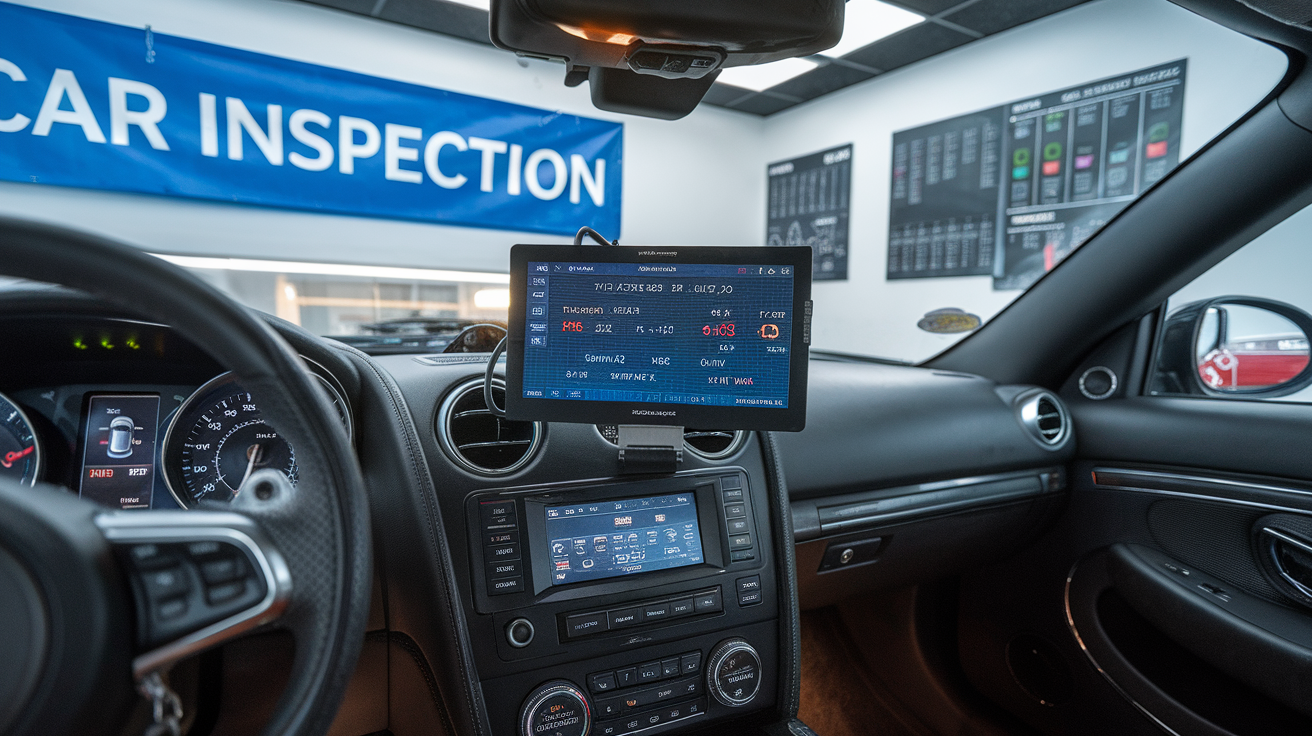
Human Expertise in Car Diagnostics Interpretation
The technician needs to interpret the readings using the vehicle’s specifications and the conditions in which the symptom occurs. Car diagnostics should link symptoms, codes and test results. Correct fault code interpretationhelps avoid replacing a part solely because it is mentioned in a code description.
Scanner coverage: A misdiagnosed sensor fault can lead to replacing parts that aren’t even broken.
Car diagnostics depend on suitable tests. A Dubai auto technician should explain why a test is relevant and whether its results confirm the cause.
Dubai-Specific Diagnostic Challenges
Dubai’s driving conditions aren’t just harsh; they’re unpredictable. From sandstorms to gridlocked traffic, your car faces stress that most diagnostic systems weren’t built to handle. That’s why car diagnostics here need to be smarter, deeper, and locally adapted.
1. Extreme Heat Stress
High temperatures put extra demand on cooling and can affect how some faults appear. Record whether the symptom happens hot, cold or under load.
- Sensor drift affects coolant temp readings and fuel-air ratios
- ECU wiring degrades faster, causing voltage irregularities
- AC systems misreport compressor faults due to thermal overload
Fact: Engine overheating cases spike during summer, especially in vehicles with aging radiators or weak thermostats.
2. Sand Intrusion
Sand doesn’t knock, it sneaks in. It clogs filters, settles in connectors, and confuses your car’s electronics.
- Air filters get blocked, triggering lean fuel codes
- Sand interferes with electronic connectors, causing intermittent faults
- Brake sensors misfire due to debris buildup
Tip: If your ABS light flickers after a desert drive, it’s often sand, not a sensor failure.
3. Stop-and-Go Traffic Patterns
Stop-start traffic changes operating conditions. A fault that appears only after repeated braking or a hot idle may need those conditions considered during diagnosis.
- Transmission control modules overheat
- Torque converters struggle with delayed shifts
- Fuel trims fluctuate, confusing basic diagnostic tools
Car diagnostics in Dubai must factor in these real-world stressors. Without that context, fault codes tell half the story, and repairs become expensive guesswork.
When to Schedule Car Diagnostics?
Most drivers wait until something breaks. That’s a mistake. In Dubai, where heat and traffic wear down systems faster than you think, car diagnostics should be proactive, not reactive. You don’t need to see smoke or hear grinding to know something’s off. Sometimes, it’s just a slight drop in fuel economy. Or a weird smell when the AC kicks in. Or a dashboard light that flickers and disappears.
Tip: A check engine light that turns off on its own doesn’t mean the issue’s gone; it just means the ECU stopped reporting it.
Here’s when to book car diagnostics:
- Warning lights that stay on or blink
- Unusual smells or sounds, especially during startup or acceleration
- Drop in fuel efficiency, even if the car feels fine
- Before buying or selling a vehicle, especially in resale inspection scenarios
Car diagnostics help identify concerns and decide whether more tests are needed.
What a Diagnostic Report Includes
The report from car diagnostics should distinguish codes and observations from confirmed faults, then explain recommended next steps.
Fault Codes with Severity Levels
Not all faults are urgent. Some are warnings, others demand immediate attention. The report ranks each issue so you know what’s critical and what can wait.
Repair Recommendations
You’ll get a clear action plan. Whether it’s replacing a sensor or recalibrating the ECU, the report outlines what’s needed and why.
Sensor Performance Graphs
Live data matters. We include graphs showing how sensors behave under load, during idle, and while accelerating. It helps spot intermittent faults that don’t show up in static scans.
Maintenance Scheduling
Beyond repairs, the report suggests upcoming service needs oil changes, brake pad wear, and battery health. It’s a roadmap for keeping your car in shape.
Car diagnostics aren’t just about finding problems. They’re about giving you clarity, control, and a plan.
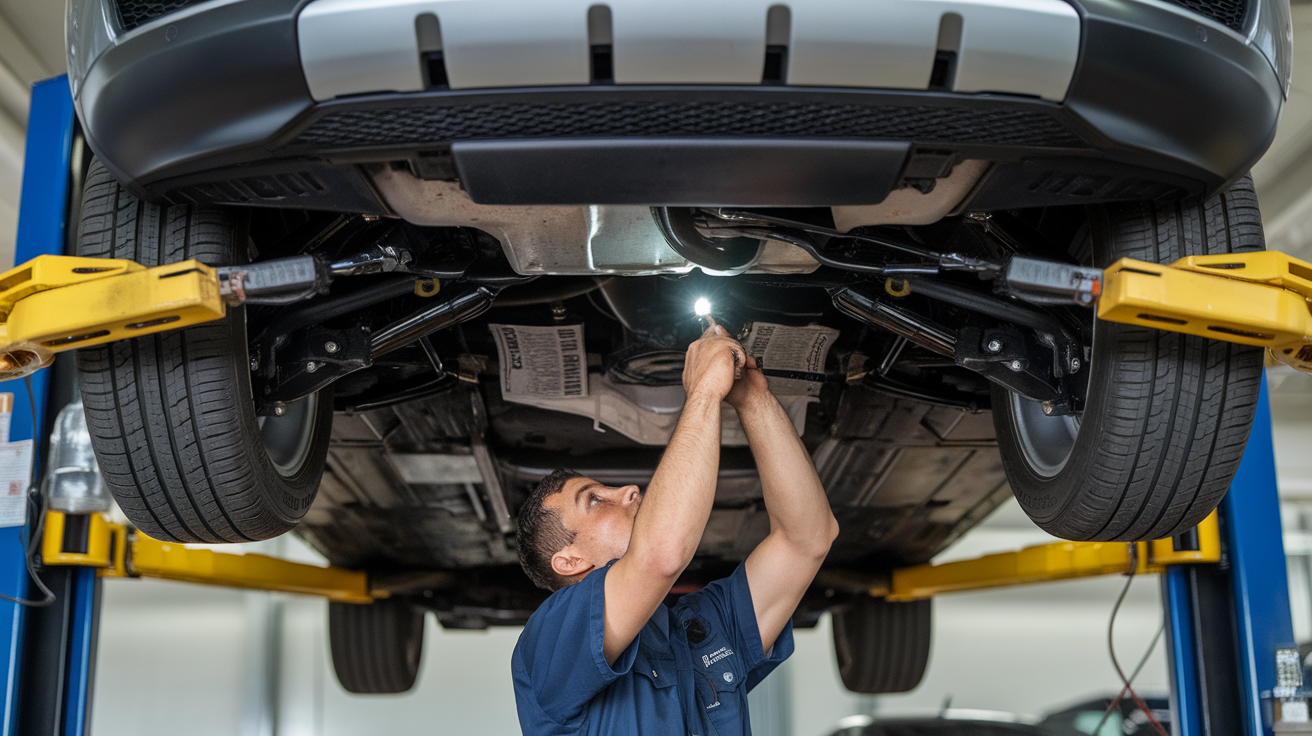
Common Issues Detected Through Car Diagnostics
Most car problems don’t start with a bang; they creep in. A slight hesitation when accelerating. A faint burning smell. A brake pedal that feels just a bit too soft. These aren’t quirks. They’re warnings. And car diagnostics catch them before they turn into expensive repairs. Dubai’s climate and driving habits push vehicles harder than most places. Long idle times, desert heat, and stop-start traffic wear down systems quietly. That’s why car diagnostics matter; they reveal what’s happening beneath the surface, even when everything seems fine.
Scanner coverage: A misfire in Dubai’s heat might not be a spark plug; it could be a coil overheating under load, especially in turbocharged engines.
Here are the most common issues we detect through car diagnostics:
Engine Misfires
Misfires aren’t always dramatic. Sometimes it’s just a rough idle or sluggish acceleration. In Dubai, heat can degrade coil packs and cause injector timing issues. We often find misfires linked to cracked ignition coils, carbon buildup, or poor fuel atomization, especially in high-mileage vehicles.
Transmission Fluid Issues
Slipping gears, delayed shifts, or jerky acceleration? That’s often transmission fluid breaking down under heat. Dubai’s stop-and-go traffic causes fluid to overheat, lose viscosity, and trigger torque converter faults. Diagnostics reveal pressure inconsistencies and solenoid lag that basic scans miss.
Battery Voltage Drops
Heat is brutal on batteries. It evaporates electrolyte fluid and weakens internal plates. We detect voltage drops during startup, unstable alternator output, and parasitic drain from aftermarket accessories. A weak battery might still start your car, but it’s already failing.
Brake Pad Wear
Brake diagnosis may require physical measurements and checks as well as electronic data. Wear, pulling, vibration or noise should be assessed rather than diagnosed from a scan alone.
AC Compressor Faults
AC systems in Dubai work overtime. Faulty pressure sensors, clogged expansion valves, and weak clutch coils often mimic compressor failure. Diagnostics help separate real faults from sensor misreads, saving you from replacing parts that aren’t broken.
Car diagnostics don’t just find problems, they explain them. They connect symptoms to causes, and help you fix what’s actually wrong, not what looks wrong.
Diagnostics for Luxury & Performance Vehicles
Luxury cars don’t just drive differently; they operate on a different level of complexity. Their ECUs manage dozens of modules, from adaptive suspension to torque vectoring, and even minor faults can affect performance. That’s why car diagnostics for high-end vehicles require more than standard tools; they demand precision, experience, and access to brand-specific systems.
Brand-Specific Modules
A Porsche’s ECU doesn’t behave like a Tesla’s. Each brand has its own architecture, logic, and proprietary modules. We use diagnostic platforms that access features like:
- Launch control calibration
- Regenerative braking systems
- Adaptive suspension behavior
- Drive mode logic and throttle mapping
Generic tools can’t read these modules. They miss subtle faults that affect ride quality, fuel trims, and even safety systems.
ECU Tuning Insights
Performance vehicles often come with custom maps or aftermarket tuning. These modifications can conflict with factory logic, causing misfires, rich fuel conditions, or throttle lag. We scan for:
- Firmware mismatches
- Logic errors in modified ECUs
- Conflicts between performance maps and emissions modules
Tip: A Bentley ECU might show no fault, but still run rich due to a miscalibrated throttle map, especially after a tuning session that wasn’t properly validated.
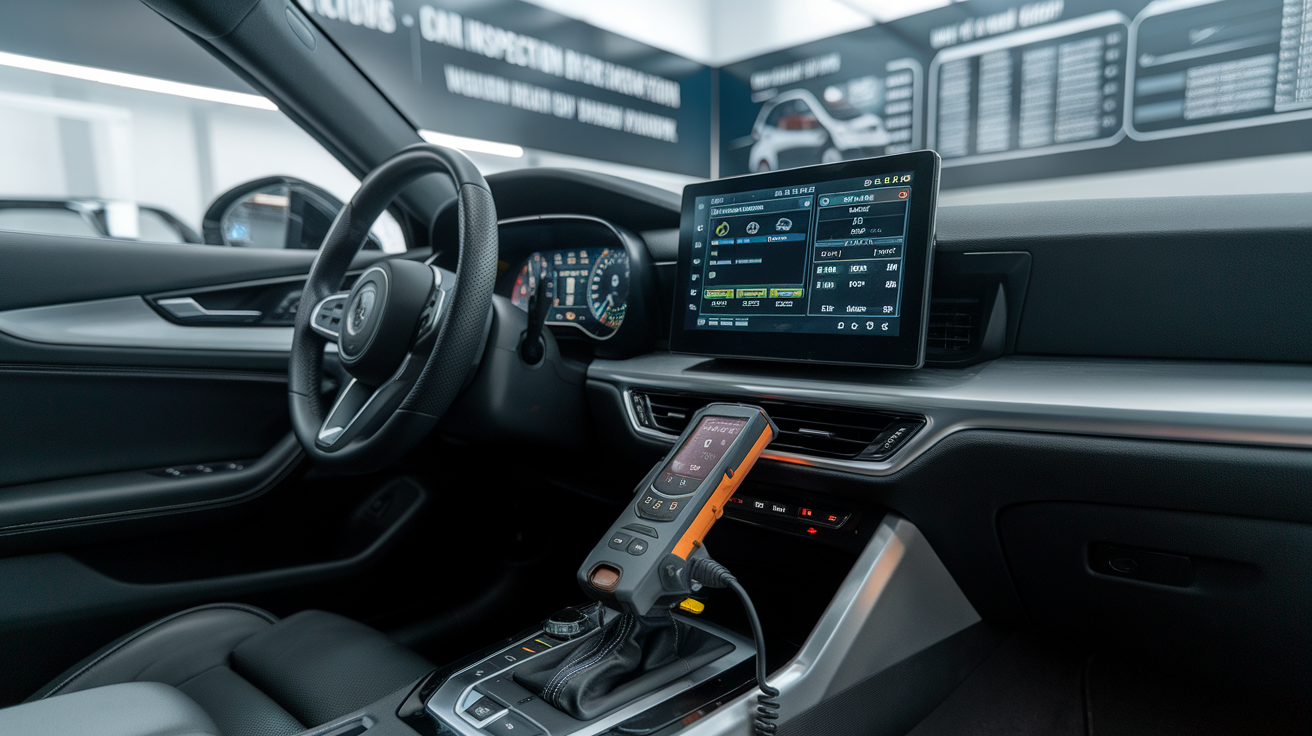
Importance of Precision Tools
The diagnostic equipment must support the vehicle and the tests needed. Depending on coverage, available functions may include:
- Real-time monitoring of performance systems
- Deep access to brand-specific fault codes
- Calibration of modules like active steering and dynamic dampers
Car diagnostics should result in an explanation of the fault found, the evidence for it and any checks still needed.