
Engine noises, leaks or a change in performance?
Record when the symptom occurs and any recent work on the car. A car engine inspection can help identify which checks or tests are needed.
Different symptoms require different tests.
Starting, idle, temperature, load and warning records can help plan a car engine inspection and identify concerns that need further investigation.
When to arrange an engine inspection
Do not ignore a new or recurring symptom. An car engine inspection may include visible checks, operating observations and diagnostic readings, depending on the concern.
Prevents costly repairs
By inspecting components like gaskets, seals, and fluid levels, mechanics can spot oil leaks or early wear before they turn into engine seizures or overheating. A minor drip today can become a cracked head gasket if left unchecked.
Improves fuel efficiency
When spark plugs are clean, filters are fresh, and fuel-air ratios are balanced, your engine doesn’t have to overwork. A proper car engine inspection ensures smoother combustion, which cuts down on fuel waste and saves money in the long run.
Increases resale value
Buyers in Dubai often ask for a vehicle’s engine health report. A car with up-to-date car engine inspection records can help explain previous findings. They do not guarantee the car’s current condition or sale value.
A car engine inspection can identify concerns that need attention. Ask our expert car inspection services in Dubai which checks suit your vehicle.
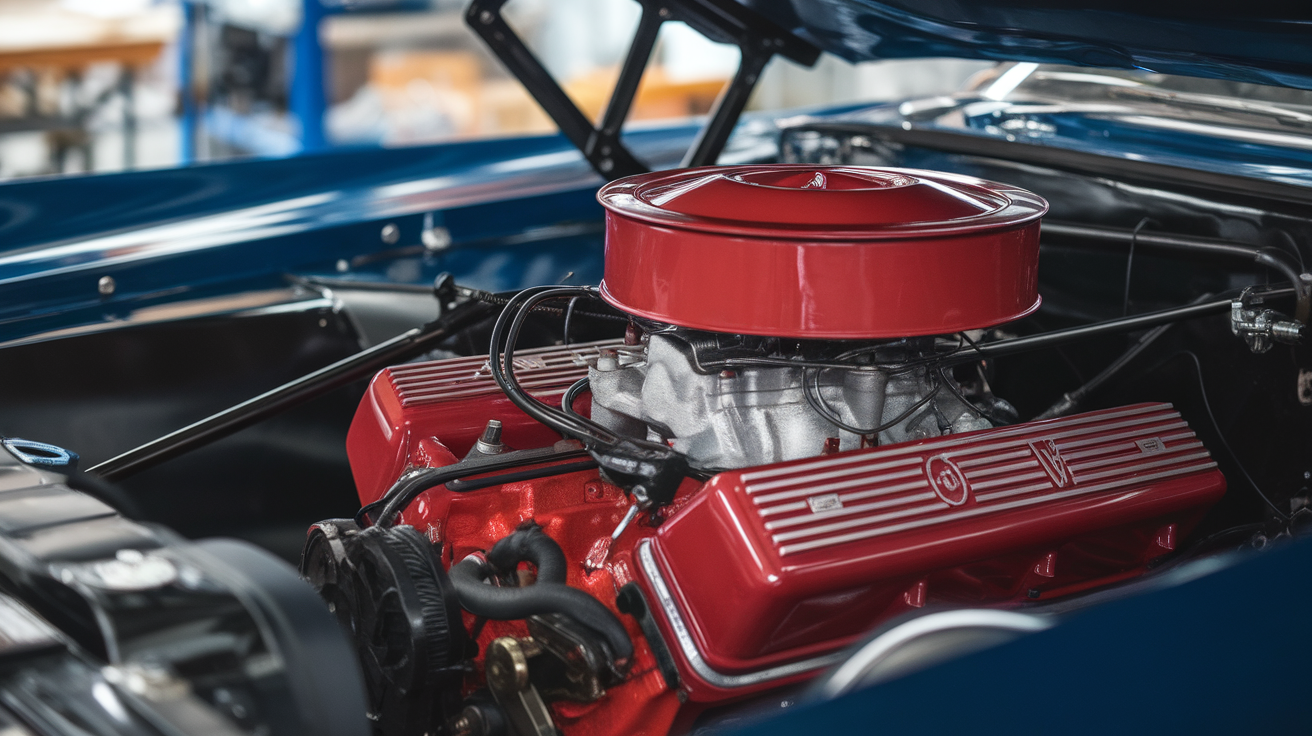
What Happens During an Engine Inspection
What do mechanics actually do during an inspection?
A car engine inspection uses the agreed checks and measurements to investigate the car’s condition. Some findings need additional testing.
OBD2 scanning
This is the first step in most inspections. The On-Board Diagnostics system reads fault codes from the engine control unit, flagging issues like cylinder misfires, incorrect fuel trim levels, and malfunctioning sensors. It gives real-time data that helps identify specific system failures quickly.
Compression and leak-down tests
These tests measure how well each cylinder holds pressure. If one cylinder shows weak compression, it could mean worn piston rings, damaged valves, or head gasket issues. That kind of imbalance leads to rough engine performance and long-term damage if left alone.
Visual inspection of belts and hoses
Inspect accessible belts and hoses for damage and deterioration. Their condition may call for replacement or closer checks.
So if you’ve always thought engine inspections were just a checklist routine, think again. A proper car engine inspection combines diagnostics, pressure testing, and hands-on visual checks to give you a clear picture of what’s happening under the hood, before problems turn costly.
What to Check in a Car Engine Inspection | Full Breakdown for Smarter Ownership
There’s more going on inside your engine bay than just oil and bolts.
A detailed car engine inspection doesn’t rely on guesswork. It focuses on high-impact components that directly affect performance, safety, and the engine’s lifespan. Missing just one element during inspection can trigger a chain reaction of mechanical problems that are far more expensive to fix later.
- Engine oil quality and level
- A proper car engine inspection checks oil beyond just its quantity.
- If the oil is gritty, too dark, or smells burnt, it may point to poor lubrication or internal engine wear.
- Neglecting this can lead to premature engine damage or total failure.
- Radiator and coolant system
- This part of the car engine inspection involves checking coolant levels, hose condition, and radiator pressure.
- Rust stains or coolant crust around fittings suggest leakage or poor circulation.
- In Dubai’s extreme heat, even a minor coolant issue can escalate into a full-blown overheating situation.
- Spark plugs and ignition coils
- Mechanics assess spark plug gaps, carbon deposits, and ignition coil voltage.
- Faulty plugs can cause your engine to misfire, stall, or waste fuel.
- A thorough car engine inspection ensures your combustion system is firing efficiently under all conditions.
- Timing belt or chain condition
- A failed timing belt is catastrophic, but even slack or misalignment is risky.
- A detailed car engine inspection includes inspecting the belt tensioner, pulley wear, and overall alignment.
- It’s one of the most critical checks, especially in high-mileage vehicles.
- Fuel and air filter condition
- Dirty filters reduce airflow and fuel delivery, which stresses the engine.
- During a car engine inspection, filters are examined for clogging, moisture intrusion, or visible debris.
- Replacing them at the right time improves throttle response and overall engine health.
Each of these checks forms the core of a reliable car engine inspection should record what was checked and anything that could not be completed.
Visual Clues During Car Engine Inspection | What You Can Actually See
Think you need a scanner to spot engine problems? Not always.
Some of the most telling signs don’t need a tool, they just need attention. A proper car engine inspection doesn’t skip the basics, and neither should you. Many engine issues show themselves visually or through smell, but most drivers overlook them until it’s too late.
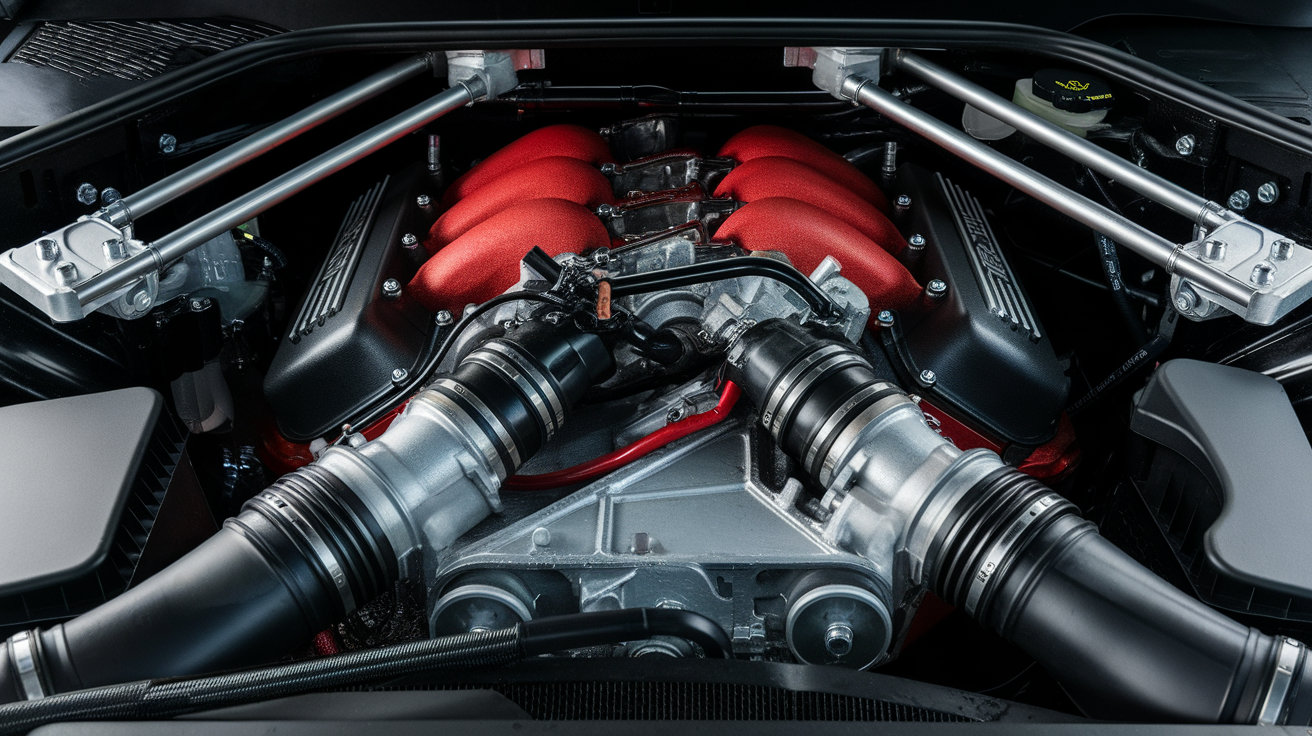
Unusual leaks
- Oil stains beneath the car, especially after overnight parking, often indicate gasket or seal leaks.
- Coolant puddles near the front bumper may point to a cracked radiator, bad hose, or failing water pump.
- Even a minor leak, if ignored, can lead to overheating or oil starvation during long drives.
Excess smoke from the exhaust
- Blue smoke signals your engine is burning oil, often due to worn valve seals or piston rings.
- White smoke suggests coolant is entering the combustion chamber, possibly from a blown head gasket.
- Black smoke means too much fuel is being burned, usually caused by a faulty injector, sensor, or clogged air filter.
- During a car engine inspection, smoke patterns are observed to help pinpoint combustion issues before they worsen.
Strange smells
- Burnt oil hints at oil dripping onto a hot engine or exhaust component, often from a valve cover leak.
- Sweet smell means coolant is leaking, possibly into the cabin heater core or near the engine bay.
- Strong fuel odor can indicate leaking fuel lines, a bad fuel pressure regulator, or injector issues.
- A professional car engine inspection often uses your nose just as much as tools in early diagnosis.
Loose wires or connectors
- Exposed wires, melted insulation, or cracked plugs can cause intermittent faults.
- These can interfere with spark timing, fuel injection, or sensor signals, leading to erratic engine behavior.
- During inspection, mechanics gently tug on connectors and visually confirm grounding points and wire integrity.
Your senses, sight and smell, are the first line of defense. A car engine inspection doesn’t always start with a scan tool. Sometimes it starts with a stain, a puff of smoke, or a strange smell that tells you something’s not right under the hood.
Car Engine Inspection at Home | Simple DIY Checks That Make a Difference
Car Engine Inspection at Home | Simple DIY Checks That Make a Difference
A few simple car engine inspection routines can be done right at home to spot early signs of trouble. These small habits take just a few minutes but can save you from expensive breakdowns or unexpected repair bills later. The key is knowing what to look for before the problem snowballs.
Check oil level and color
Use the dipstick to check both the oil level and its appearance
If the oil is brown and smooth, you’re in the clear. But if it’s black, gritty, or smells burnt, it’s likely time for a change. This step is a basic yet essential part of any at-home car engine inspection.
Inspect for leaks under the car
Check under your vehicle each morning before driving
Puddles of oil, coolant, or transmission fluid often signal early gasket failure or hose cracks. Place a piece of white cardboard underneath overnight to help identify the fluid by color and smell.
Listen on cold starts
Unusual sounds during the first start of the day can reveal hidden issues
Ticking or knocking noises may suggest low oil pressure, worn timing parts, or lifter trouble. These sounds are red flags in any proper car engine inspection.
Check battery terminals
Pop the hood and take a quick look at the battery connections
Corroded terminals or loose clamps can cause starting trouble or alternator strain. Cleaning them with a wire brush improves current flow and avoids random electrical issues.
Even if you’re not a mechanic, these simple at-home car engine inspection checks give you real insight into your engine’s health. Think of them as your first line of defense before things get serious.
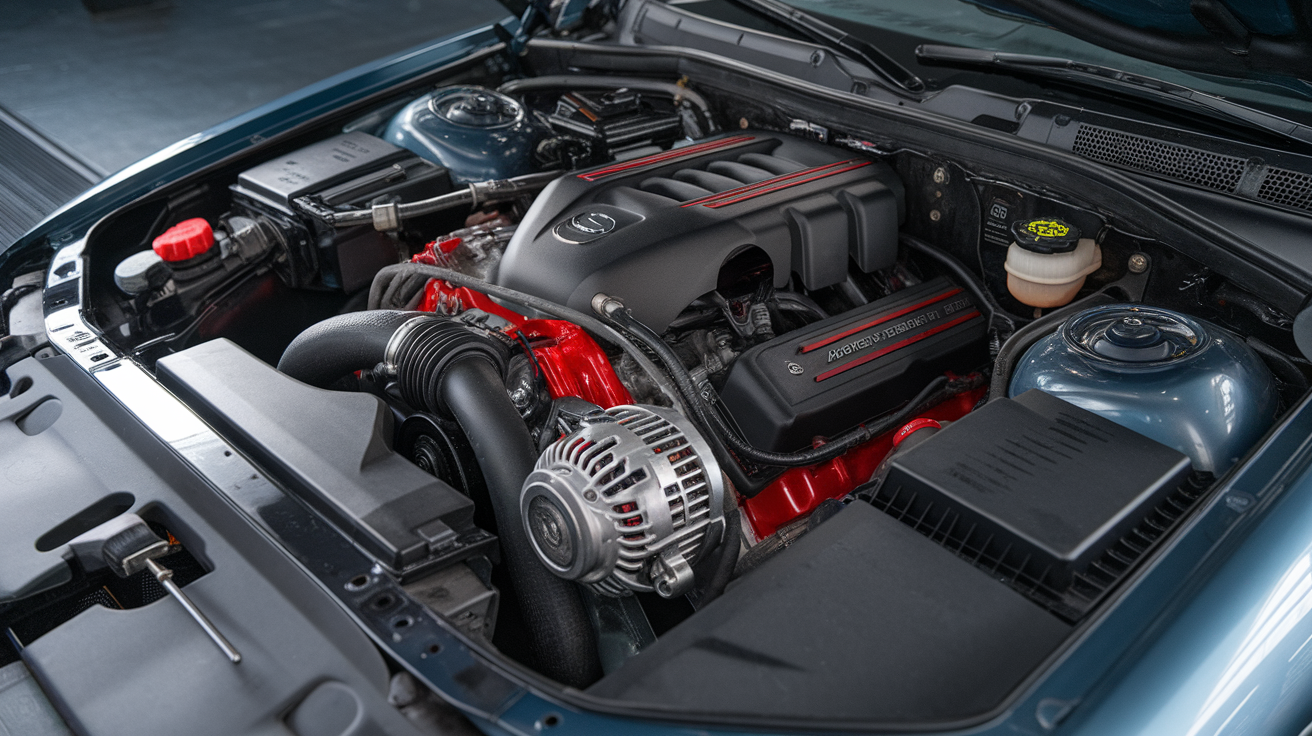
Common Issues Found in Car Engine Inspection | What Mechanics Catch First
Which engine problems may be found
Certain patterns show up again and again. Some problems are more common than others, especially in cars exposed to Dubai’s extreme climate, long idle times, or harsh driving cycles. A thorough car engine inspection often reveals these issues early, even when the car seems to drive just fine.
- Oil leaks and seepage
Oil leaks typically start from valve covers, oil pans, and gasket areas
These leaks attract dust and sand, especially in Dubai, which forms sludge around critical engine parts. Over time, this buildup reduces heat dissipation and degrades engine components. A proper car engine inspection catches these leaks before oil levels drop dangerously low. - Cracked spark plugs or failing ignition coils
Damaged plugs or weak coils can trigger cylinder misfires
You may notice rough idling, hesitation during acceleration, or sudden drops in fuel economy. Mechanics often spot this during a scan or by inspecting plug wear patterns and ignition coil output. Regular car engine inspection prevents these small faults from affecting long-term engine balance. - Thermostat failure
A stuck thermostat can either keep the engine running too hot or too cold
Overheating leads to head gasket damage while running too cold affects engine efficiency. This is a silent issue many drivers ignore until symptoms escalate. Inspection includes checking temperature behavior during warm-up and cooling cycles. Cooling faults often connect with broader checks like car cooling system inspection tools to investigate coolant loss or temperature problems. - Faulty sensors like O2, MAP, or MAF
These sensors control your air-fuel mix and engine response
When they malfunction, your car may not stall, but it will feel sluggish and burn fuel inefficiently. A good car engine inspection checks live sensor data and flags any irregular readings before performance drops noticeably. - Intake manifold carbon buildup
This is especially common in direct injection engines
Carbon clogs the airflow path, reducing throttle response and fuel combustion efficiency. Mechanics inspect the manifold visually or with a borescope, depending on the engine design. Catching buildup early allows cleaning before it restricts performance.
Recognizing these recurring faults during a car engine inspection helps you act before damage spreads. These aren’t random technical failures, they’re predictable, preventable, and manageable when spotted early.
Advanced Tools Used in Car Engine Inspection | Scanners, Sensors & Smarts
Old-school methods are great, but tech changed the game.
Today’s car engine inspection blends human intuition with digital diagnostics. These tools make inspections faster, more accurate, and far more reliable.
| Tool Used | What It Does | Common Faults Detected |
| OBD2 Scanner | Reads fault codes, live data | Misfires, sensor errors, fuel issues |
| Compression Tester | Measures cylinder health | Valve leaks, piston ring damage |
| Infrared Thermometer | Checks engine temp hotspots | Cooling inefficiencies |
| Smoke Machine | Finds vacuum and intake leaks | Hose cracks, gasket gaps |
| Multimeter | Measures voltage and resistance | Battery, alternator, ground faults |
Without car engine inspection tools, you’re guessing. With them, you’re solving. That’s the power of a data-driven inspection.
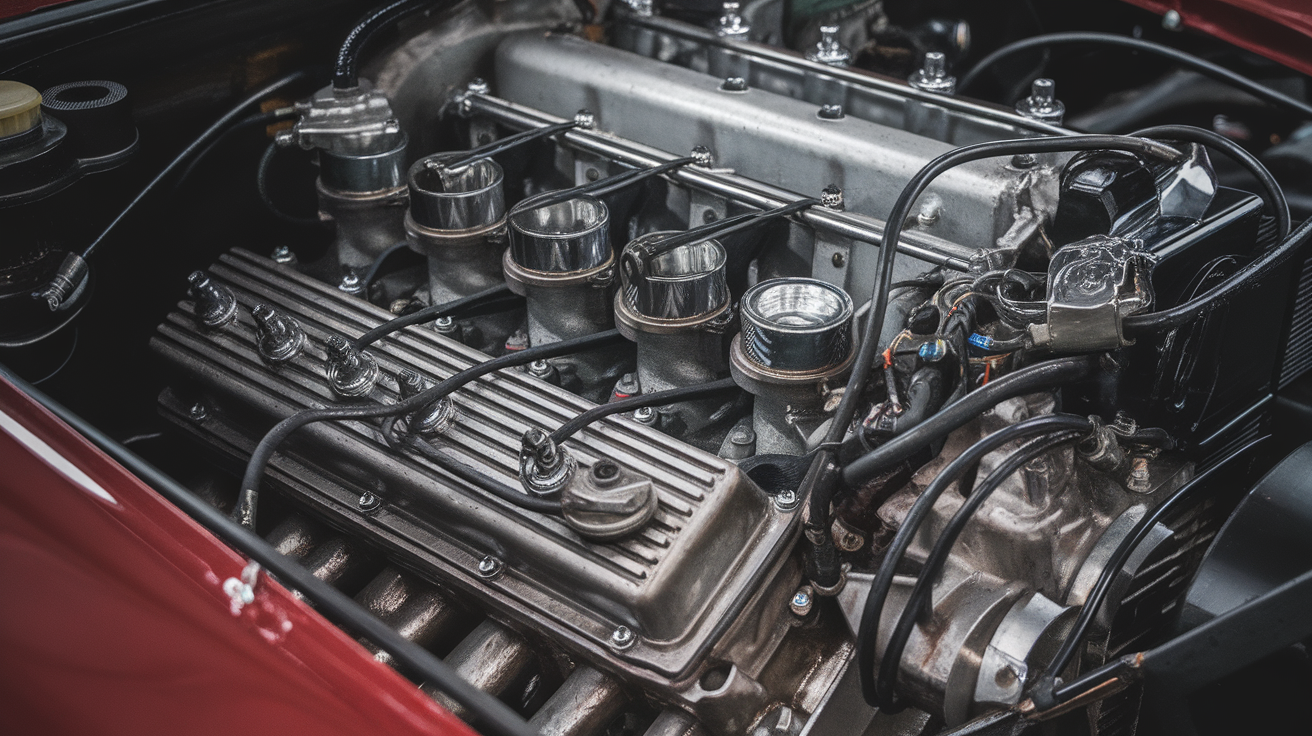
When to Book a Car Engine Inspection | Dubai Weather Doesn’t Wait
Waiting too long is what hurts most engines
In Dubai, your car is under constant attack from heat, dust, heavy traffic, and those endless start-stop drives through city congestion. These conditions quietly wear down engine components faster than you realize. A well-timed car engine inspection can catch the damage before it starts costing you.
After 10,000 km or every 6 months
Whichever comes first is your safest bet
Even if your car feels fine, inspections after long road trips, towing heavy loads, or dealing with extended traffic jams are essential. Extreme heat and pressure can accelerate wear, even if there are no visible symptoms.
If your Check Engine Light flashes
A flashing warning light is never a small issue
It usually indicates a misfire that can damage your catalytic converter, one of the most expensive parts to replace. A quick car engine inspection with a diagnostic scan can reveal whether the issue is minor or urgent.
Before buying a used car
Do not rely on a clean exterior or a smooth test drive
Used cars can hide internal engine wear, timing issues, or leak histories. A full car engine inspection including compression tests, OBD scans, and fluid checks tells you if that deal is too good to be true.
Think of it like catching a cold before it turns into pneumonia. Especially in Dubai’s climate, waiting for the problem to show itself often means it’s already too late. Routine car engine inspection keeps you ahead of the curve and out of the repair shop.
Car Engine Inspection vs Maintenance | Know the Critical Difference
People often confuse inspections with regular servicing
Yes, both are essential for your car’s health, but they serve completely different roles. Misunderstanding this difference can leave dangerous gaps in your vehicle care routine. A solid car engine inspection complements your scheduled maintenance, it doesn’t replace it.
Maintenance is preventive
This includes oil changes, air filter replacements, coolant top-ups, and spark plug swaps
It’s like brushing your teeth every day. It keeps things running smoothly but doesn’t necessarily tell you if a deeper problem is building up inside. Maintenance follows a schedule, not symptoms.
Inspection is diagnostic
A car engine inspection goes deeper, looking for hidden issues
It may include visual checks, scans, measurements and operating tests. The included work depends on the vehicle and concern.
Why both are needed
You can’t fix what you haven’t inspected, and you can’t preserve what you never maintain
Even a perfectly maintained car can develop engine problems if inspections are skipped. And no amount of inspection helps if worn-out parts are never replaced. Together, they create a full-circle care plan that keeps your car running strong and reliable.
A car engine inspection assesses the checks included in the appointment. Servicing carries out scheduled maintenance; confirm any overlap.
Engine Findings That May Need Further Tests
Symptoms and measurements need to be considered together.
A car engine inspection may identify concerns such as the following:
Milky Oil or Suspected Fluid Contamination
Confirm the condition and investigate its cause.
If the oil appears contaminated, the car engine inspection may need follow-up tests before a head-gasket or other diagnosis can be made.
Loss of Power
A warning light may or may not be present.
The car engine inspection should consider scan results and relevant air, fuel, ignition or mechanical tests.
Vibration at Idle
Several systems can cause vibration.
During the car engine inspection , the technician may need to assess running, mounts or cylinder performance, depending on the findings.
A proper car engine inspection records the condition found and identifies which concerns need more work.
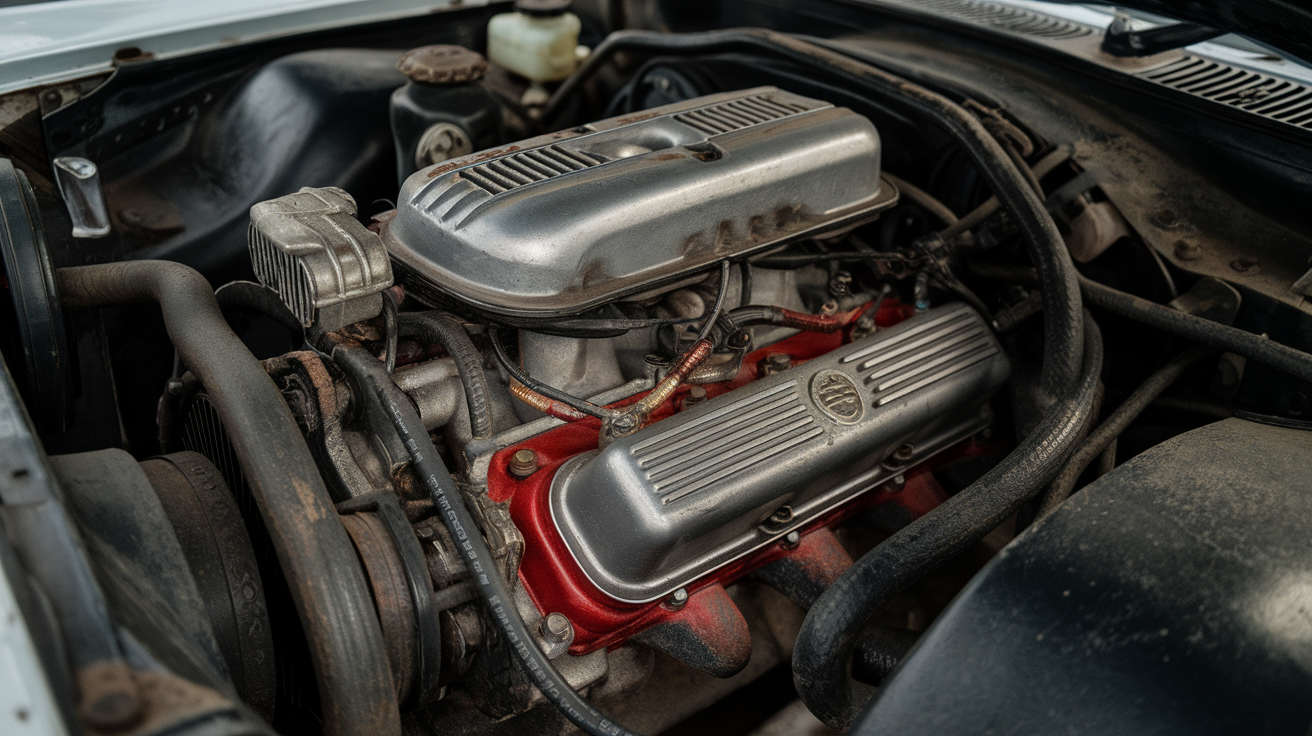
FAQs | Car Engine Inspection Tips Every Driver Should Know
Q1 | Can I skip inspections if I’m doing regular service?
Servicing and inspection may overlap. Ask what the car engine inspection adds to the service and whether any symptom needs a separate test.
Q2 | How much time does an engine inspection take?
Most car engine inspections take around 1 to 2 hours
If additional diagnostic scanning or pressure testing is needed, it might take a little longer. The goal is accuracy, not speed, so giving the process time ensures nothing is missed.
Q3 | What’s the average cost of a car engine inspection in Dubai?
Costs usually range between 300 to 700 AED depending on the vehicle
Luxury or performance models may require deeper diagnostics and more time. Always ask for a detailed breakdown so you know exactly what’s included in the inspection.
Q4 | Will an inspection damage anything in my car?
Not at all. A car engine inspection is completely non-invasive
It’s designed to detect, not dismantle. Mechanics use scanners, visual checks, and pressure readings without opening up major engine parts unless a serious issue is found.
Q5 | Do I need special tools for DIY checks?
You don’t need a full garage setup to get started
A basic OBD scanner, flashlight, and tire pressure gauge can help with basic car engine inspection tasks at home. But for anything beyond surface-level checks, it’s smart to visit a professional garage.
Ask about checks if you notice a change or need an engine assessment before buying. A car engine inspection should explain what was found and which questions remain.