
Before an RTA vehicle test, check the car’s visible safety items, record symptoms and leave time for necessary diagnosis. A preparation checklist helps you organise the visit; it cannot guarantee the official result.
This guide covers checks you can discuss with a workshop. For official appointments, fees and the distinction between private and authorised testing, see how to prepare for an RTA inspection in Dubai.
Start with issues that need professional attention
Do not postpone a braking, steering, overheating or tyre concern until the test date. Tell the workshop what happens, when it started and whether any warning message appears. If driving may be unsafe, arrange recovery instead of a road test.
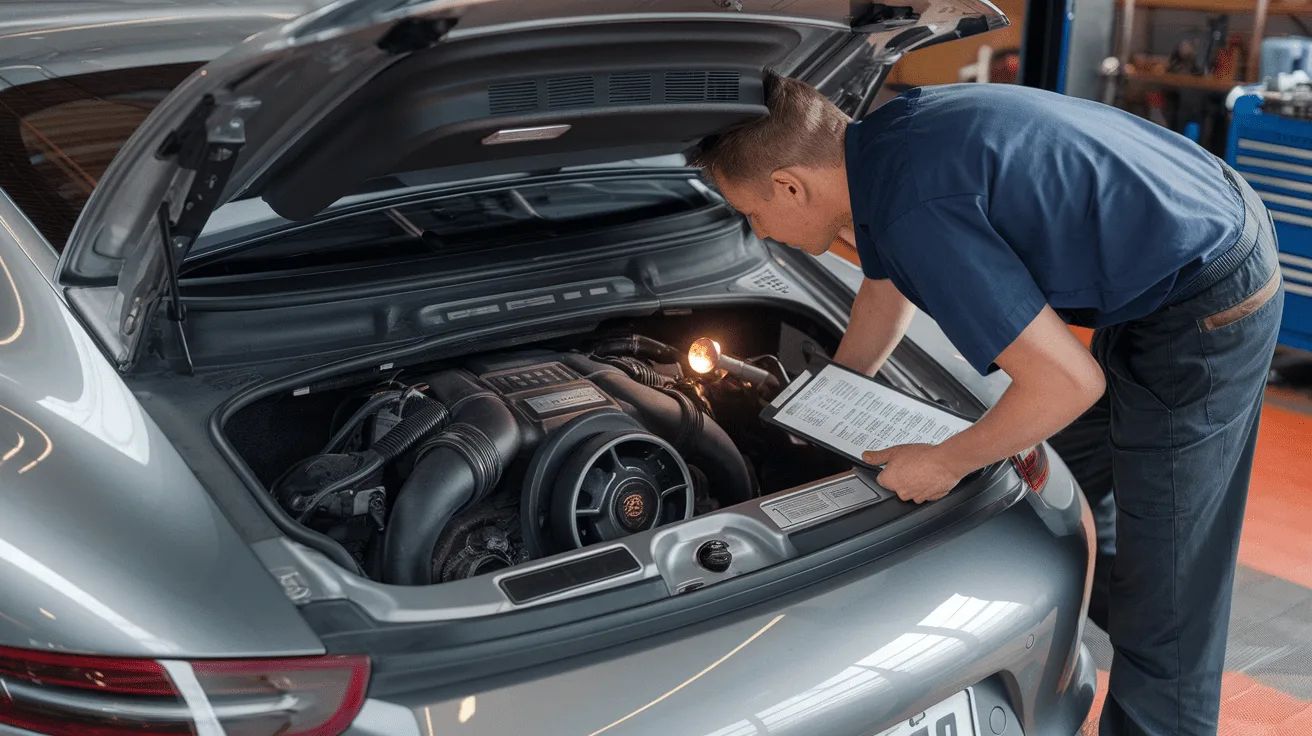
Walk around the parked car
- Tyres: look for obvious damage, uneven wear and pressure loss. Use the vehicle’s specified pressures and have uncertain condition assessed.
- Lights: check headlights, indicators, rear lights and brake lights with a helper while the car is parked safely.
- Glass and wipers: check visibility, chips or cracks, washer operation and whether the blades clear the screen.
- Body and plates: look for loose parts, sharp damaged edges and insecure or obscured number plates.
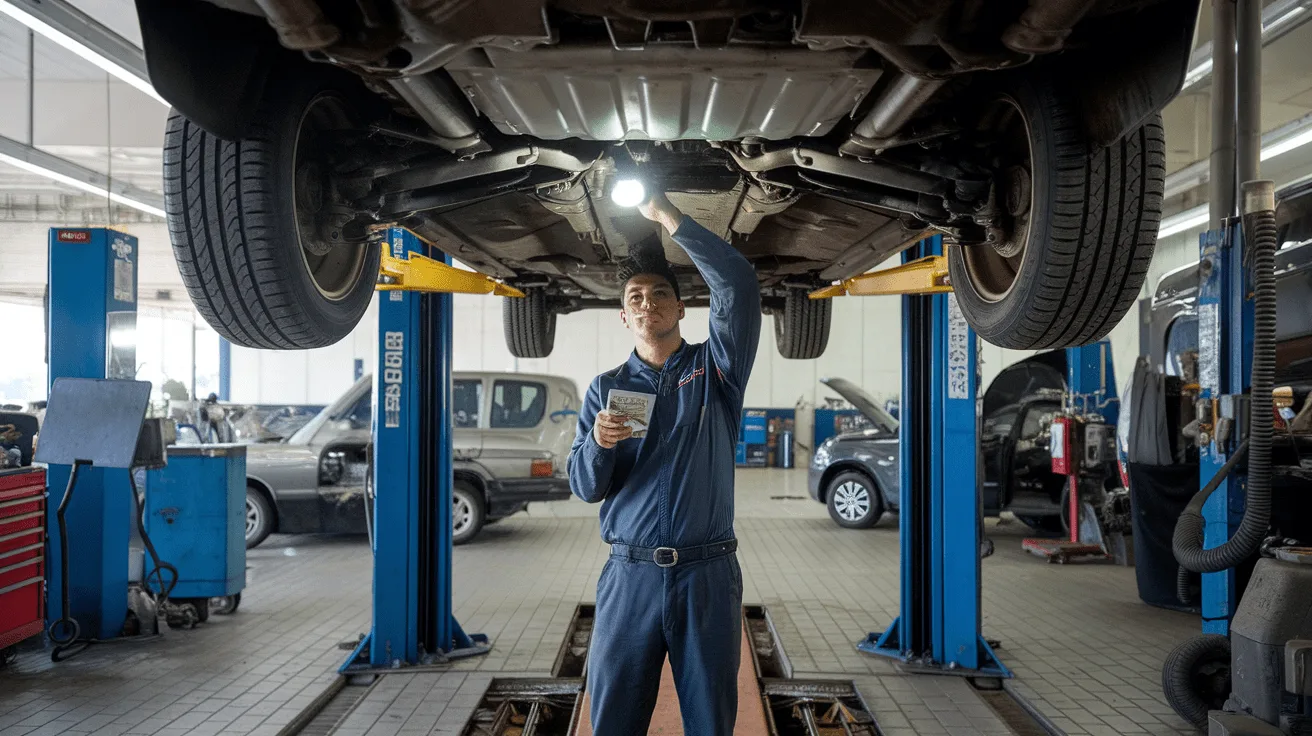
Do not crawl underneath a vehicle supported only by a jack. Arrange a suitable lift inspection if the underside needs assessment.
Check the cabin
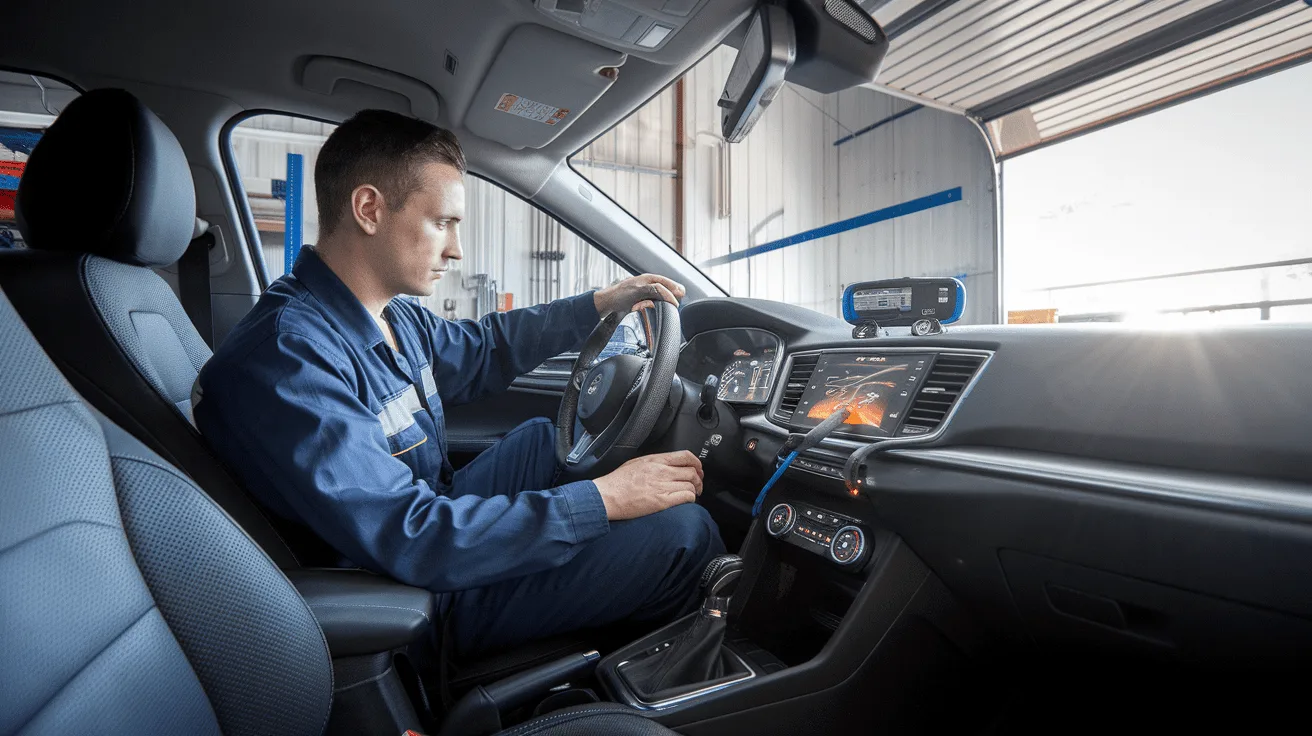
Examine accessible seat-belt webbing for damage and check normal buckle operation. Note warning lights that remain on or messages that return. Follow the handbook for warning-light meanings; avoid guessing from the symbol’s colour alone.
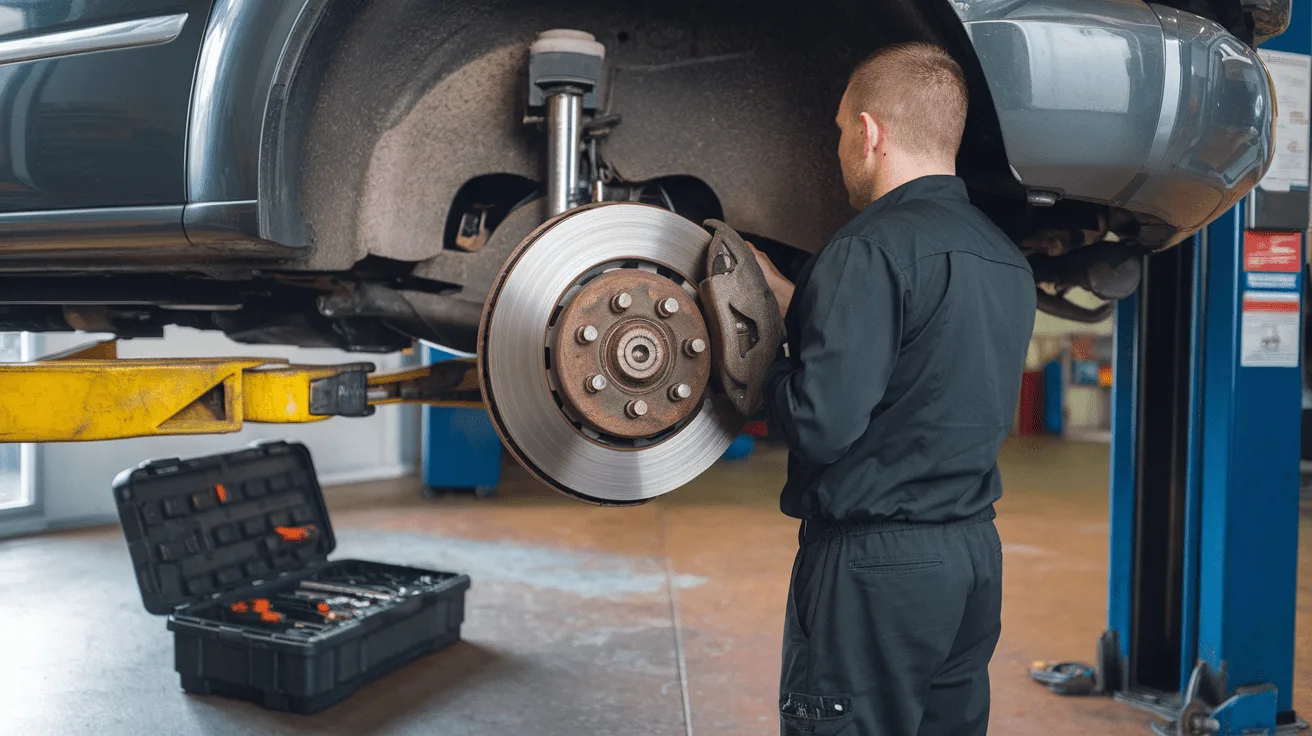
Give the workshop a useful symptom list
A short description is more useful than a request to replace parts until the car passes. Record:
- Whether an abnormal sound occurs when braking, steering or crossing a bump.
- Whether a leak appears after parking, and where it is visible.
- Whether a warning is constant or intermittent.
- Any recent battery, tyre, suspension, body or exhaust work.
- Modifications and the approval documents available for them.
Ask for a diagnosis and quote before repairs. A fault code is evidence to investigate; it does not automatically identify the failed component. Our warning-light diagnostics service explains the available private checks.
Confirm the official arrangements
Use the RTA inspection service page to confirm the correct appointment, centre and current requirements for your case. Keep the booking details and follow its instructions for the visit.
The official technical inspection certificate has a 30-day validity; it is not a one-year mechanical warranty. A private preparation report is separate and does not replace it.
After repairs or a failed test
Compare the work completed with the concerns recorded. Ask whether a measured check, diagnostic confirmation or safe road test is needed to verify the repair. Keep the documents and follow the authorised centre’s retest instructions.
For a focused list of areas to investigate, read ten faults to check before an RTA test. It is a preparation aid, not a substitute for the official criteria.
A final check before leaving
- Make sure the appointment matches the vehicle and purpose of the visit.
- Keep the requested identification and vehicle details accessible.
- Confirm known concerns have been assessed rather than temporarily hidden.
- Leave the inspector access to the necessary areas.
- Allow time for the visit without rushing to drive a vehicle that may be unsafe.
If you want a private check first, tell Inspector the symptoms and the date of your planned official test. We can explain what can be assessed within the booking.