
Classic car inspection in Dubai
Check a classic car’s condition, alterations and previous repairs before buying or planning work. Inspector examines the accessible areas agreed for the appointment and explains what needs further investigation. Appearance, age and supplied documents alone cannot prove originality.

Classic inspection prices
The current Inspector cost guide lists service-specific classic inspection ranges. They are not general Dubai market estimates, and the payable amount depends on the confirmed vehicle, purpose, access, and scope.
Classic basic inspection
AED 500–750For an agreed, limited condition question on a classic vehicle. The quotation should identify which accessible systems, evidence and delivery setting are included.
- Useful when the required question is narrower than a purchase decision
- Does not imply a full originality review or internal mechanical testing
- Confirm the total for your car and required checks
Classic pre-purchase inspection
AED 1,200–1,800For a buyer who needs broader accessible condition and evidence before deciding whether to proceed or commission specialist tests.
- Choose checks suited to the car’s age, construction and alterations
- Records and visible identifiers can support originality checks but cannot authenticate the car
- Hidden structure and internal assemblies remain limited without added access
Price conditions VAT treatment and mobile travel are not covered by one universal formula. Ask for the selected scope, exclusions, travel treatment, VAT status, and total payable amount in writing. For current package context, see Inspector car inspection prices and quotation conditions.
What can be checked and what needs verification
A classic car can be mechanically usable yet highly modified, visually original yet inactive, or restored with incomplete records. The report should keep these questions separate.
Retained
What to look forPeriod construction details, identification marks, fasteners, finishes, materials, routing and components that appear consistent with the vehicle.
LimitVisual consistency is not a certificate of authenticity. It must be qualified when numbers, documents or inaccessible areas cannot be verified.
Renewed
What to look forReplacement hoses, wiring, cooling parts, brake items, tires, seals, trim or refurbished assemblies that affect present condition.
LimitNew-looking parts do not prove correct specification, workmanship, installation date or internal condition.
Modified
What to look forNon-standard engine, transmission, suspension, brakes, wheels, electrical equipment, air conditioning, bodywork or safety restraints.
LimitThe inspection can describe accessible alterations. It does not certify legality, engineering approval, compatibility or insurance acceptance.
Unresolved
What to look forUnknown identity, incomplete records, inactive systems, hidden corrosion, unexplained noise, leakage, mismatched finishes or seller-restricted access.
LimitUnresolved does not mean failed. It identifies where evidence was insufficient and what specialist check may be required next.
Use the inspection for a defined decision
A classic inspection can support a buyer comparing condition with the seller’s description, an owner planning maintenance, a collector reviewing a recent restoration, or a customer deciding whether a non-running vehicle deserves deeper specialist testing.
Before booking, state whether the priority is purchase condition, originality evidence, corrosion, drivability, cooling, electrical operation, repair quality or a post-repair review. That question determines which access and methods matter.
- Buyer decision needs checks across the accessible systems and an explanation of anything still uncertain.
- Restoration review needs repair records, visible workmanship and agreed system checks.
- Long-stored vehicle needs safe operating assumptions and may not be suitable for a road test.
- Modified vehicle needs the known changes declared so observations are not compared with the wrong specification.
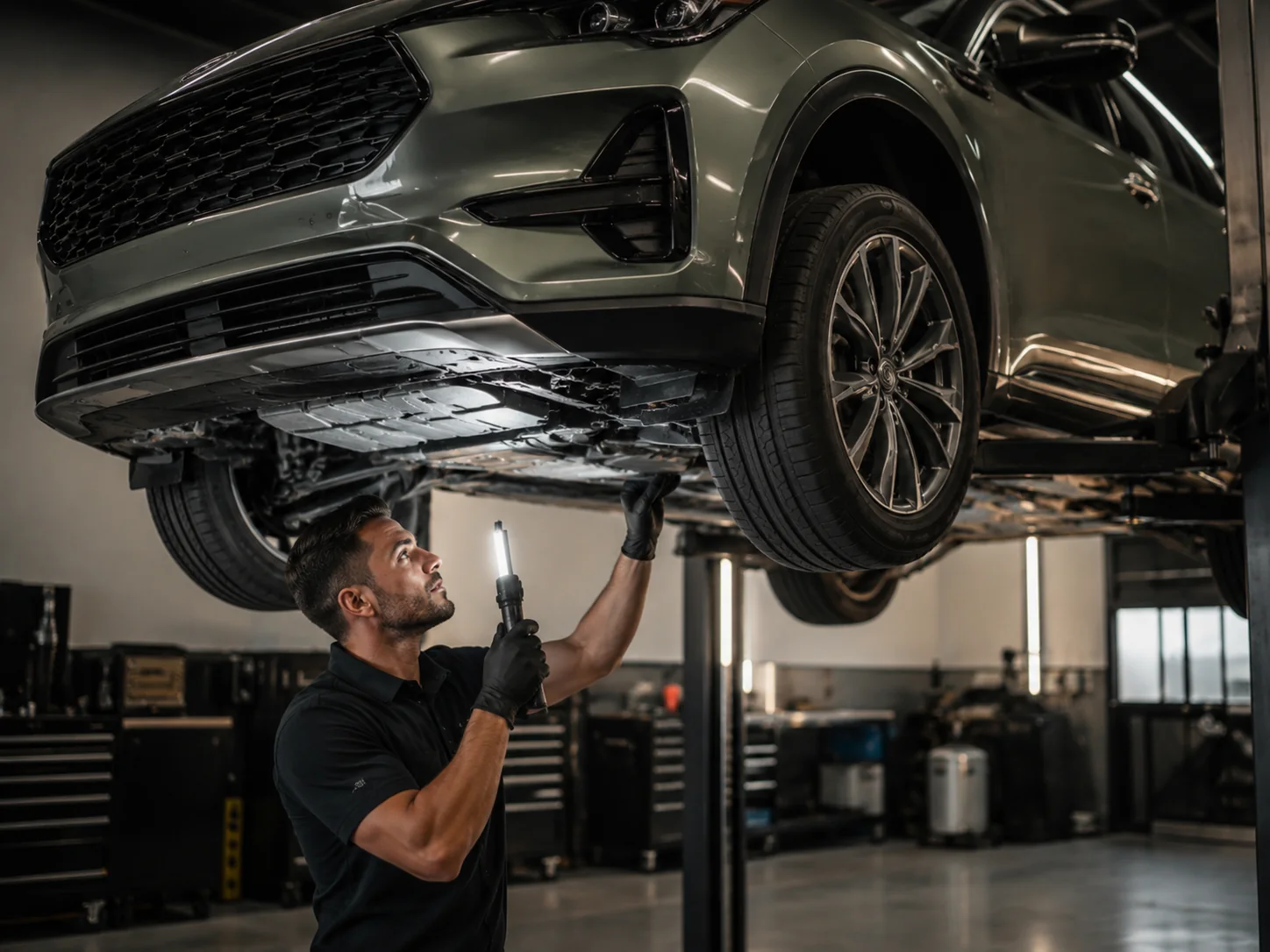
What Inspector can examine
The confirmed scope should name the systems relevant to the decision. An older vehicle may require different methods from a modern diagnostic-led inspection.
Numbers, plates and documents in view
Accessible identifiers and supplied records can be photographed or noted. Inspector does not guarantee provenance, ownership, matching numbers or document authenticity.
Visible condition and operation
Observations may include fluids, leaks, hoses, belts, mounts, wiring, fuel delivery cues, cooling components and running behavior when safe. Internal wear is not proven visually.
Accessible leakage and behavior
Selector operation, clutch behavior, visible joints, mounts, differential areas and road behavior may be observed where conditions permit. Internal gears and bearings are not exposed.
Condition within access
Visible joints, bushes, dampers, springs, lines, wheels, tires and brake components can be considered. No alignment measurement or dismantling is implied.
Visible repairs and deterioration
Panel fit, finish, paint patterns, accessible seams, floors, sills and underside areas can be recorded. Filler, coatings, trim and enclosed cavities can conceal corrosion or repair work.
Systems available to operate
Lighting, gauges, switches, charging cues, windows, ventilation and fitted equipment may be checked. Old wiring faults can be intermittent and unsafe access will not be attempted.
Computer diagnostics are useful only where the vehicle actually supports relevant electronic access. Many classic cars have no modern on-board diagnostic coverage. If a warning or electrical symptom needs deeper investigation, review the difference between a scan and fault diagnosis.
Compare paint readings with corrosion and repair signs
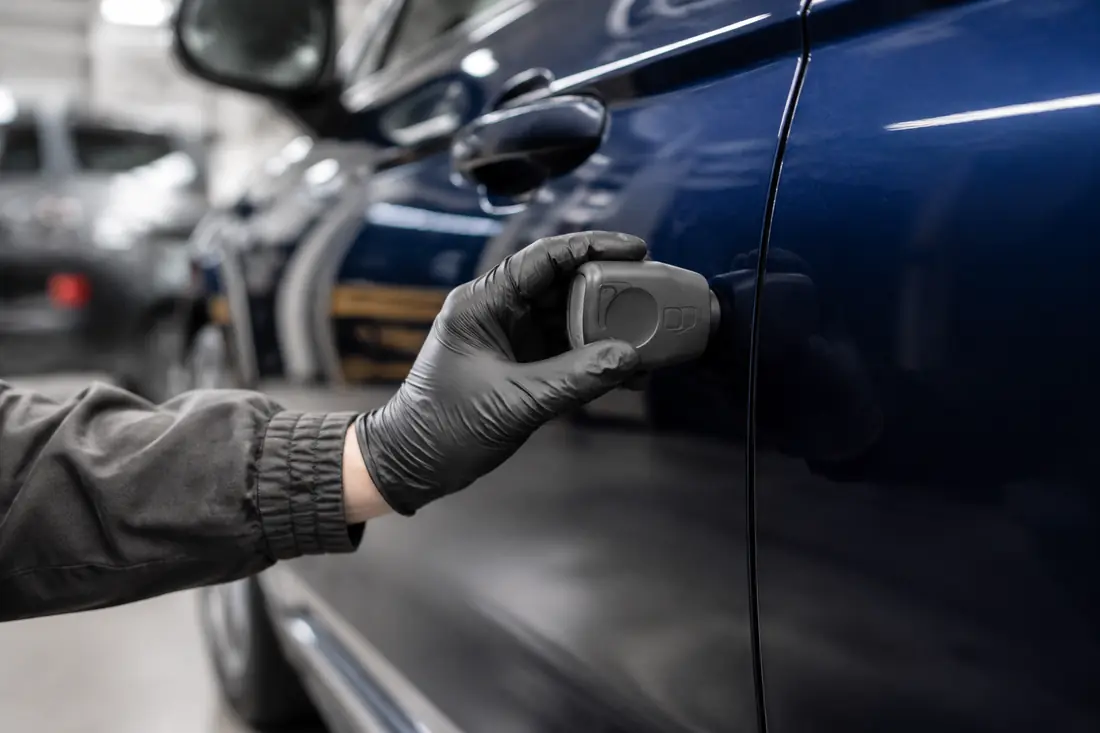
Classic paintwork often reflects several decades of refinishing, local repair, filler, replacement panels or restoration. Paint-depth readings can support an observation on suitable metal surfaces, but one reading cannot establish originality, repair quality or the age of the work.
Visual checks may note color mismatch, sanding marks, overspray, waviness, cracking, bubbling, disturbed seams or unusual fasteners. Rust can exist behind trim, under coatings, inside box sections and beneath older repairs. A non-invasive inspection cannot guarantee that all corrosion has been found.
If the vehicle is in salvage or incomplete condition rather than an operational classic, a salvage-car checks may be more suitable.
Workshop and mobile considerations
If you searched for a classic car inspection near me, the best setting depends on the vehicle’s running condition, ground clearance, fragility, and required evidence. Mobile attendance may suit a vehicle that should not be transported, while an appointment at Al Quoz 4, Dubai may provide better lighting, lift access, and controlled inspection conditions.
| Criterion | Workshop | Mobile |
|---|---|---|
| Guide prices | Basic classic inspection AED 500–750; pre-purchase inspection AED 1,200–1,800. Confirm the included checks and total. | The same published category context may apply, but the exact location and access must be quoted. No fixed travel formula is published. |
| Lift access | Can be appropriate when the confirmed facility and vehicle lifting points permit safe use. | Usually limited to the view available from ground level unless separate equipment is confirmed. |
| Underbody visibility | Potentially better around floors, sills, chassis, suspension and driveline components. | May be restricted by ride height, parking surface, lighting and seller access. |
| Electrical and diagnostic work | Depends on the agreed vehicle-specific method and safe connections. | Also depends on safe access and available power. Modern scan coverage may not exist on older cars. |
| Road test | Only when the vehicle is legal, insured, safe, fuelled and permitted to drive. | The same conditions apply. A stored or non-running classic may receive stationary observations only. |
| Best use | When the underside needs inspection or the work needs controlled lighting and safe access. | When the car should not be transported and the agreed scope is practical at its storage location. |
| Main limitation | A workshop does not automatically authorise dismantling, invasive tests or removal of fragile trim. | Space, heat, weather, low clearance, seller cooperation and storage conditions can restrict completion. |
For seller-location preparation, use Inspector’s mobile inspection access requirements. The report should state when a vehicle could not be lifted, started or road tested.
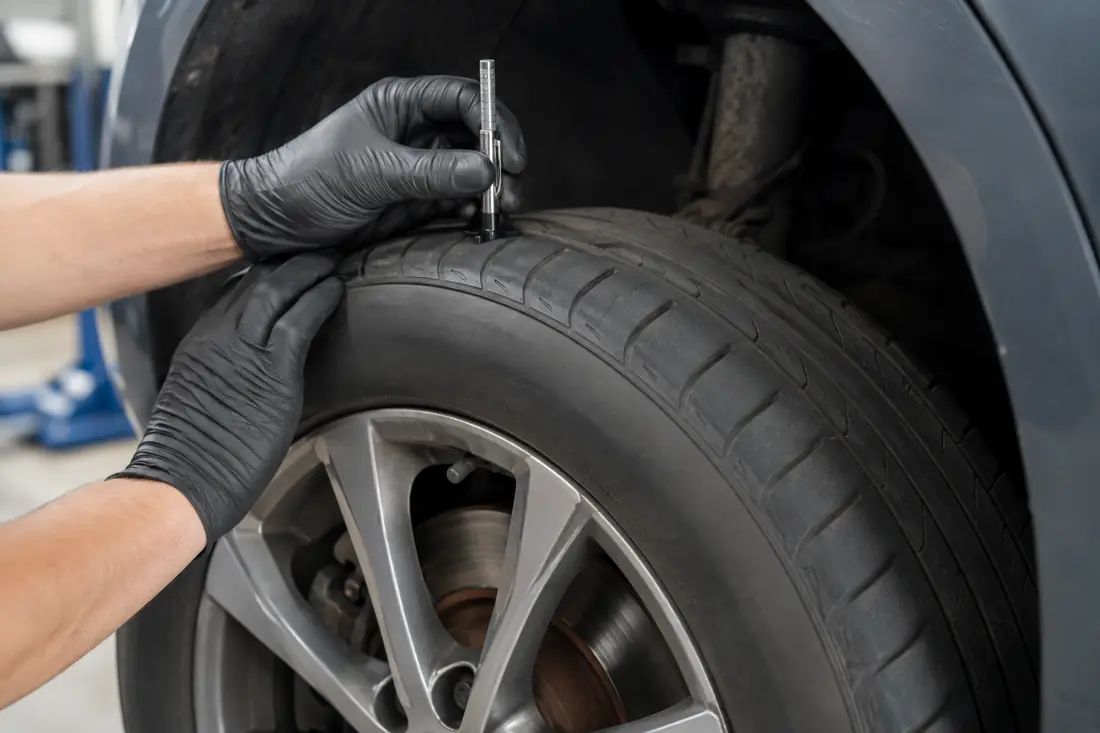
A road test may be inappropriate
A road test can help observe starting, clutch or selector behavior, steering response, braking feel, driveline noise, cooling behavior and instrument operation under the tested conditions. It does not prove performance at every speed, temperature or load.
A classic should not be driven merely to complete a checklist. Unsafe tires, fluid loss, overheating, brake concerns, registration status, insurance, owner refusal or lack of a suitable route may prevent testing. Stationary operation can also be limited when fuel age, oil pressure, cooling integrity or unknown restoration work creates risk.
The customer should disclose a long storage period, recent engine work, non-standard fuel system, battery isolation procedure, starting sequence or any instruction needed to operate the vehicle safely.
Old wiring deserves careful boundaries
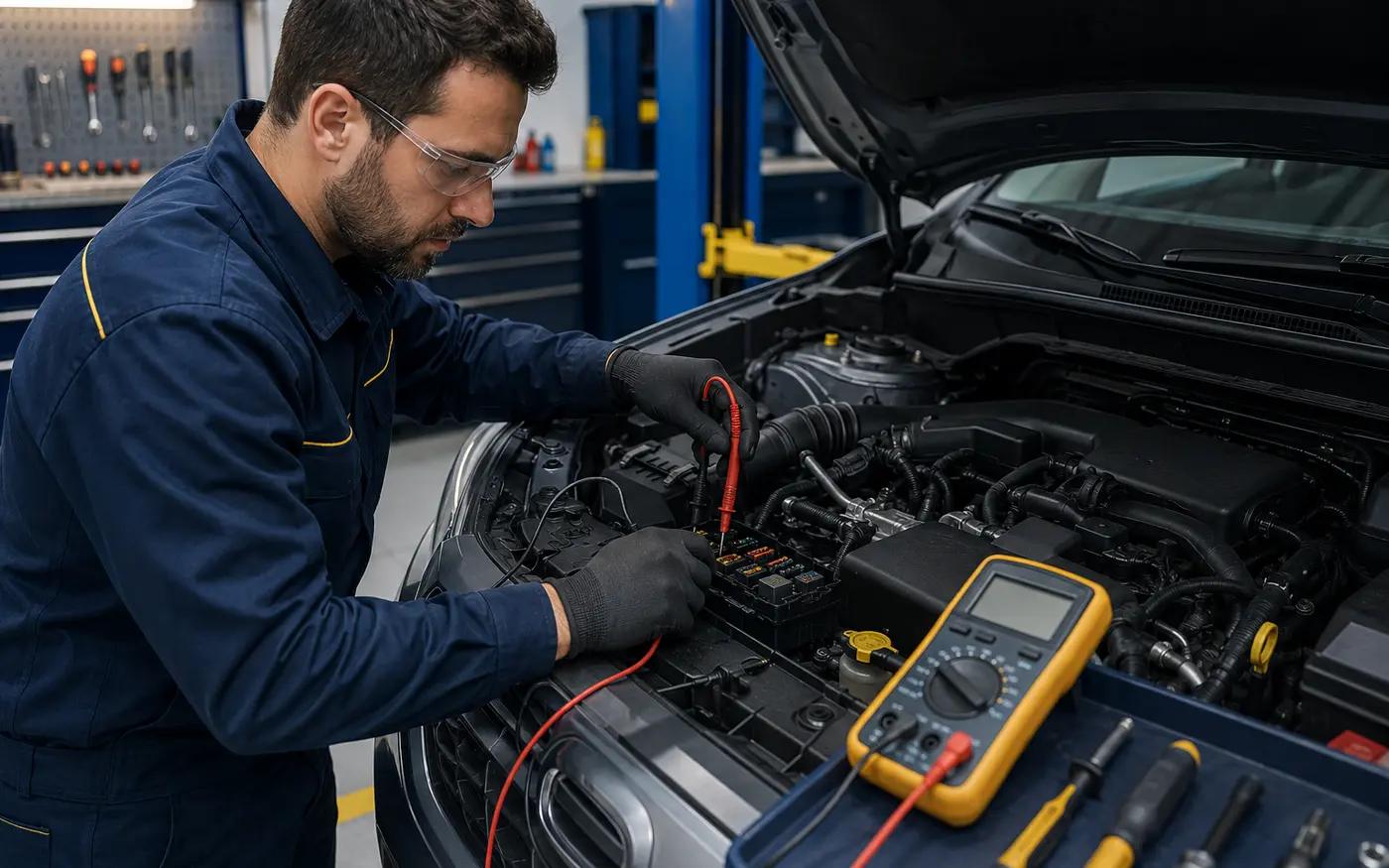
Classic electrical systems may contain brittle insulation, added relays, converted charging systems, alarm wiring, audio equipment, air-conditioning upgrades or undocumented repairs. An agreed functional review can identify systems that operated, did not operate or behaved intermittently during the inspection.
That observation is not a complete circuit diagnosis. Establishing a fault may require wiring diagrams, continuity and voltage-drop testing, load testing, access behind trim or work by a marque specialist. Unsafe or improvised wiring should be described without energising a circuit that could create damage.
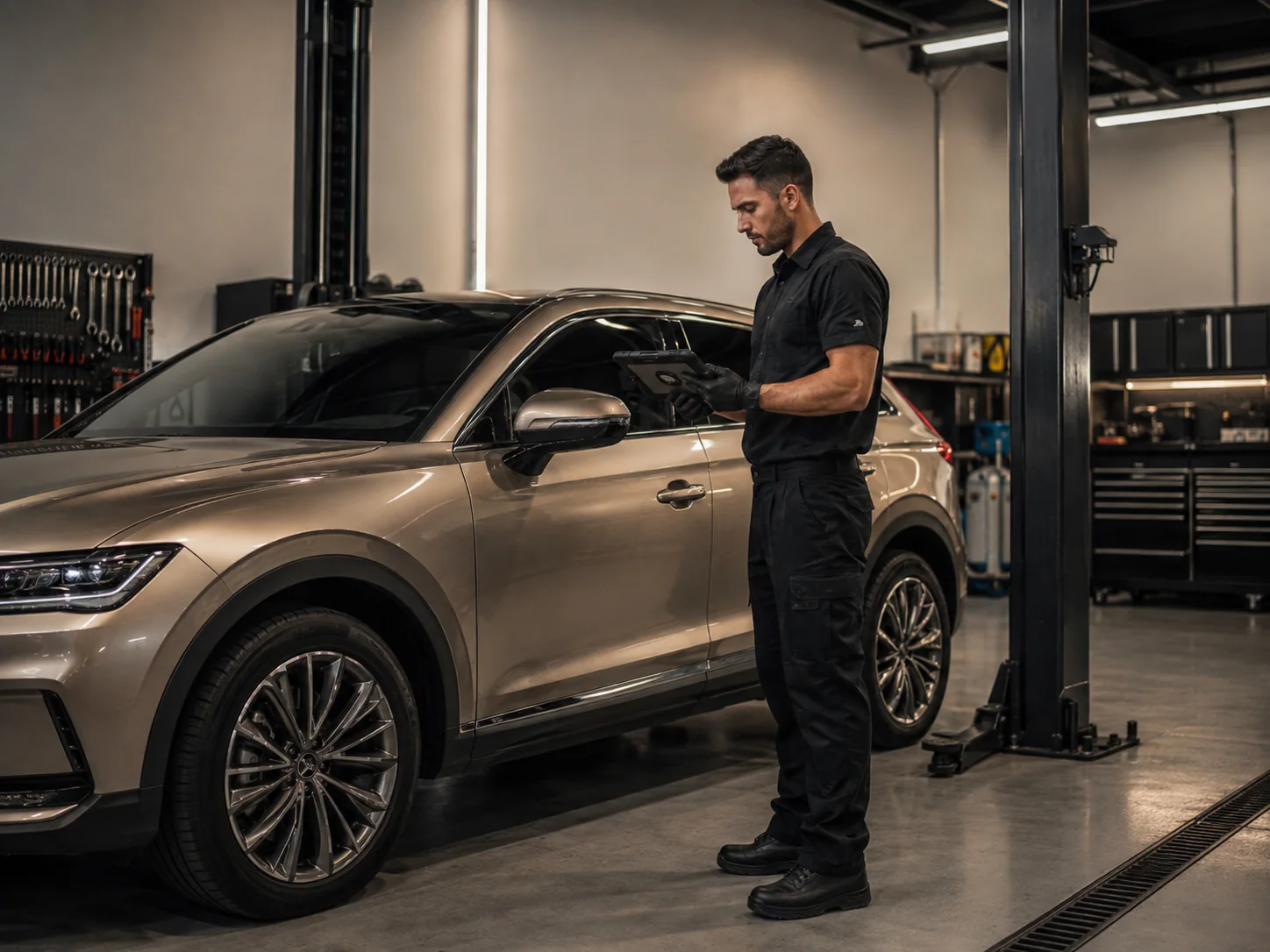
What the report should distinguish
The report should help the customer decide what is known, what is inferred and what still requires specialist verification.
- Vehicle details including the stated identity, inspection purpose, running state and access available.
- Observed condition across the agreed body, chassis, engine, cooling, driveline, steering, suspension, brakes, electrical and cabin scope.
- Originality cues described as observations, not authentication.
- Repairs and corrosion with photographs where included and useful.
- Operating findings from stationary checks or a road test, with the test conditions stated.
- Unresolved questions and recommended specialist tests, dismantling or document checks.
- Limitations such as inactive systems, covered structure, absent records or refused access.
What the inspection does not certify
Authenticity and provenance
It does not authenticate ownership history, matching numbers, rare specification, factory originality or supplied documents.
Hidden corrosion
It cannot guarantee the absence of rust inside cavities, under trim, beneath coatings or behind older repairs.
Internal mechanical health
It does not prove internal engine, gearbox or differential condition without the relevant specialist test or dismantling.
Future operation
Ageing seals, wiring, bearings and materials can fail later even when no active symptom appeared during inspection.
Value or insurance
Condition evidence is not automatically a valuation, agreed insurance value, insurer approval or warranty decision.
Official roadworthiness
Inspector does not issue an RTA pass, registration test result, export certificate or government roadworthiness approval.
What Inspector needs for an exact quote
Classic scope and access vary widely. Send the evidence available before Inspector confirms the total, VAT treatment and appointment.
Your name and contact number, make, model, model year, variant, chassis type and any supplied identifiers or records.
Running, non-running, stored, dismantled or recently restored, plus known leaks, overheating, noises, warning lamps or starting instructions.
Purchase, maintenance planning, restoration review, post-repair check or one defined concern. State whether originality, corrosion or mechanical operation is the priority.
Exact location, seller or dealer contact, permission, workshop or mobile preference, lift suitability, road-test availability and preferred date.
Classic car inspection FAQs
How much does a classic car inspection cost in Dubai?
Inspector currently publishes AED 500–750 for classic basic scopes and AED 1,200–1,800 for classic pre-purchase scopes. The written quotation should confirm the exact vehicle, methods, delivery location, VAT treatment and total payable amount.
What is the difference between the two classic price ranges?
A basic scope addresses a narrower agreed condition question. A pre-purchase scope is intended to support a broader buying decision. The exact inclusions must still be confirmed because age, construction, records and access differ between vehicles.
Is VAT included in the listed price?
The current public pricing authority does not state one consistent VAT treatment for every scope. Ask Inspector to show whether VAT is included or added before accepting the quotation.
Can an inspection prove that a classic car is original?
No. It can record accessible identifiers, period-consistent features, alterations and supplied documents. Authentication of provenance, matching numbers, rare specifications or factory originality may require a marque expert and independent document verification.
Does the inspection check for rust?
Accessible corrosion and related repair evidence can be observed within the agreed scope. Rust can remain hidden inside box sections, under coatings, behind trim or beneath filler, so a non-invasive inspection cannot guarantee its absence.
Is paint-depth measurement useful on an older car?
It can support refinishing observations on suitable metal surfaces. Different panel materials, repeated repainting, filler and protective coatings can affect readings, so results must be interpreted with visible evidence.
Will Inspector start a long-stored classic?
Only when the owner permits it and the known condition makes operation reasonably safe. Old fuel, low fluids, unknown oil pressure, cooling concerns or incomplete restoration can justify stationary visual checks instead.
Is a road test included?
It must be permitted and suitable within the confirmed scope. Registration, insurance, tires, brakes, fluids, fuel, route and vehicle condition all affect whether a test can be completed. The report should state when it was not.
Does a classic car need computer diagnostics?
Many classic vehicles have no modern on-board diagnostic system. Later classics or converted vehicles may offer limited access. A scan is included only when confirmed, and a code does not by itself prove that a part has failed.
Does the inspection include compression or leak-down testing?
Not unless the written scope expressly includes it. These are separate specialist methods that may be recommended when smoke, uneven running, poor performance or engine condition requires deeper evidence.
Can Inspector verify matching engine and chassis numbers?
Accessible numbers can be recorded and compared with documents supplied, but that does not authenticate the numbers, documents, factory specification or ownership history. Specialist marque records may be needed.
Is a workshop better than mobile inspection?
A workshop may provide better lighting and lift access. Mobile inspection may suit a vehicle that should not be transported. The better choice depends on safe access to the evidence required, not a universal quality difference.
Can a non-running classic be inspected?
Yes, if Inspector accepts a suitable stationary scope. Running behavior and road testing will be unavailable, and the quotation and report should explain how those missing observations limit the conclusion.
Are photographs included in the report?
Photographic evidence should be confirmed in the quotation. Images can document selected visible findings but cannot reveal covered structure, prove repair age or replace specialist measurement.
Can the report be used as a valuation?
Not automatically. A condition inspection and a vehicle valuation answer different questions. If value is required, use Inspector’s condition-led car valuation service information and confirm the records it requires.
Is this an official RTA classic vehicle test?
No. Inspector provides a private vehicle-condition service and does not issue an RTA pass, registration result, export certificate or government roadworthiness approval.
Does the inspection guarantee future reliability?
No. It records accessible condition during the appointment. Age-related deterioration, hidden corrosion, internal wear and intermittent electrical or fuel-system faults can remain, so recommended specialist checks should be considered.
Request a classic-specific quotation
Send the make, model, year, current running state, location, decision, known history and access available. Inspector can then state the agreed scope, exclusions, VAT treatment and total price.