
BMW Inspection in Dubai
Buying a used BMW or investigating a fault? Inspector checks the agreed bodywork, engine, cooling, transmission, xDrive, chassis and electronic systems, with a road test where possible. The report explains urgent concerns, planned maintenance and any further tests needed. See our other car inspection services in Dubai before choosing the checks you need.

Know what you are buying before you commit
A useful BMW inspection should answer the question behind your booking. A buyer may need to know whether the asking price matches the car’s condition. An owner may need help understanding a warning light, vibration, leak, or cooling concern. We match the inspection scope to the exact BMW, its history, and your decision. Our multi-point car inspection explains how findings from different systems are considered together.
Confirm the exact BMW
We record the VIN, displayed mileage, model, generation, body style, engine, drivetrain, and visible equipment. This matters because a 330i, 330e, M340i, and M3 may look similar but have different cooling, brake, suspension, transmission, and diagnostic requirements.
Compare the records with the car
Service records, invoices, previous inspection reports, repair estimates, spare keys, and seller statements add useful context. We compare those documents with the vehicle’s visible condition. Missing records increase uncertainty, but they do not automatically mean the car has been poorly maintained.
Look for previous body repairs
We check panel alignment, paint finish, accessible fasteners and seams, glass and light dates, visible structure, and selected paint-depth readings. The aim is to identify repair patterns and areas that deserve closer attention. A non-invasive check cannot prove the complete accident history. If collision repair is your main concern, consider a dedicated accident damage inspection.
Check engine and cooling condition
Starting quality, idle, smoke, accessible fluids, visible leaks, cooling behavior, unusual noises, mounts, belt drive, exhaust condition, and engine response can reveal current concerns. Some problems appear only when the engine is cold or fully warm, so the inspection conditions are recorded in the report.
Scan the car and test its functions
We review dashboard warnings, battery behavior, accessible control-module faults, readiness information, communication problems, and the operation of fitted features. A fault code points toward a condition or circuit. It does not automatically prove that a specific part needs replacement.
Assess how the BMW drives
When permission, registration, safety, and the route allow, the road test checks steering, braking, ride quality, vibration, gearbox take-up, shifting, engine response, and temperature. If a reported symptom does not appear during the available drive, the report records that limitation instead of treating the problem as solved.
BMW systems that can change repair risk
The badge alone does not tell you what is underneath the car. Engine family, gearbox type, driven wheels, electrification, and factory options can change both the inspection method and the cost risk behind a finding. We confirm the specification first so the report fits the actual BMW.
Petrol and diesel engine checks
BMW four-, six-, and eight-cylinder engines have different cooling layouts, access points, and service concerns. We check how the engine starts and runs, plus visible leaks, temperature behavior, smoke, noises, and diagnostic evidence. We do not assume that an online “common fault” applies to every car.
Cooling system checks
BMW cooling systems may use electric water pumps, mapped thermostats, several cooling circuits, shutters, and charge-air cooling. We look for visible leaks, dried coolant, fan behavior, warnings, and temperature concerns. If the evidence is unclear, the report may recommend a pressure test or longer workshop assessment.
Gearbox behavior
The inspection considers the actual transmission fitted to the BMW. We review gear selection, take-up, shift quality, vibration, visible leakage, warning messages, and available fault information. Cold and warm behavior may differ, and a short drive cannot reveal every intermittent or load-related problem.
xDrive checks
On an xDrive BMW, mismatched tires, vibration, binding at low speed, visible leaks, and stored faults can point to driveline concerns. The inspection helps identify risk and the next test. It cannot measure the remaining life of internal transfer-case or differential components.
Suspension and steering checks
Adaptive dampers, air suspension, active roll control, rear steering, and variable steering add more systems to inspect. We consider ride height, warning messages, mode changes, tire wear, noises, visible leakage, and road behavior together so one symptom is not judged in isolation.
Hybrid and electric BMW checks
BMW i and plug-in hybrid models require attention to charging, high-voltage warnings, thermal management, the visible battery enclosure, electric drive behavior, and the 12-volt system. A general inspection does not open high-voltage components or provide an independent battery-capacity certificate.

Engine and cooling checks that protect your decision
A cold start can reveal rough running, smoke, noises, or leaks that become less obvious after warm-up. A warm road test may be needed to assess cooling stability, power delivery, or gearbox behavior. If both conditions matter, tell us before the appointment so the inspection can be planned correctly.
The check can cover accessible oil and coolant condition, visible residue and leakage, smoke, unusual sounds, idle quality, engine response, mounts, exhaust evidence, and available diagnostic data. Normal direct-injection sound, fan operation, or condensation must be separated from a genuine fault.
Some findings need further testing to confirm the cause. This may include cooling-system pressure tests, smoke tests, compression or leak-down tests, fuel-pressure checks, longer live-data review or specialist dismantling. The report should state which tests were completed and which are recommended.
Inspection priorities by BMW model
Different BMW families create different ownership and repair risks. Size, weight, drivetrain, suspension, electrification, equipment, and previous use all affect what deserves extra attention during the inspection.
BMW 1 Series to 4 Series
For compact and midsize BMWs, we confirm the generation, engine, drivetrain, transmission, suspension, and driver-assistance equipment. Tire wear, cooling behavior, underbody contact, body repair, and modification quality are reviewed. Coupes, convertibles, and Gran Coupes also need roof, seal, and body-alignment checks.
BMW 5 Series to 8 Series
Larger BMW models usually have more comfort modules, powered equipment, adaptive chassis features, lighting systems, and rear-seat functions. A small warning or communication fault can involve several connected systems, so operation and diagnostic evidence are checked together.
BMW X models
BMW SUVs place more demand on tires, brakes, suspension, and xDrive components. We check tire matching, transfer-case behavior, wheel condition, panoramic-roof clues, visible underbody damage, and the fitted suspension type. The road test can also reveal low-speed binding, vibration, or ride concerns.
BMW M and M Performance models
Performance BMWs need the correct identity and fitted hardware confirmed before their brakes, cooling, tires, and suspension are judged. We look for visible modifications, wheel damage, heat stress, non-standard intake or exhaust parts, and available maintenance evidence. Hidden software changes and remaining component life cannot be guaranteed.
BMW i electric models
The inspection can review the charging connection, warning state, visible high-voltage battery protection, cooling, tires, brakes, suspension, functions, and accessible diagnostics. The range shown on one day depends on charge level, temperature, and recent use, so it is not proof of battery capacity.
BMW plug-in hybrids
A plug-in hybrid needs both its combustion and electric systems considered. Where conditions allow, we check charging operation, cooling, visible battery areas, warnings, and the transition between drive systems. Low charge, old fuel, or a short route can limit what can be demonstrated.
Why a diagnostic scan is only one part of the answer
BMWs can store a large amount of electronic information, but scan results need physical and historical context. A fault may be old, intermittent, voltage-related, or caused by another problem. A clear scan also cannot rule out body repairs, mechanical wear, leaks, tire damage, or recently cleared faults.
The strongest conclusion connects what you or the seller reported with what the car displays, what can be seen, how it drives, what the modules record, and what the documents support. If those sources do not agree, the difference remains visible in your report so you can investigate it before committing.
Physical inspection
We compare body condition, visible leaks, repairs, tires, brakes, warning lights, and fitted functions.
Computer scan
We review accessible modules, active and stored faults, readiness information, and communication problems.
Final comparison
We connect the physical check, road behavior, operating temperature, records, seller statements, and inspection limitations.
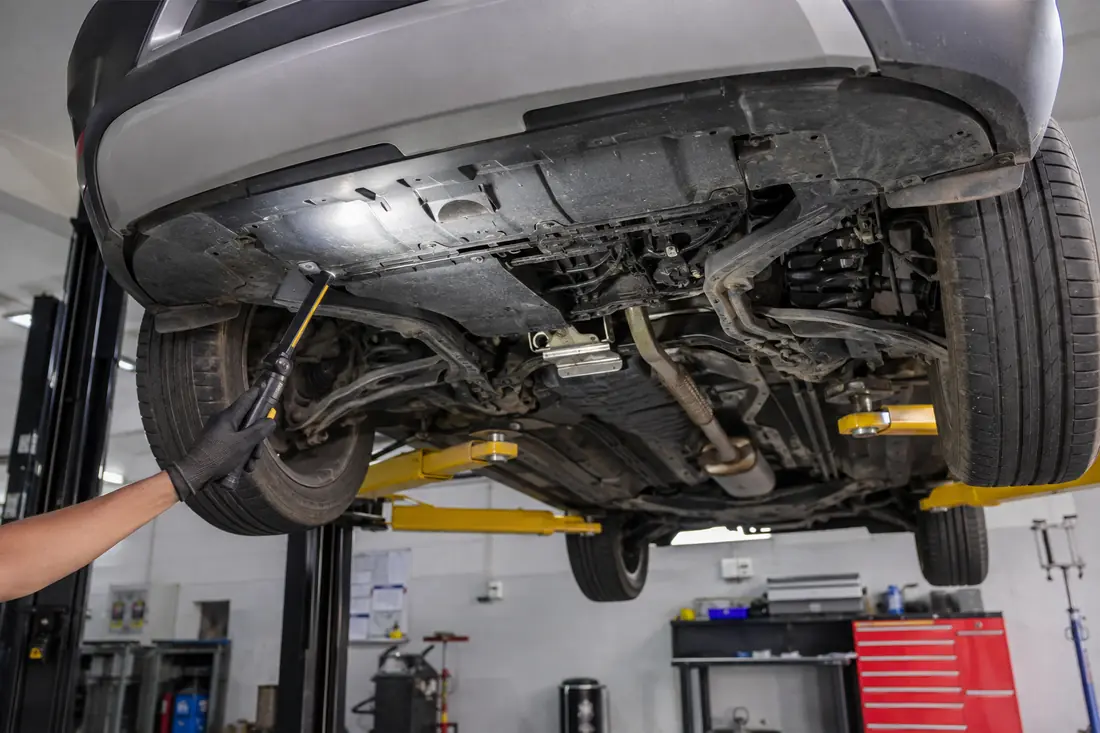


What is included in your BMW condition assessment
The agreed package can cover the areas below. The exact depth depends on the BMW, its condition, the location, and available access. Your report separates what was observed from what still needs a specialist test or workshop diagnosis.
| Inspection area | What we check | How it helps you | What it cannot confirm |
|---|---|---|---|
| Identity and specification | VIN, model, displayed mileage, engine, drivetrain, body style, and visible equipment | Confirms that the inspection and diagnostic questions match the actual BMW | Cannot authenticate every record, factory option, or historical change |
| Body and paint | Paint finish, panel gaps, fasteners, seams, glass, lights, paint samples, and accessible structure | Highlights visible repair patterns, damage, and areas that may need deeper checking | Trim, film, replacement panels, and hidden cavities can limit what is visible |
| Engine and cooling | Starting, idle, smoke, fluids, leaks, noise, response, fan operation, and temperature behavior | Identifies current symptoms and helps define the next diagnostic step | Internal condition, pressure-test results, and remaining life require separately agreed testing |
| Transmission and driveline | Gear selection, take-up, shifts, vibration, noise, visible leaks, and available module evidence | Shows how the car behaves under the available temperature and road conditions | A short test cannot reveal every intermittent or load-related problem |
| Steering and suspension | Ride height, visible joints and bushings, dampers, tire wear, noises, modes, and warnings | Connects wear patterns with control, comfort, and possible repair cost | Alignment geometry and internal damper condition require dedicated testing |
| Brakes, wheels, and tires | Visible pads and rotors, tire age and matching, tread, wheel damage, and braking behavior | Highlights immediate safety questions and higher-cost wear items | Limited access may hide inner surfaces or prevent an exact remaining-life estimate |
| Diagnostics and functions | Warnings, accessible faults, communication, readiness, climate, lighting, cameras, and controls | Shows functional problems and guides the next physical or electrical test | A code is not a parts diagnosis, and some modules may require specialist access |
| Hybrid and electric systems | Charging connection, warnings, cooling, visible battery enclosure, functions, and accessible data | Frames charging, thermal-management, battery-protection, and vehicle-specification questions | Does not open high-voltage components or certify battery capacity |
Know the limit before you decide: if a concern requires dismantling, lift access, high-voltage isolation, extended driving, or manufacturer-level software, the report identifies that next step instead of giving you false certainty.
When tires, wheels, or braking could affect your decision, review our tire condition inspection and car safety inspection options before confirming the checks.
How the report helps you decide
Your report should explain which findings may affect safety, which need investigation before buying and which can be planned as maintenance. Each important finding should also identify any access or test limit that affects the conclusion.
Stop and get advice
Serious tire damage, material brake concerns, fluid loss, overheating, restraint-system warnings, or unsafe road behavior may require the drive to stop. The report explains what was observed and why further use or testing needs caution. A vehicle with a possible safety fault should not be treated as safe without proper diagnosis.
Check before buying
Cooling concerns, drivetrain symptoms, important fault codes, previous repair evidence, charging problems, or expensive chassis warnings may justify a specialist test, service record, repair estimate, or seller explanation before you agree to buy.
Budget or monitor
Normal wear, cosmetic issues, minor function loss, upcoming maintenance, and observations without a current symptom can help you plan ownership costs. These items are separated from urgent safety and purchase-decision concerns.
Photos, measurements, and scan information are tied to the relevant area and inspection time where included. The report also states when a road test, lift, cold start, charging check, or specialist tool was unavailable. That limitation helps you decide whether another check is worth arranging.
Choose a mobile or workshop BMW inspection in Dubai
The better setting depends on the evidence you need. A mobile inspection offers convenience at the vehicle’s location. A workshop inspection can provide better lighting, controlled conditions, and lift access. We confirm the practical limits before you book.
Mobile inspection at the vehicle’s location
A mobile BMW inspection in Dubai can help when the car is at a dealer, seller, workplace, or suitable private location in Dubai. The site should offer safe level space, good light, access around the car, permission to inspect, and a legal route if a road test is included.
- Useful for identity, body, cabin, functions, accessible mechanics and scanning.
- Underbody visibility may be limited without a lift.
- Traffic, parking or seller restrictions may shorten the road test.
- Charging or extended warm testing may not be practical.
Workshop inspection in Al Quoz 4
A workshop BMW inspection in Al Quoz 4 can improve lighting, underbody access, leak checks, and controlled observation. It may also make deeper follow-up testing easier to arrange. Workshop access still does not remove the limits of a non-invasive inspection.
- Better access to undertrays, suspension, leaks and visible structure.
- More suitable for symptoms needing controlled temperature observation.
- Specialist tests still require agreement, equipment and time.
- Concealed and intermittent faults can remain undiscovered.
If you are searching for a BMW inspection near me before buying, compare the pre-purchase inspection process. For an electronic concern, our computer diagnostics guide explains why codes need physical confirmation. Access requirements are covered on the mobile car inspection page.
Prepare your BMW for a clearer result
Good preparation gives the inspector access without hiding the condition you want checked. It also reduces delays and makes the report more useful for your purchase or repair decision.
For model-specific warnings and handbook information, use BMW Middle East’s official customer-support resources. Check recall or technical-campaign status separately with the VIN through BMW Dubai’s official recall information. Its service-booking channel is available for authorized-service questions. These links do not imply affiliation with INSPECTOR.
Questions to resolve before buying a used BMW
One isolated imperfection rarely decides whether a car is a good purchase. Greater risk often appears when the identity, records, physical condition, diagnostic state, and road behavior do not agree. Our broader used car inspection guide explains how those contradictions can affect your buying decision.
Do the service records match the car?
Compare the service history with fluid condition, tire dates, brake wear, fitted parts, displayed mileage, and diagnostic information. An invoice proves that work was billed, not that the car is currently fault-free. If dates, mileage, or listed parts do not match the physical evidence, ask the seller for clarification and keep the inconsistency in the report.
Has the body been repaired?
Paint readings make sense only when they are compared with panel material, finish, edges, fasteners, sealant, glass dates, and alignment. Steel, aluminum, plastic, factory paint, and repair layers can produce different readings. The report describes the pattern and location instead of calling one unusual reading proof of an accident.
Were warning lights recently cleared?
A warning photographed earlier still matters even if it is absent at the appointment. Battery disconnection, code clearing, different operating conditions, or an intermittent fault can change what appears. Stored history, readiness data, voltage context, and your photos can help frame the question, but they may not reconstruct every earlier event.
Does the problem appear only in certain conditions?
A vibration may depend on speed, load, or tire temperature. A gearbox concern may appear only when cold, hot, or maneuvering. A suspension noise may require a certain surface or steering angle. Tell us what triggers the symptom. If it cannot be reproduced safely, the report should recommend controlled follow-up rather than claim it is absent.
Has the BMW been modified?
Wheels, suspension, intake, exhaust, coding, and engine software can change behavior, tire clearance, emissions context, diagnostic results, and future repair choices. We identify visible modifications and related evidence where possible. Hidden software and engineering legality require separate specialist confirmation.
Turn uncertainty into a clear next step
When an important question remains unresolved, obtain the relevant specialist test or repair quotation before agreeing to the transaction. The report helps you decide what to investigate, price, negotiate, accept, or walk away from. It should not turn every observation into a predicted failure.
BMW inspection questions from Dubai customers
Share the BMW model, year, location, warning lights, and the decision you need to make. We can then confirm the suitable scope, access, and quotation before the appointment.
What does a BMW inspection include?
A BMW inspection can include identity checks, body and paint assessment, accessible engine and cooling checks, transmission and driveline behavior, steering, suspension, brakes, tires, fitted functions, computer diagnostics, and a conditional road test. The confirmed package, vehicle, and available access determine the final coverage.
Can a BMW inspection find every hidden fault?
No. Concealed, dismantling-dependent, intermittent, or future faults may not be visible during a non-invasive inspection. The service reduces uncertainty by documenting available evidence and identifying sensible next tests, but it cannot guarantee future reliability.
Does a clear diagnostic scan mean the BMW is healthy?
No. A clear scan is useful, but it cannot rule out mechanical wear, previous body repair, fluid leaks, tire or brake problems, recently cleared faults, or a symptom that did not occur during the inspection.
Can xDrive be checked during the inspection?
Yes, accessible xDrive evidence can be checked. This may include tire matching, visible leakage, warning lights, low-speed behavior, vibration, and available diagnostic information. A normal road test cannot confirm the internal condition or remaining life of the transfer case and differentials.
Can you inspect BMW M, hybrid, and electric models?
The scope can be confirmed for the exact vehicle. BMW M models need performance hardware and modification context. Plug-in hybrids and electric BMWs add charging, high-voltage warnings, cooling, and visible battery-protection checks. A general inspection is not an independent high-voltage battery-capacity certificate.
Is a mobile or workshop BMW inspection better?
It depends on the evidence you need. A mobile inspection is convenient at the vehicle’s location. A workshop inspection in Al Quoz 4 is more suitable when lift access, controlled conditions, or deeper follow-up testing matters. We explain the access limits before booking.
How should I use the BMW inspection report?
Review safety concerns first, then items that need investigation before purchase, followed by maintenance and cosmetic findings. Read each item with its evidence and stated limitation. Our detailed inspection report guide explains how the findings support a decision without becoming a guarantee.
How much does a BMW inspection in Dubai cost and how long does it take?
Send the model, year, powertrain, exact Dubai location, warning lights, known symptoms, and inspection objective. Your quotation should confirm the price, applicable VAT, travel if relevant, scan, road test, lift access, paint readings, photos, report format, delivery timing, follow-up explanation, and excluded specialist tests.
Book the right inspection for your BMW
To book a BMW inspection in Dubai, send the model, year, powertrain, location, and the decision or symptom you need explained. INSPECTOR can then confirm the suitable inspection setting, coverage, access requirements, and quotation before you book.